

Volvo vehicles are known for durability and safety, but every model eventually needs maintenance and replacement components. In fact, only 9% of Volvo repairs are classified as severe, compared to an industry average of 12%, which highlights why consistent servicing and quality parts keep these vehicles reliable for years.
Key Takeaways
| Common Question | Quick Answer |
|---|---|
| Where can I browse parts for all Volvo models? | You can explore the full catalog covering classic and modern vehicles on the Volvo models parts directory. |
| Which Volvo SUV parts are most commonly replaced? | Brake pads, rotors, alternators, lighting assemblies, and engine timing components require periodic inspection and replacement. |
| Where can I find XC90‑specific spare parts? | Owners can view engine, brake, electrical, and lighting components in the XC90 parts catalog. |
| Are used Volvo replacement parts reliable? | Quality-tested used components inspected before dispatch provide dependable performance at a lower cost than new OEM units. |
| How often should Volvo maintenance be done? | Routine servicing intervals typically occur every 10,000–15,000 km, with brake and electrical inspections during major service checks. |
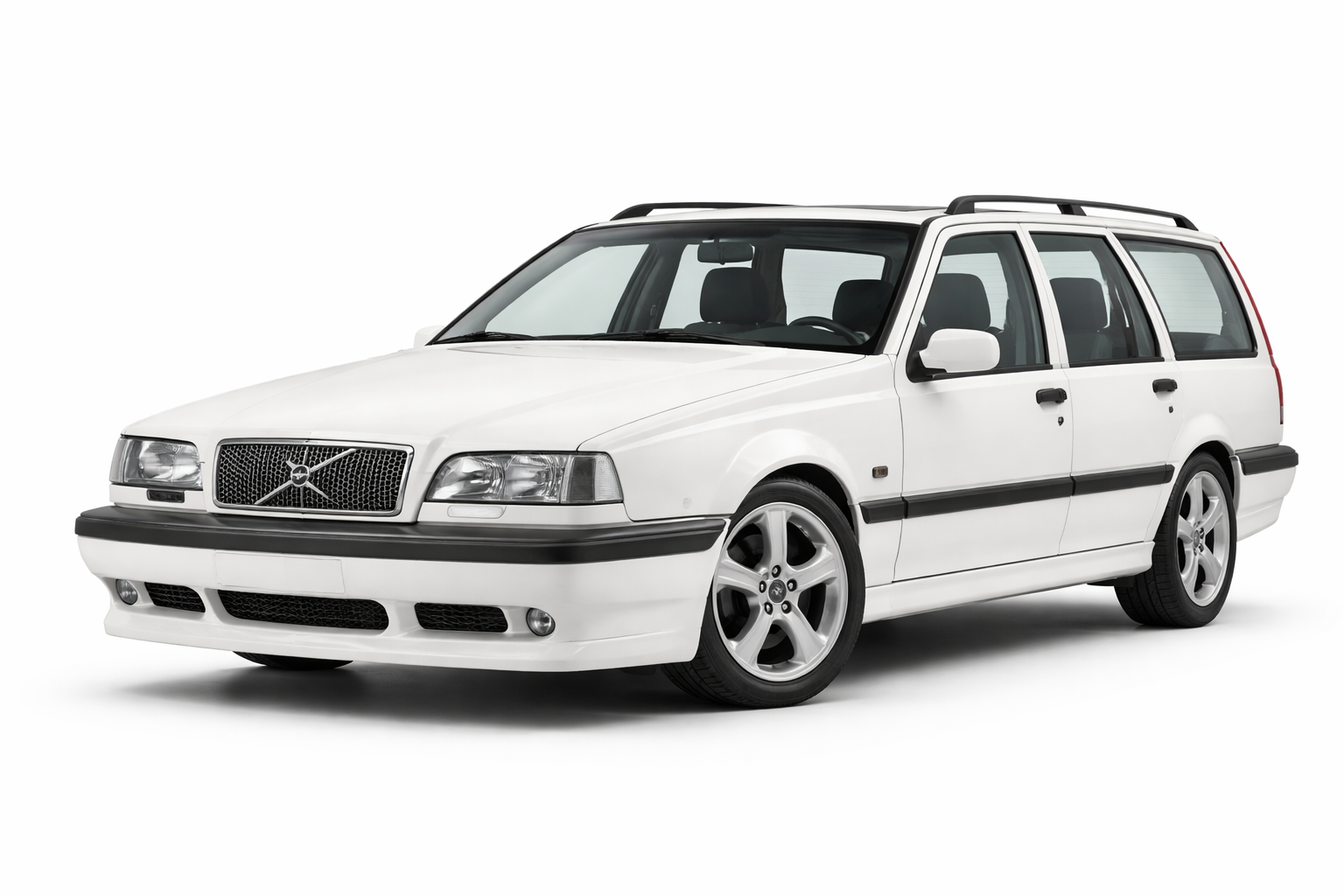
| Which classic Volvo models still have available parts? | Popular classics such as the Volvo 850 and Volvo 240 continue to have strong parts availability. |
Understanding Volvo Model Maintenance in 2026
Modern Volvo vehicles combine advanced electronics, turbocharged engines, and sophisticated safety systems. Proper maintenance ensures these systems perform reliably over long driving cycles.
We focus on supplying inspected replacement components that maintain factory performance while reducing the cost of ownership. This approach helps owners keep their vehicles safe and roadworthy.
Volvo maintenance usually involves monitoring several key systems.
- Engine timing components and sensors
- Brake pads and rotors
- Lighting assemblies
- Electrical modules and alternators
- Cooling and exhaust components
Regular inspection of these parts prevents larger mechanical problems later.


Volvo XC90 Maintenance Essentials for Long-Term Reliability
The XC90 remains Volvo’s flagship SUV and one of the most serviced models in South Africa. Its combination of luxury features and complex drivetrains requires consistent maintenance.
Common replacement areas include engine timing components, braking systems, and electrical modules. Regular inspection ensures the SUV maintains its safety and performance standards.
Owners should especially monitor:
- Brake pad wear and rotor condition
- Alternator output and battery health
- Engine timing components
- Lighting systems and sensors
Using properly tested spare parts helps maintain factory reliability while lowering service costs.


Engine Components and Camshafts for Volvo Performance
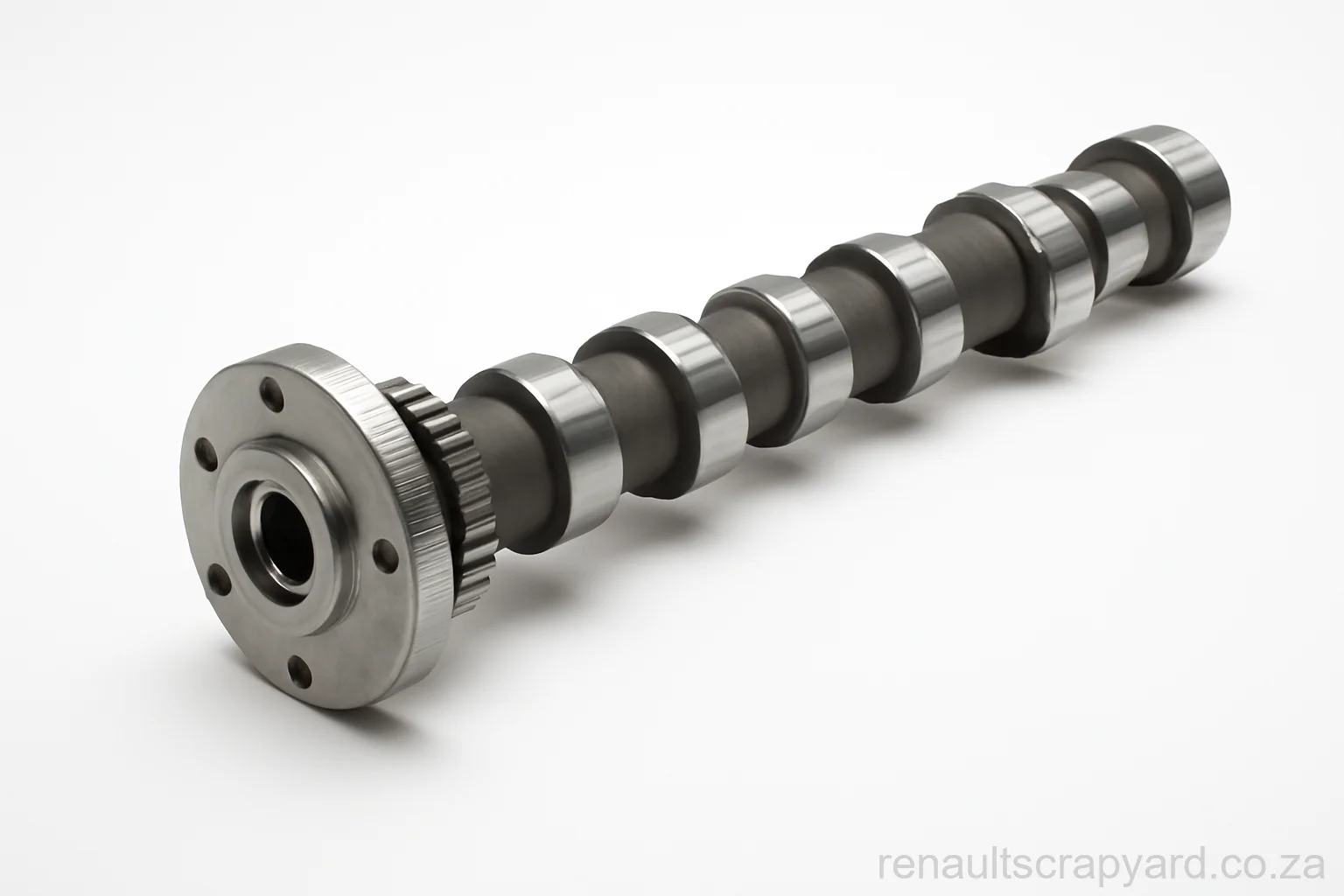
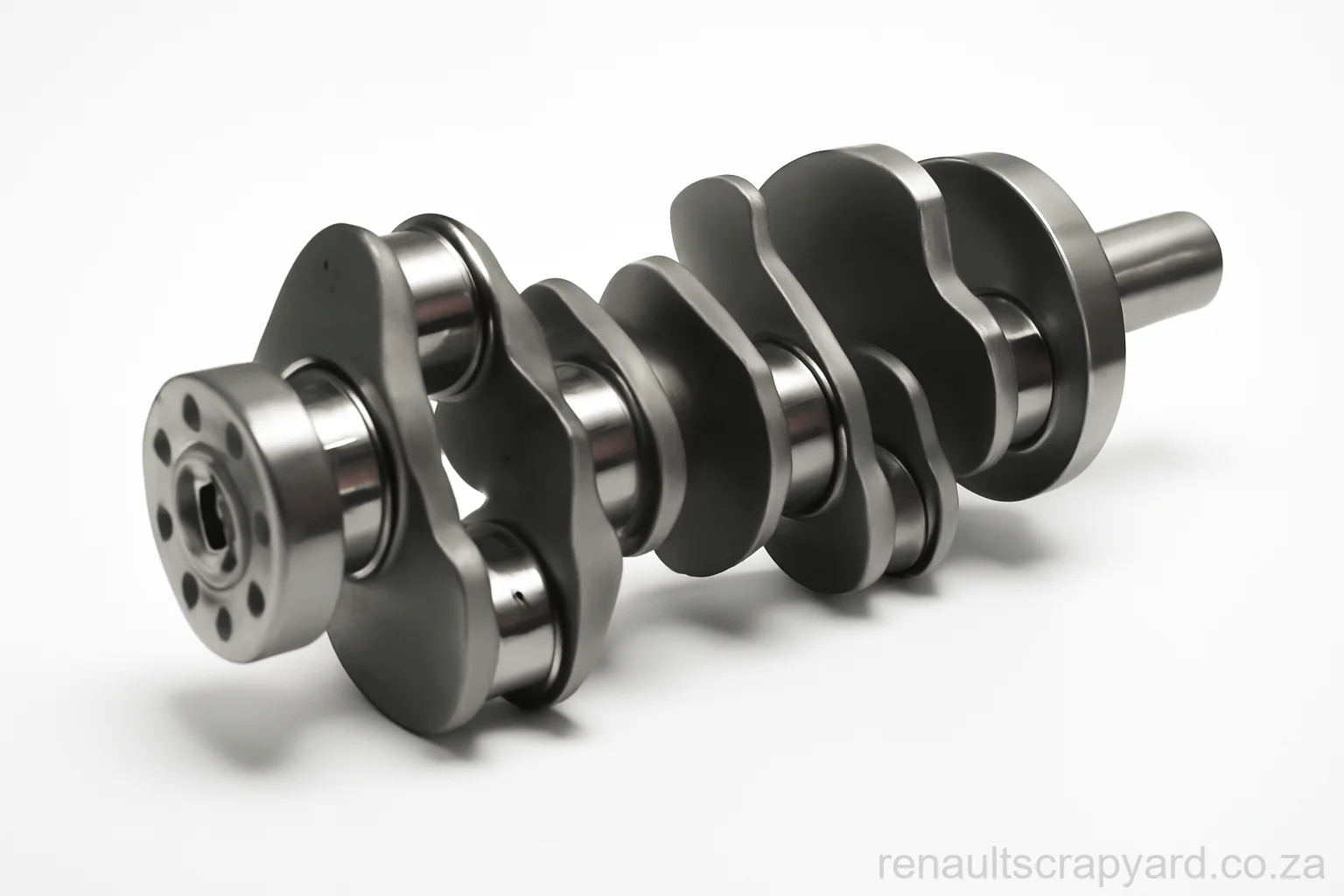
Engine components are among the most critical replacement parts for any Volvo model. Camshafts, crankshafts, and timing components directly influence engine efficiency and power delivery.
Volvo’s five‑cylinder and Drive‑E engines rely on accurate valve timing. A worn camshaft can cause misfires, reduced power, and poor fuel efficiency.
Typical XC90 camshaft replacement pricing ranges between R8,500 and R18,000, depending on engine variant and condition.
| Component | Purpose |
|---|---|
| Camshaft | Controls intake and exhaust valve timing |
| Crankshaft | Converts piston motion into rotational power |
| Timing components | Synchronize engine cycles for efficiency |
Brake System Maintenance for Volvo SUVs
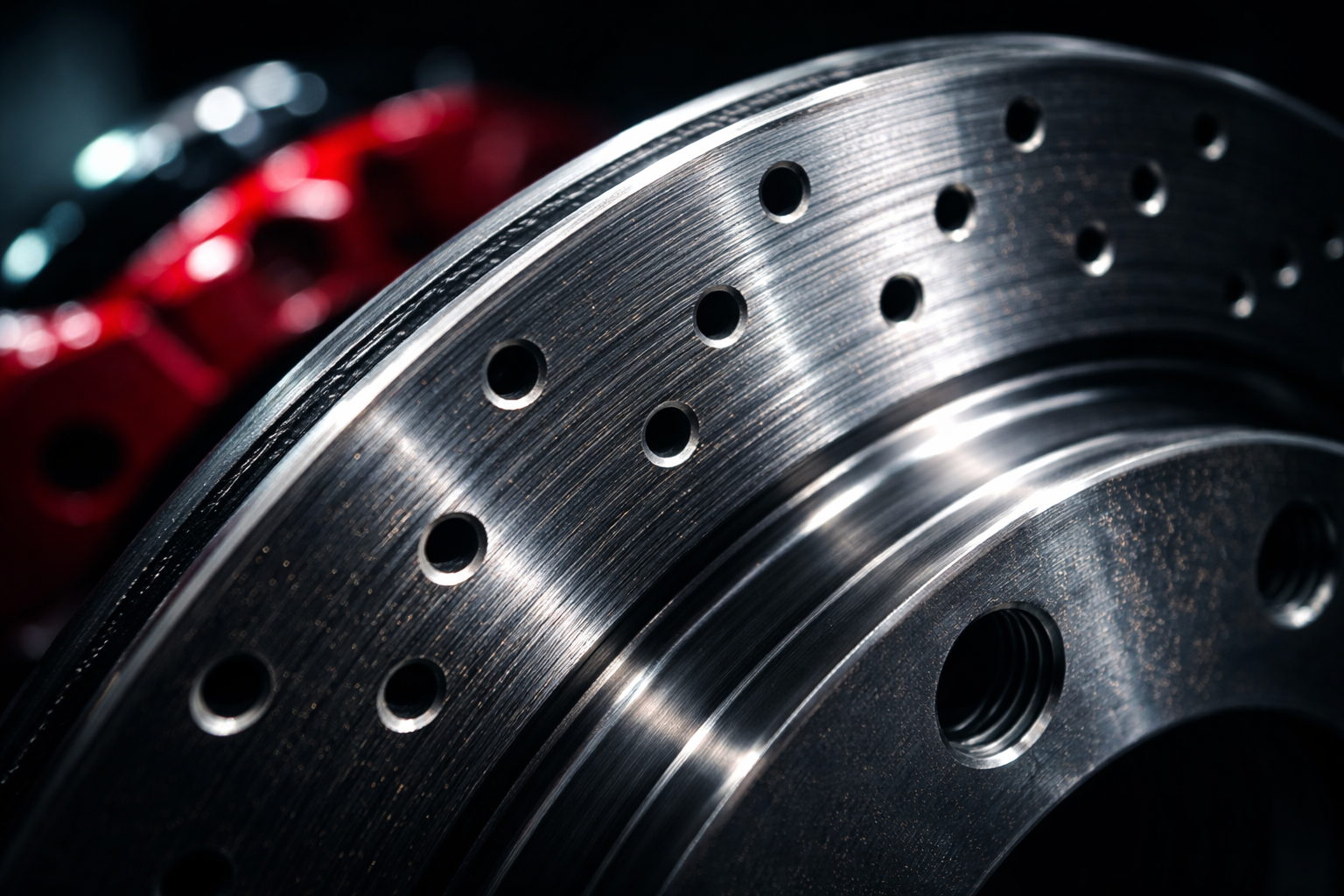
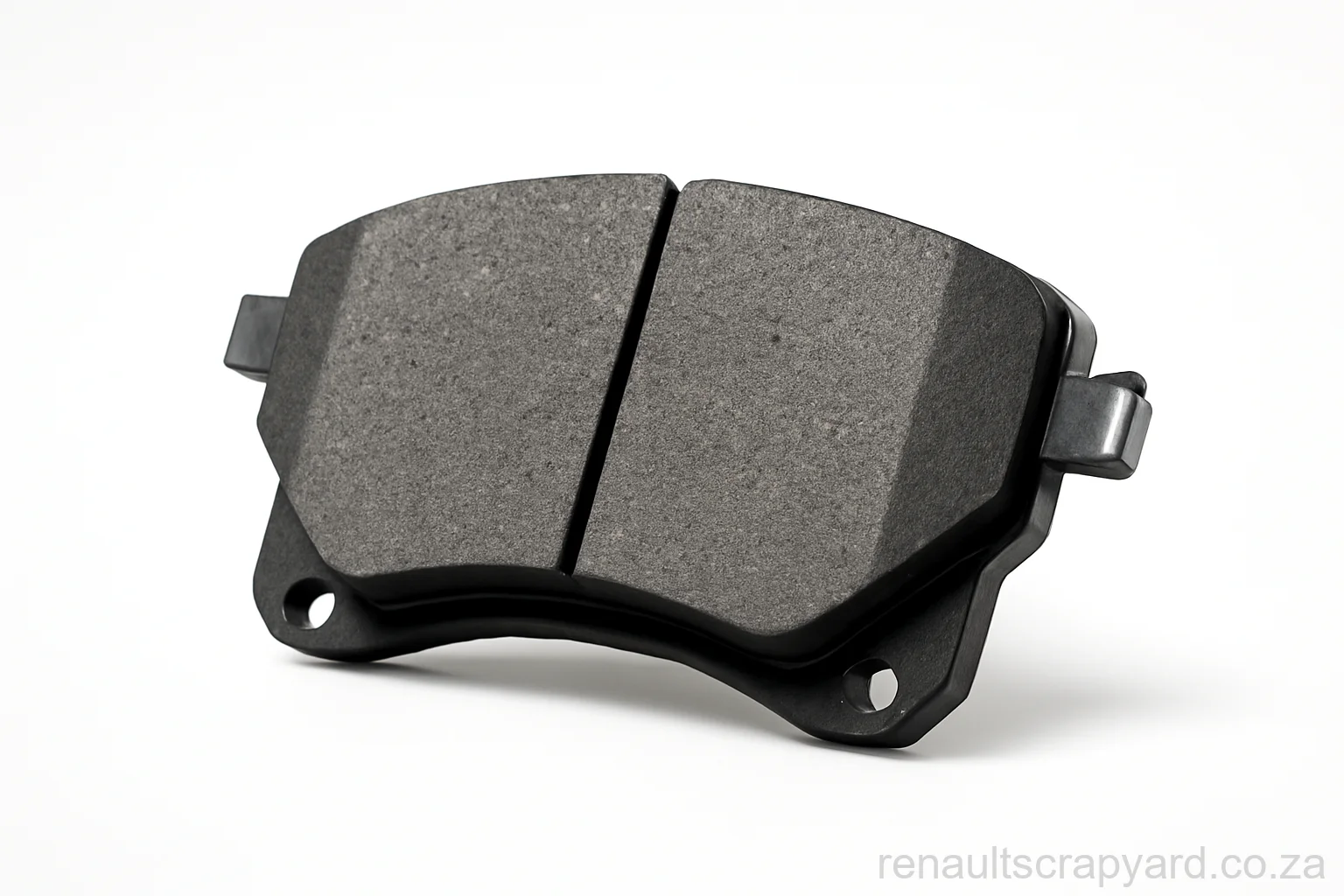
Braking components are among the most frequently replaced parts in Volvo maintenance schedules. The XC90’s size and weight mean brake components must be inspected regularly.
Signs of worn braking parts include squealing sounds, longer stopping distances, and steering vibration during braking.
Typical replacement cost ranges include:
- Brake Pads (XC90): R800 – R2,500
- Brake Rotors (XC90): R1,000 – R3,000
Replacing pads before they wear through prevents expensive rotor damage.
Electrical Components That Often Require Replacement
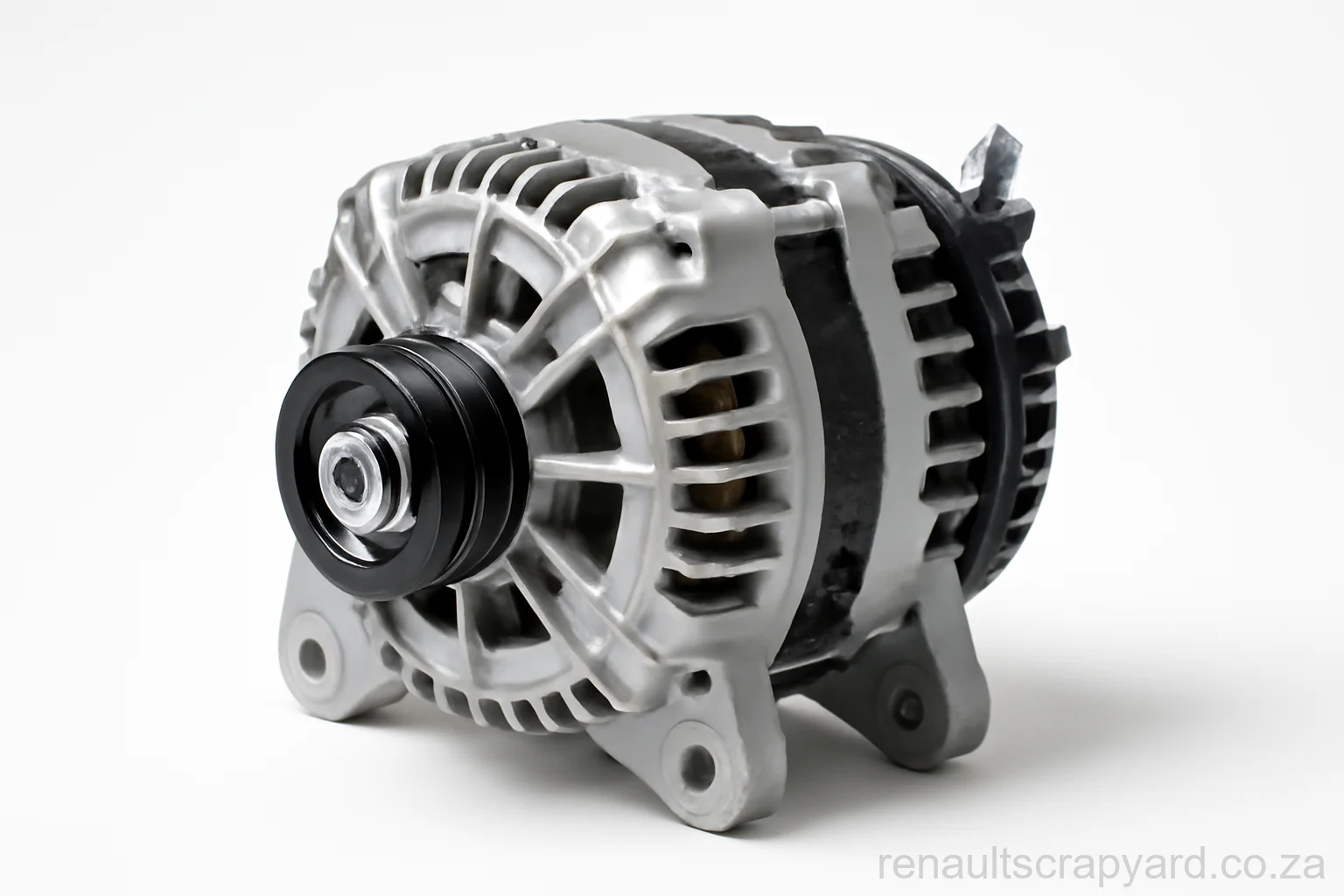
Electrical systems control everything from ignition to advanced driver assistance features. Faulty alternators or starters can quickly leave a vehicle stranded.
Quality‑tested electrical parts ensure reliable starting and stable charging performance.
Typical replacement pricing includes:
- Alternator (XC90): R2,200 – R4,500
- Starter Motor (XC90): R1,800 – R3,200
Regular electrical diagnostics during servicing can prevent unexpected failures.

A quick visual guide to the five parts every Volvo owner should check for XC90 maintenance and replacements.
Volvo Lighting Systems and Replacement Assemblies
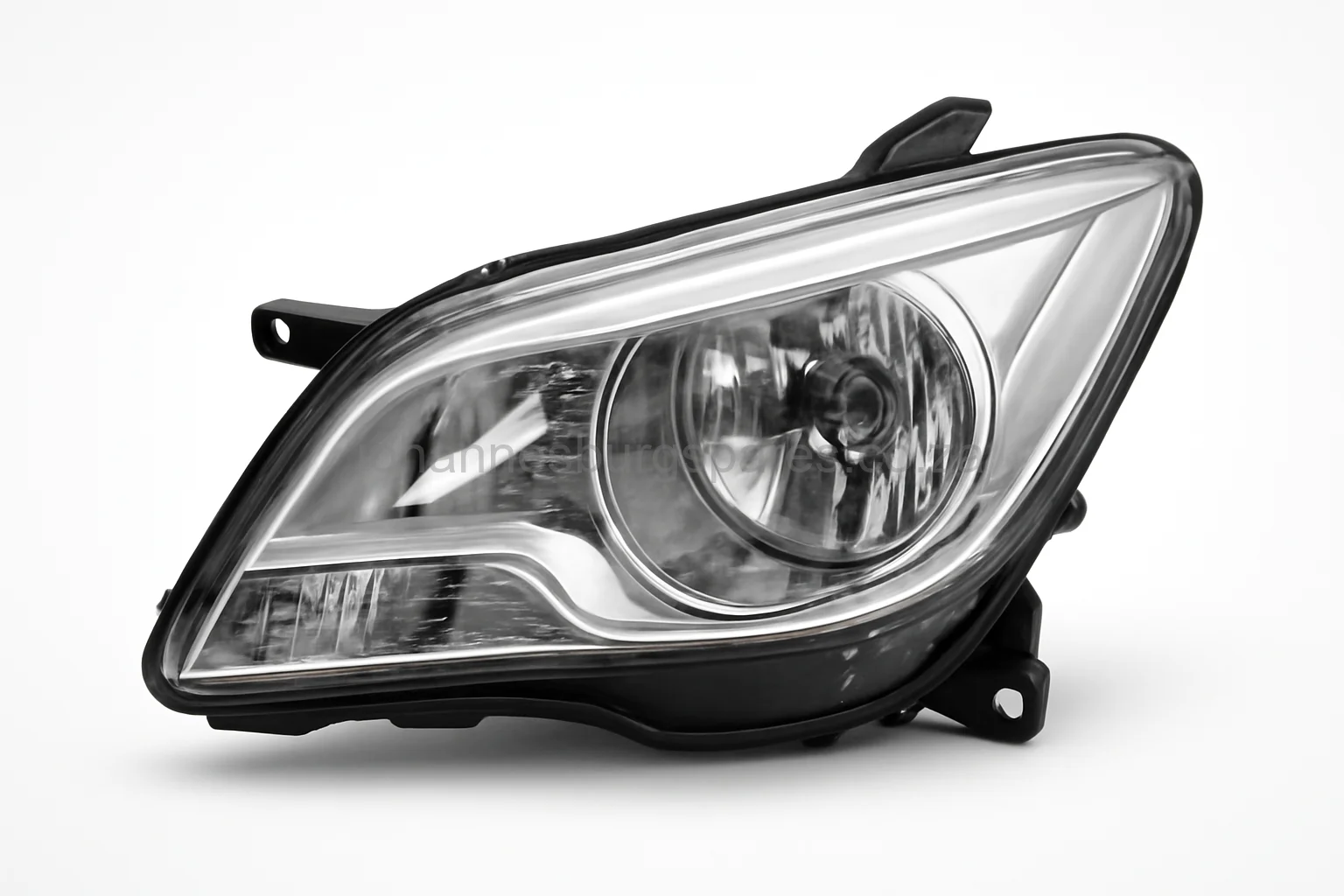
Lighting systems play a major role in Volvo safety. Headlights, taillights, and indicators must function correctly for visibility and legal compliance.
Modern Volvo vehicles use halogen, LED, and xenon lighting systems depending on the model year.
Typical replacement ranges include:
- Headlight Assembly: R2,000 – R12,000
- Taillight Assembly: R1,500 – R6,000
Replacing damaged assemblies quickly maintains safe nighttime driving conditions.
XC60 Engine Maintenance and Replacement Parts
The XC60 remains one of the most popular Volvo SUVs thanks to its balanced size and performance. Engine maintenance ensures the vehicle maintains fuel efficiency and reliability.
Camshafts and timing components remain key service items as engines accumulate mileage.
We recommend routine checks for:
- Camshaft wear
- Oil system integrity
- Timing chain performance
- Sensor accuracy
These inspections help avoid more serious mechanical issues later.

XC60 Brake Maintenance and Replacement Schedule
The braking system on the XC60 experiences significant wear during city driving and long-distance travel. Pads and discs must be inspected during each major service interval.
Typical brake pad replacement for the XC60 ranges from R1,000 to R2,800 depending on the variant and condition.
Drivers should watch for warning signs such as:
- Grinding or squealing noises
- Brake pedal vibration
- Longer stopping distances
Replacing worn pads early prevents rotor damage and keeps braking performance consistent.

Maintenance for Classic Volvo Models
Classic Volvo vehicles remain popular among enthusiasts because of their strong build quality and simple engineering. Many models from the 1980s and 1990s continue to operate reliably with proper maintenance.
These vehicles typically require replacement parts for suspension, brakes, and aging electrical components.
Owners of classic Volvos often maintain them by replacing:
- Brake components
- Cooling system parts
- Interior trim
- Electrical switches and sensors
Keeping genuine or compatible components installed preserves the character and reliability of these vehicles.
Choosing Quality Replacement Parts for Volvo Vehicles
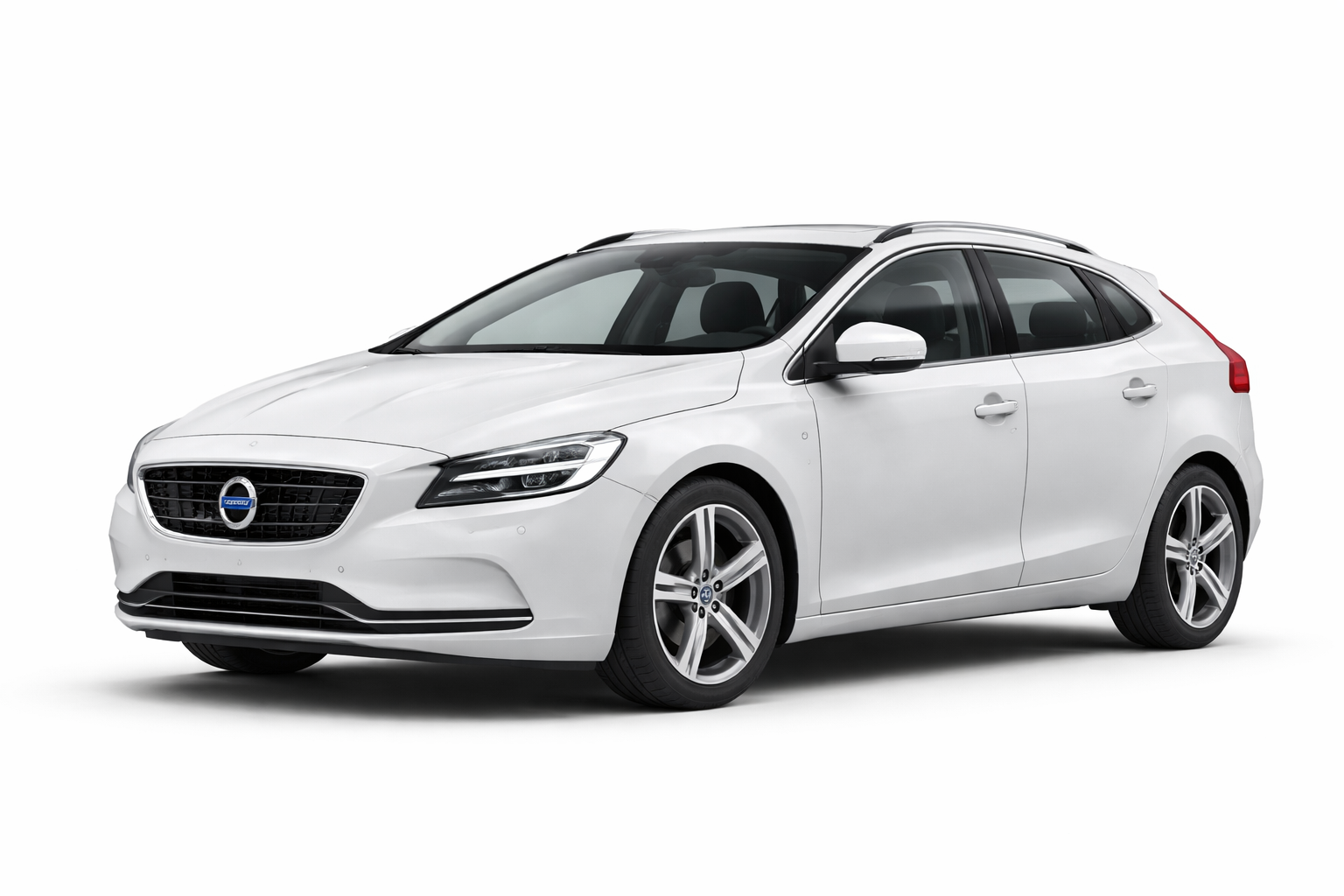
Using quality replacement parts is essential for maintaining Volvo reliability and safety standards. Poor-quality components can lead to premature failures or unsafe driving conditions.
We focus on tested components that meet Volvo performance expectations and include warranty coverage for peace of mind.
Reliable parts reduce long-term repair costs and help maintain the safety systems Volvo vehicles are known for.
When choosing replacement parts, consider:
- Compatibility with your exact Volvo model
- Warranty coverage
- Quality inspection before installation
- Supplier reputation and delivery reliability
Conclusion
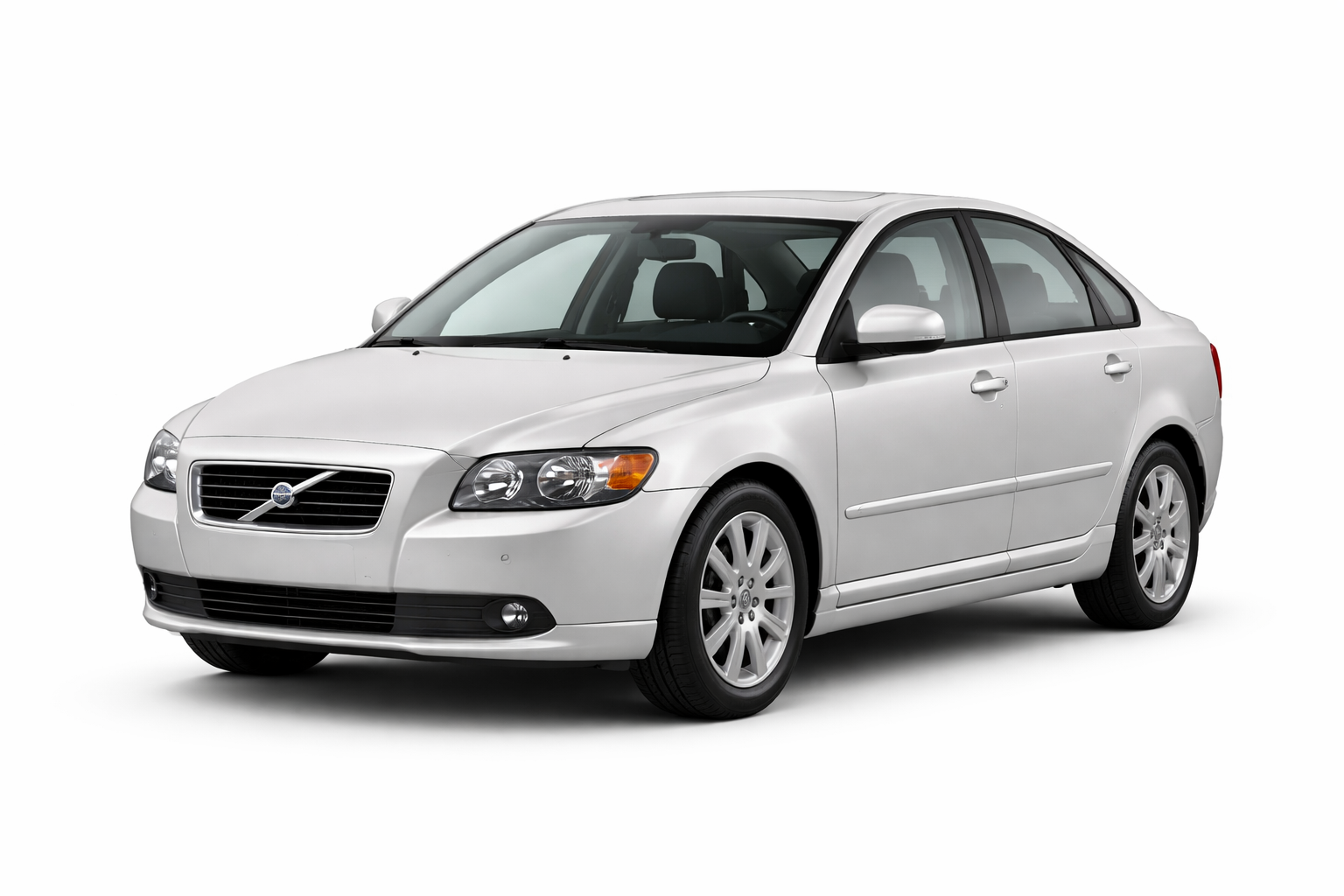
Volvo vehicles are engineered for longevity, but regular maintenance and timely replacement parts remain essential for safe and reliable operation. Whether maintaining a modern XC90, a practical XC60, or a classic Volvo model, using inspected components helps preserve performance and safety.
By monitoring key systems such as brakes, engine timing components, electrical modules, and lighting assemblies, owners can prevent costly breakdowns and extend vehicle life. With dependable spare parts and consistent servicing, Volvo drivers in 2026 can continue enjoying the durability and safety that define the brand.