



Volvo 850 Electrical Parts
Volvo electrical components include alternators, starter motors, battery management systems, sensors, wiring harnesses, and control modules that power everything from the engine management system to safety features like City Safety and BLIS. Models like the XC90 and S60 use sophisticated electrical architectures with multiple ECUs controlling engine performance, transmission, and infotainment systems. South African conditions—extreme heat in summer, coastal humidity in Durban, and altitude variations in Gauteng—place additional strain on electrical systems, making quality replacement parts essential for reliability.
Common Signs You Need New Electrical Parts
- Dashboard warning lights illuminate randomly or stay on permanently, particularly the battery or check engine light on XC60 and V70 models.
- Difficulty starting the engine, especially in cold mornings or after the car has been parked for several hours, common with older XC90 D5 models.
- Intermittent electrical failures such as power windows, central locking, or infotainment system malfunctions in S60 and V40 models.
- Dimming headlights or interior lights when idling, indicating alternator issues particularly in high-mileage S80 and V70 vehicles.
- Battery drains overnight or loses charge quickly, often caused by faulty modules in newer XC60 T8 and S90 models.
- Erratic dashboard gauge readings or complete instrument cluster failure, a known issue in 2000s-era S60 and V70 models.
Maintenance Tips
Test battery health and clean terminals regularly, especially in extreme temperatures
Have the alternator output checked if you notice dimming lights or slow cranking
Address any intermittent electrical faults early, as they can indicate wiring corrosion or failing modules
Electrical Parts for Volvo 850
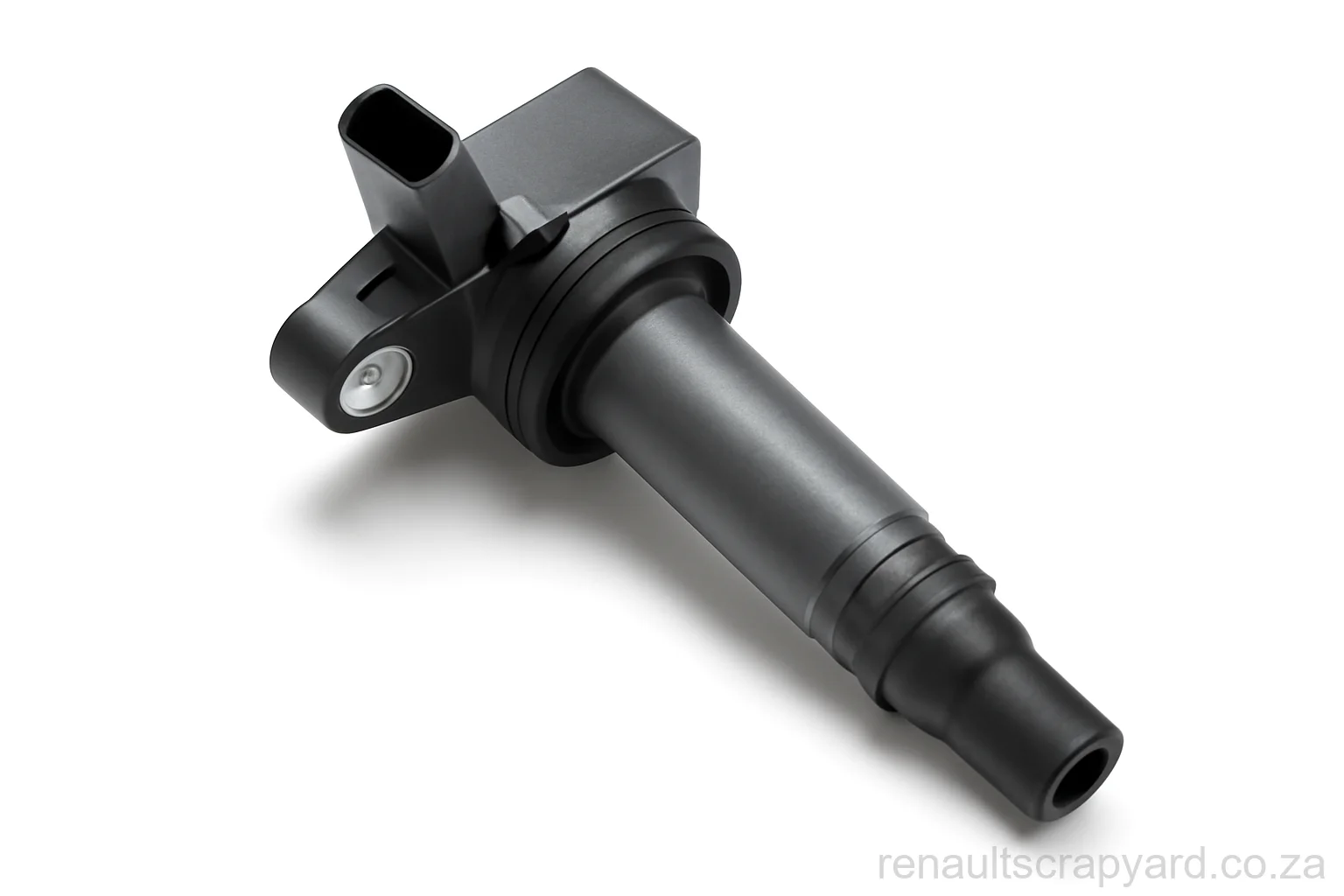
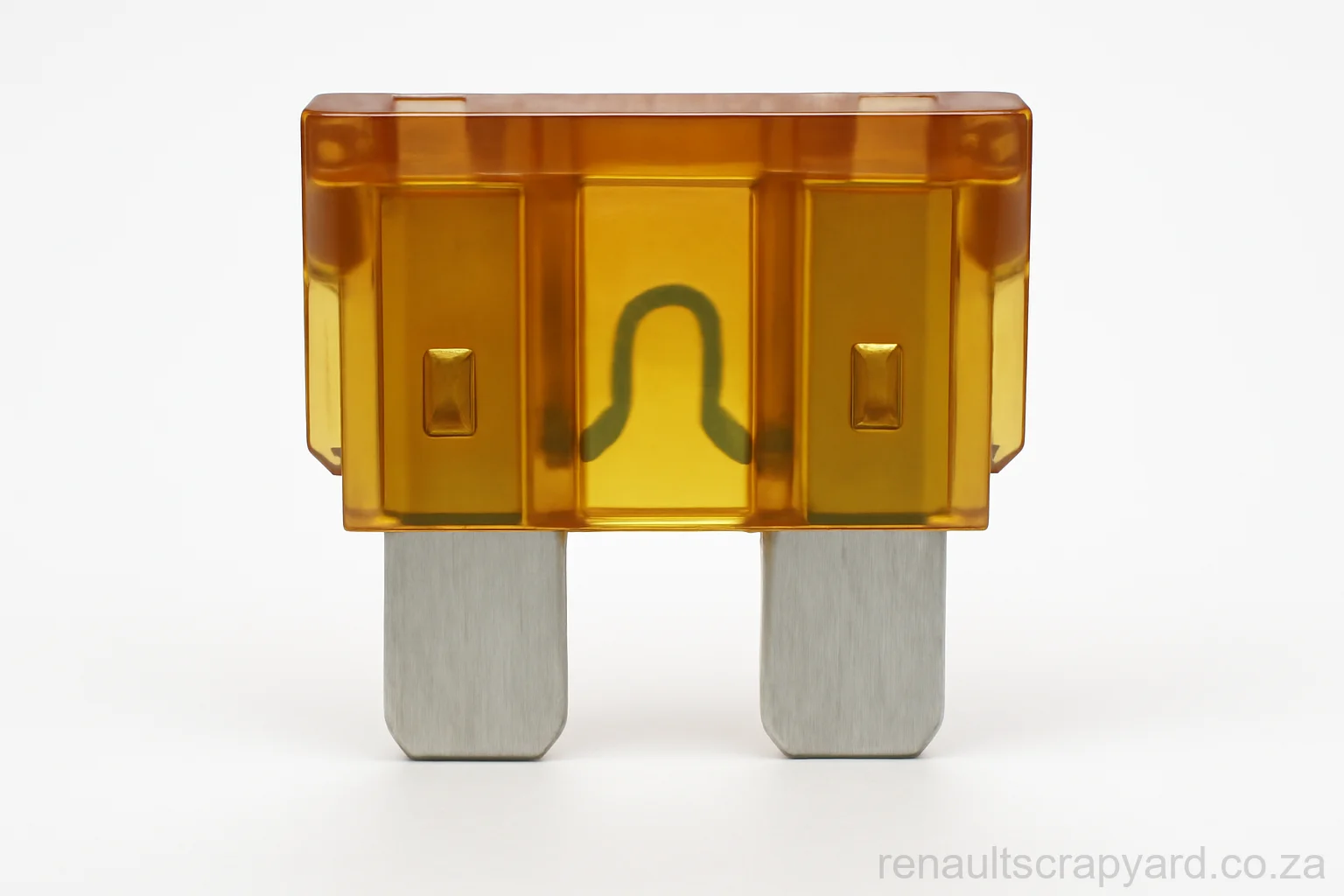
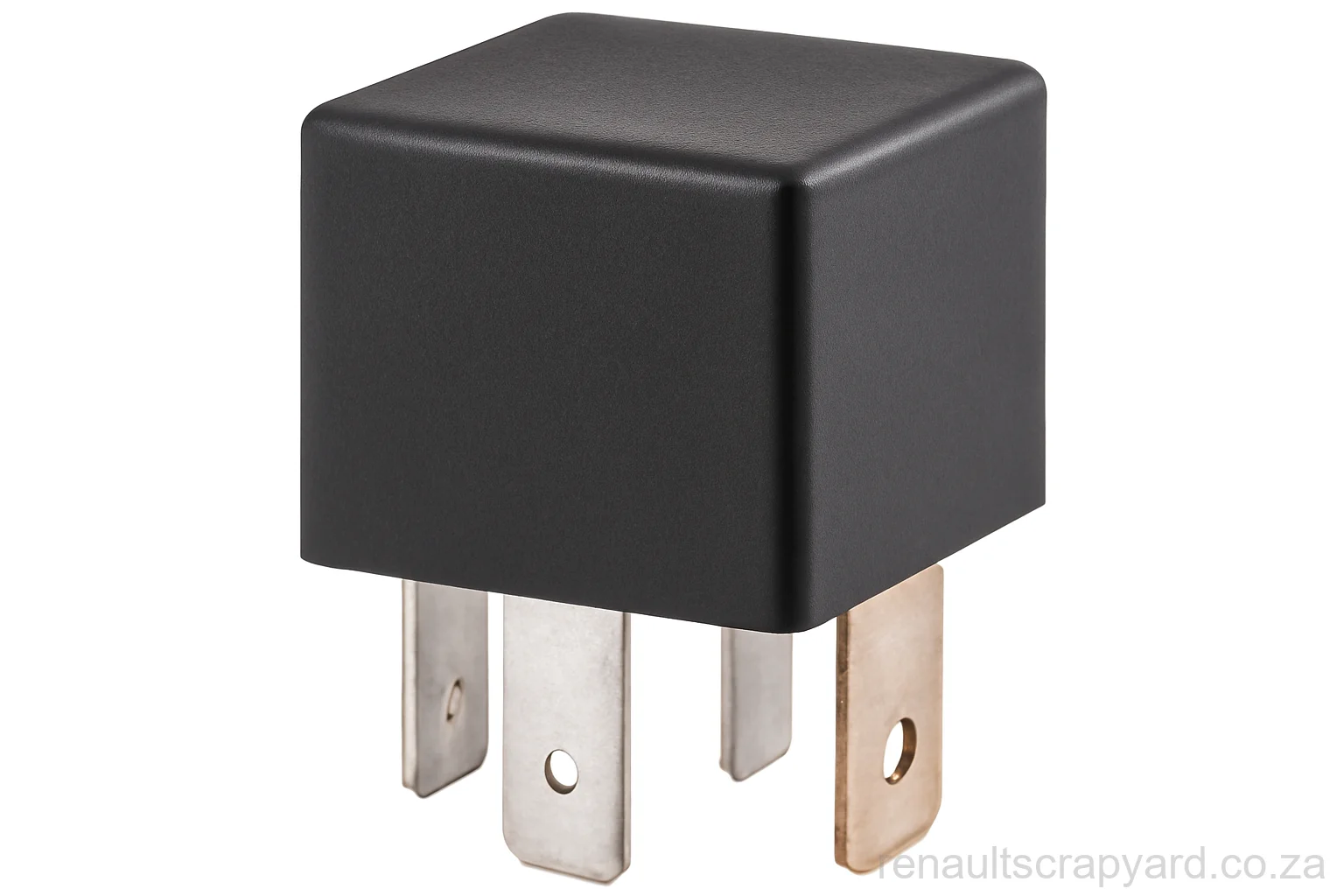
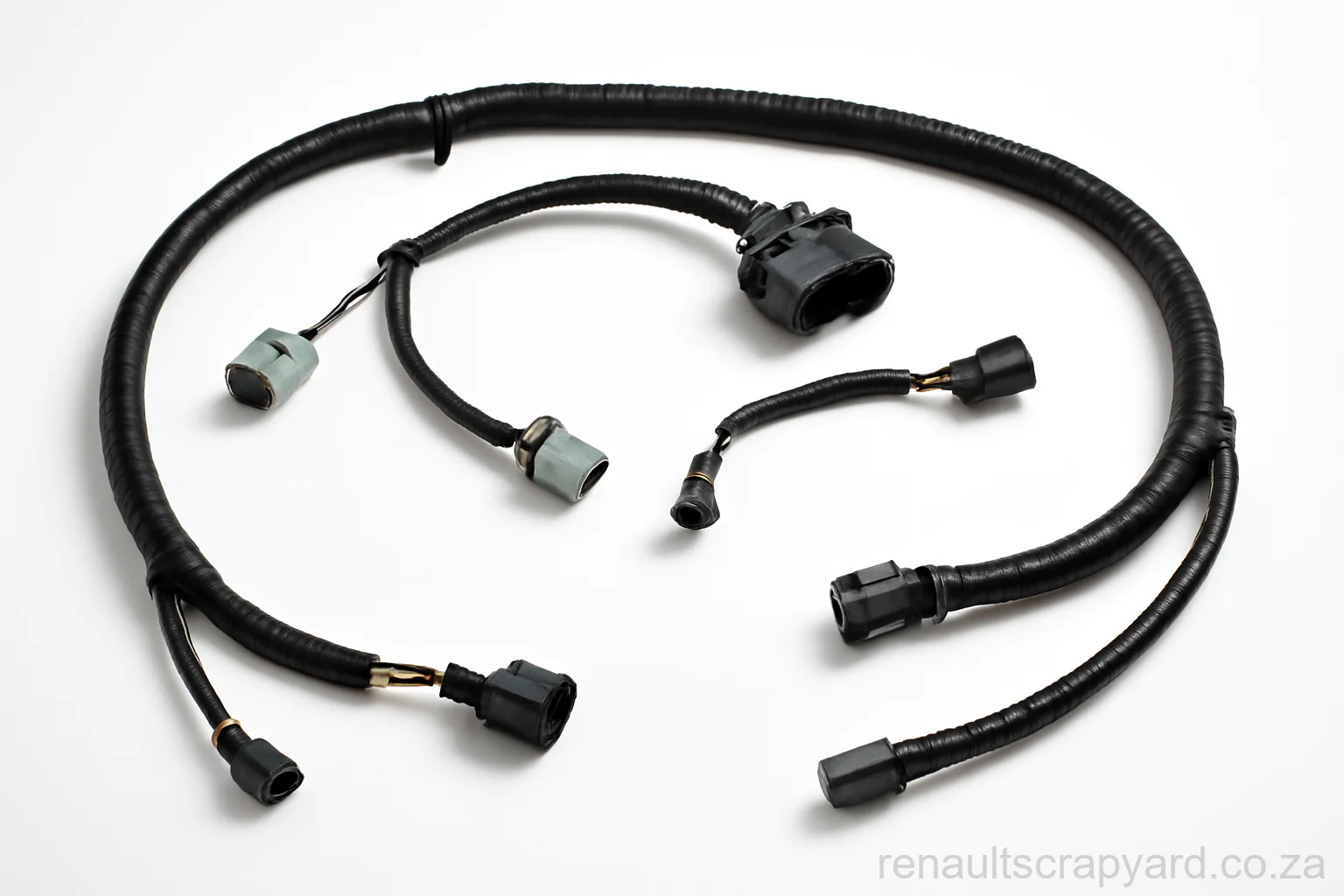
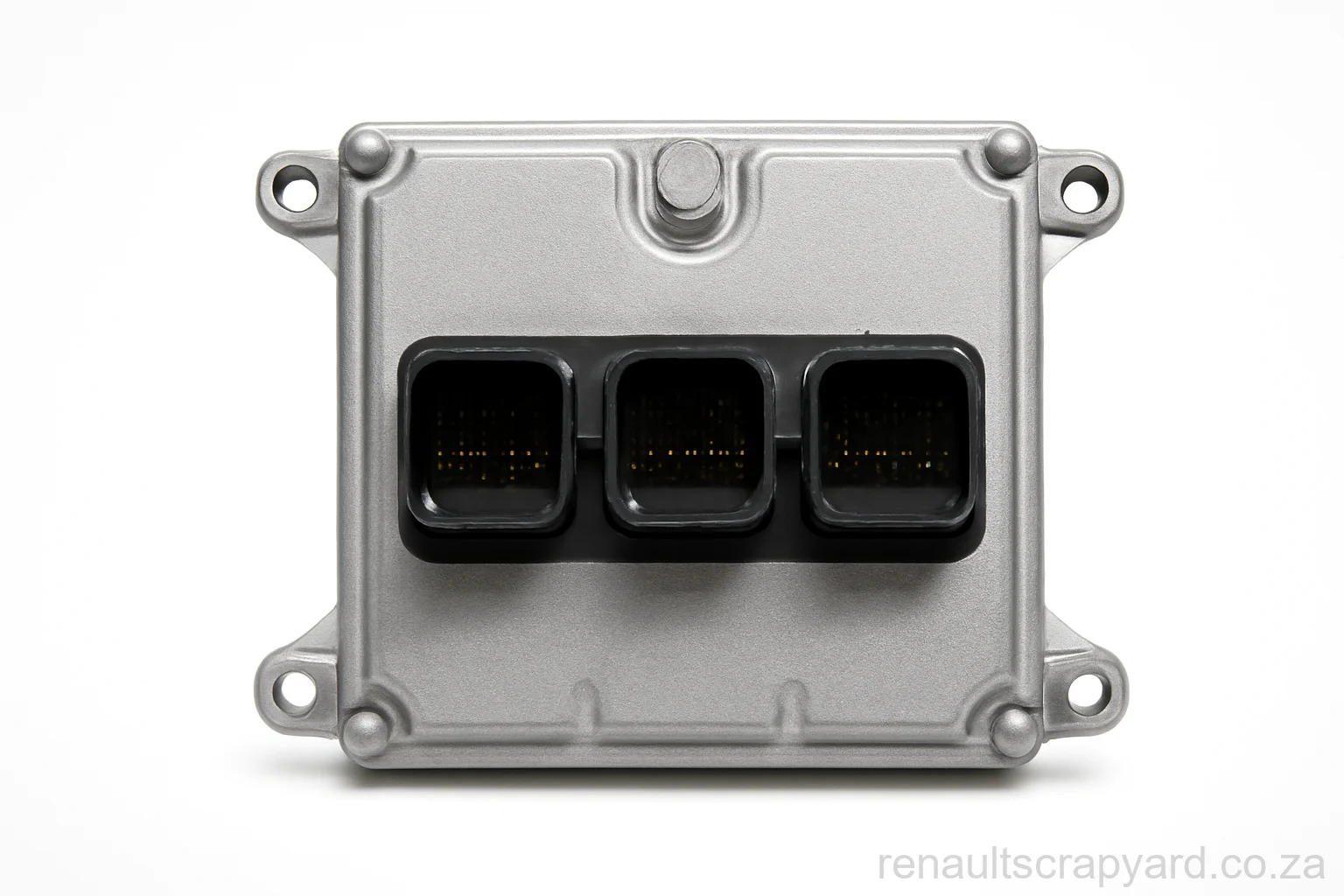
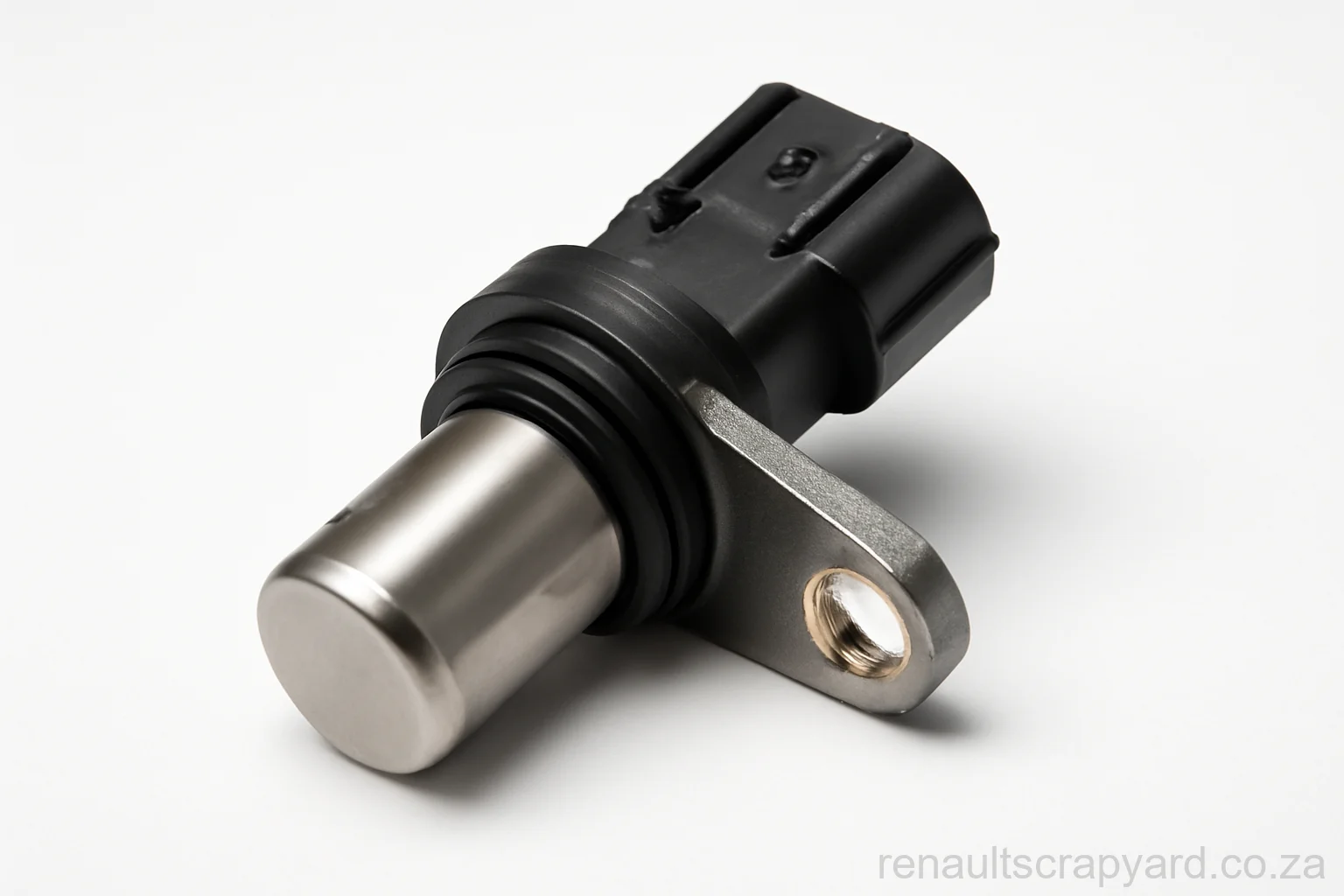
About Volvo 850 Electrical Parts
Technical Overview
The automotive electrical system powers all electronic components and is built around a 12-volt battery, alternator, and complex wiring harness. Modern vehicles contain dozens of electronic control units (ECUs) managing engine operation, transmission, climate control, infotainment, and safety systems. The electrical architecture also encompasses the starter motor, fuse boxes, relays, and increasingly sophisticated driver-assistance electronics.
Volvo vehicles feature a sophisticated CAN-bus electrical architecture with multiple networked ECUs. The Central Electronic Module (CEM) is a known service item on older models (S60, V70, XC90) and may require replacement or repair if electrical gremlins appear.
Key Components
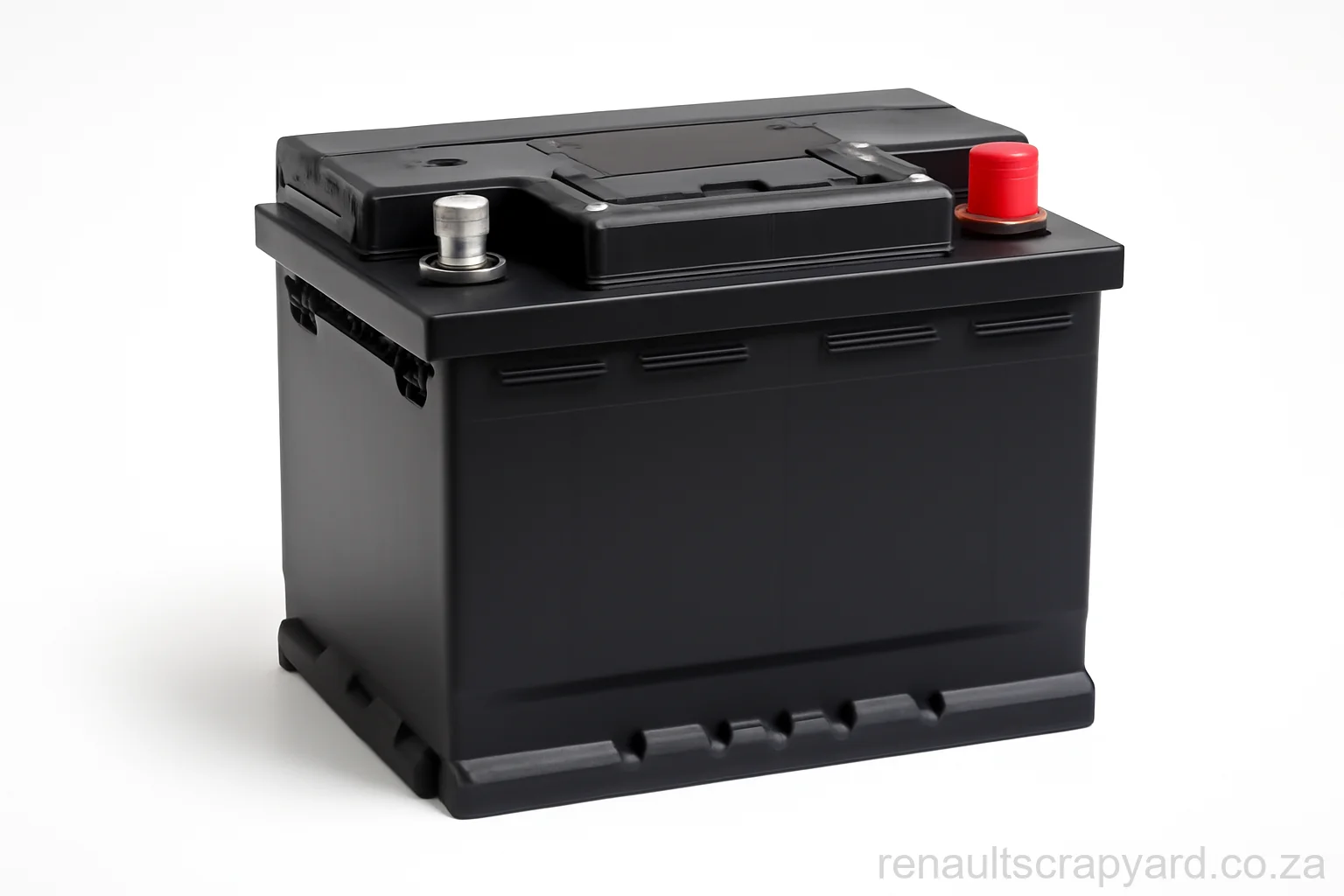
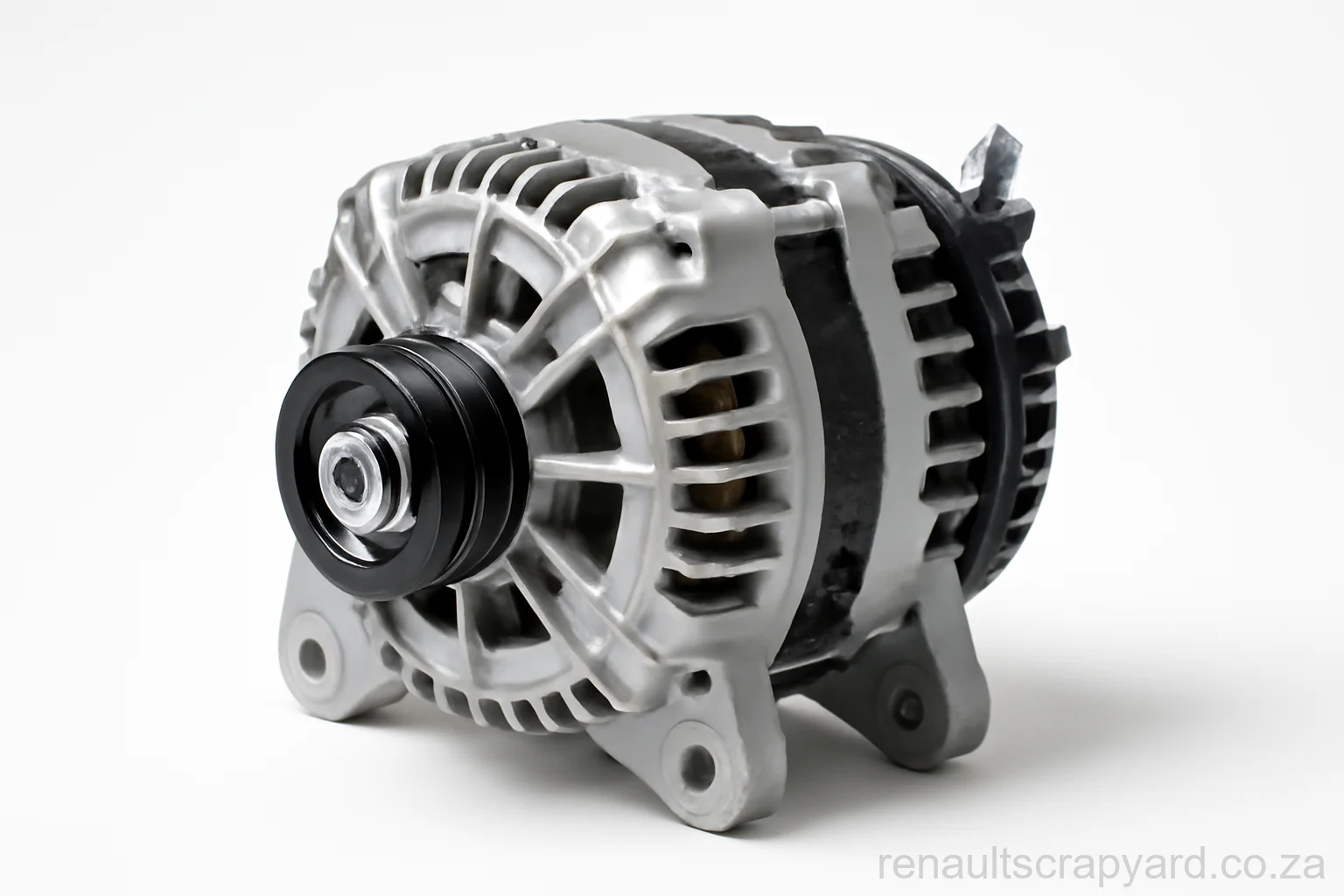
- Battery and alternator (charging system)
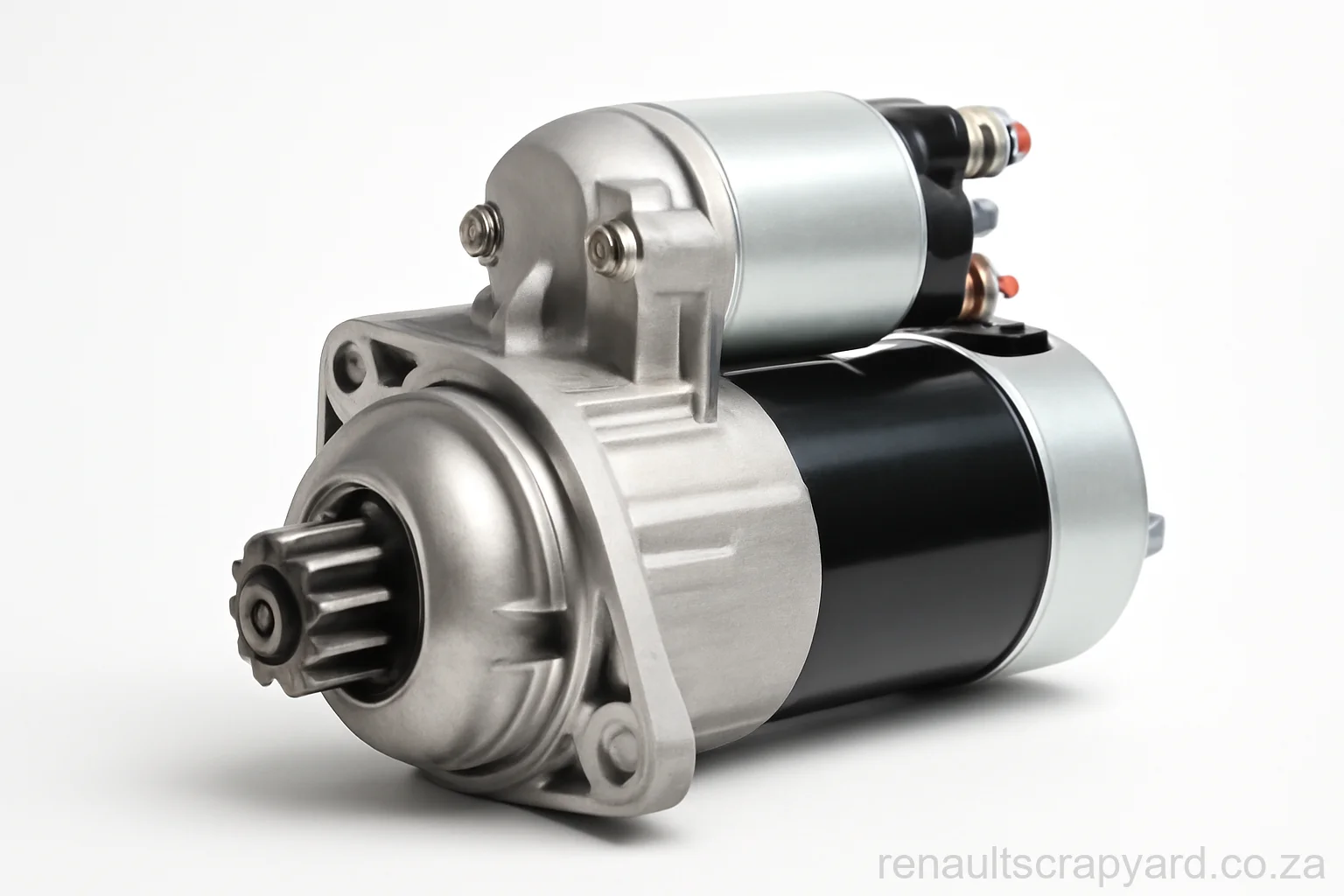
- Starter motor and ignition switch
- Wiring harness, fuse boxes, and relays
- Electronic control units (ECUs and body control modules)
- Window motors, central locking actuators, and electric seat motors
Are Volvo electrical parts readily available in South Africa?
Yes, most common electrical components for popular models like the XC90, XC60, S60, and V70 are available through independent suppliers in Durban, Johannesburg, and Cape Town. Alternators, starter motors, and sensors are typically in stock, while specialized modules for newer T8 hybrid or B5 mild-hybrid systems may require ordering. Expect R1,800–R4,500 for alternators and R1,200–R3,200 for starter motors depending on the model.
What are the most common electrical problems with Volvo vehicles?
Alternator failure is common on high-mileage T5 and D5 engines (XC90, S60, V70), particularly after 150,000 km. Older models (S80, V70 from 2000–2010) frequently experience issues with the Central Electronic Module (CEM) causing electrical gremlins. Battery drain problems often affect XC60 and S60 models due to faulty control modules staying active after the car is locked.
How much does it cost to replace a Volvo alternator in South Africa?
Alternators for common models range from R2,200–R4,500 for the part, with T5 and D5 engine alternators (XC90, XC60, S60, V70) being most affordable. Newer T6 twin-charged or T8 hybrid systems can cost R4,000–R6,500. Labour adds another R800–R1,500 depending on accessibility and whether you're in Durban, Johannesburg, or Cape Town.
Can I use aftermarket electrical parts on my Volvo?
Quality aftermarket alternators, starter motors, and sensors work well on most Volvo models and offer significant savings over genuine parts. However, critical modules like the CEM, ECU, or hybrid battery management systems (T8 models) should ideally be OEM or known-good used parts to avoid compatibility issues. Reputable suppliers test used electrical components before sale to ensure reliability.
Common Questions About Electrical Parts
Are Volvo electrical parts readily available in South Africa?
Yes, most common electrical components for popular models like the XC90, XC60, S60, and V70 are available through independent suppliers in Durban, Johannesburg, and Cape Town. Alternators, starter motors, and sensors are typically in stock, while specialized modules for newer T8 hybrid or B5 mild-hybrid systems may require ordering. Expect R1,800–R4,500 for alternators and R1,200–R3,200 for starter motors depending on the model.
What are the most common electrical problems with Volvo vehicles?
Alternator failure is common on high-mileage T5 and D5 engines (XC90, S60, V70), particularly after 150,000 km. Older models (S80, V70 from 2000–2010) frequently experience issues with the Central Electronic Module (CEM) causing electrical gremlins. Battery drain problems often affect XC60 and S60 models due to faulty control modules staying active after the car is locked.
How much does it cost to replace a Volvo alternator in South Africa?
Alternators for common models range from R2,200–R4,500 for the part, with T5 and D5 engine alternators (XC90, XC60, S60, V70) being most affordable. Newer T6 twin-charged or T8 hybrid systems can cost R4,000–R6,500. Labour adds another R800–R1,500 depending on accessibility and whether you're in Durban, Johannesburg, or Cape Town.
Can I use aftermarket electrical parts on my Volvo?
Quality aftermarket alternators, starter motors, and sensors work well on most Volvo models and offer significant savings over genuine parts. However, critical modules like the CEM, ECU, or hybrid battery management systems (T8 models) should ideally be OEM or known-good used parts to avoid compatibility issues. Reputable suppliers test used electrical components before sale to ensure reliability.
Why does my Volvo XC90 battery keep dying?
Common causes include faulty alternators (especially on D5 diesel models), parasitic drain from modules not entering sleep mode, or battery age—batteries typically last 3–5 years in South African heat. First-generation XC90 (2002–2014) models are known for CEM issues causing constant power draw. Have the charging system and module activity tested before replacing the battery, which costs R1,800–R3,200 for quality replacements.
Helpful Resources
Official Volvo South Africa website with model specifications and service information
Vehicle maintenance tips and roadside assistance resources for South African drivers
Technical overview of automotive electrical system components and operation

Need Volvo 850 Electrical Parts?
Our specialists will source the exact part you need with fast, nationwide delivery.