





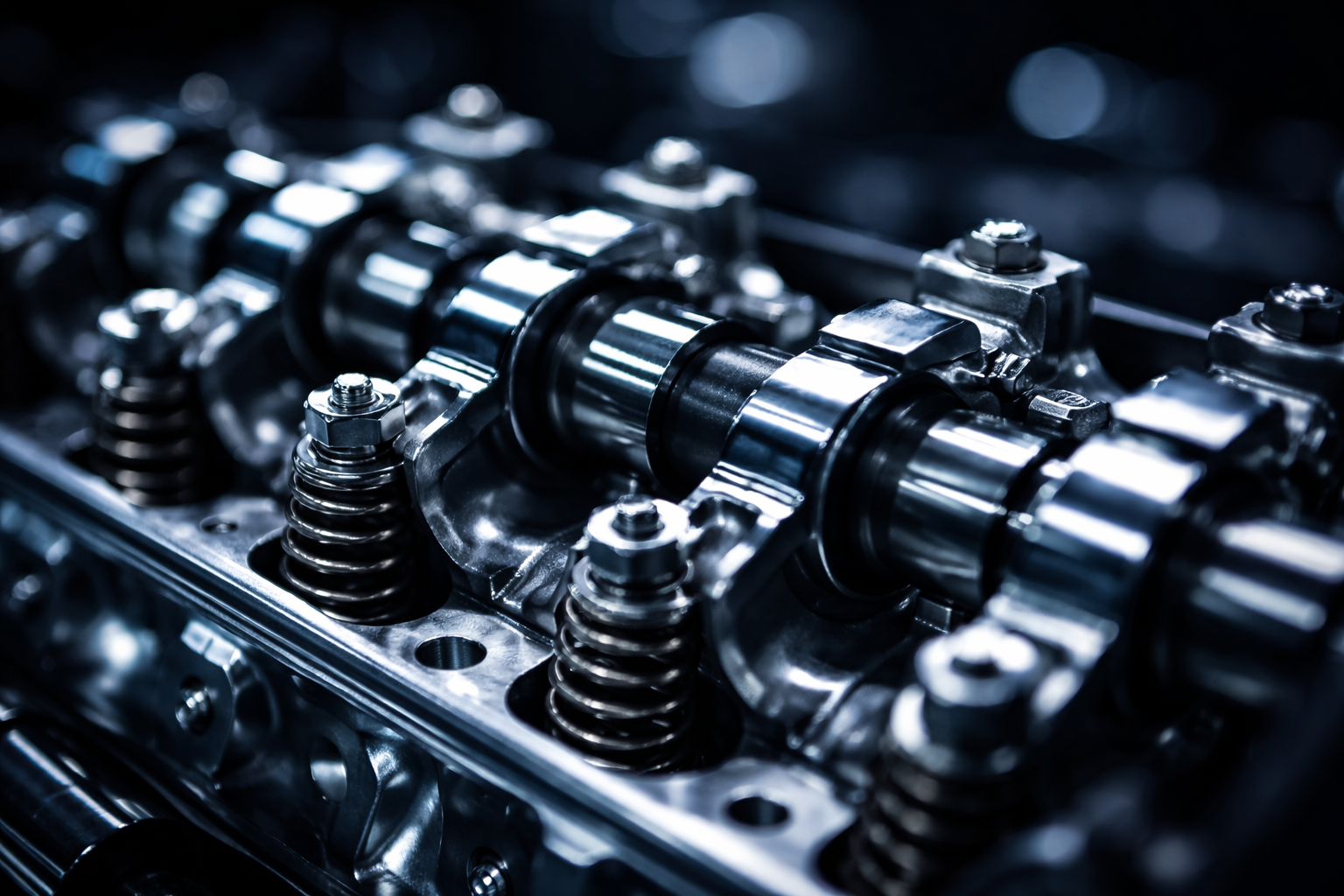
Volvo Valves Parts
Valves are critical engine components that control the intake of air/fuel mixture and exhaust of combustion gases in your Volvo's cylinders. In South African Volvos like the XC90 D5, S60 T5, and V70 2.4L models, common valve-related parts include intake valves, exhaust valves, valve stem seals, valve guides, and valve springs. Proper valve operation is essential for compression, fuel efficiency, and preventing oil consumption—especially important in older high-mileage Volvos common on SA roads.
Common Signs You Need New Valves Parts
- Blue smoke from the exhaust on startup or deceleration, indicating worn valve stem seals allowing oil to leak into combustion chambers
- Loss of engine power and poor acceleration, especially noticeable in turbocharged T5 or D5 models when valves aren't sealing properly
- Misfiring or rough idling that doesn't resolve with spark plug replacement, suggesting burnt or damaged valves
- Unusual ticking or tapping noises from the engine, particularly on cold starts in older Volvo 5-cylinder engines
- Excessive oil consumption requiring frequent top-ups between services, common with failed valve stem seals in high-mileage S60 and V70 models
- Poor fuel economy and black exhaust smoke indicating incomplete combustion from stuck or poorly seating valves
Maintenance Tips
Regular maintenance helps extend the life of your Volvo valves components.
Follow the manufacturer-recommended oil change intervals using the correct oil specification for your Volvo engine
Replace the timing belt or chain at the specified service interval to prevent catastrophic engine damage
Address any unusual engine noises or warning lights promptly to avoid further damage
About Volvo Valves Parts
About Volvo Valves Parts
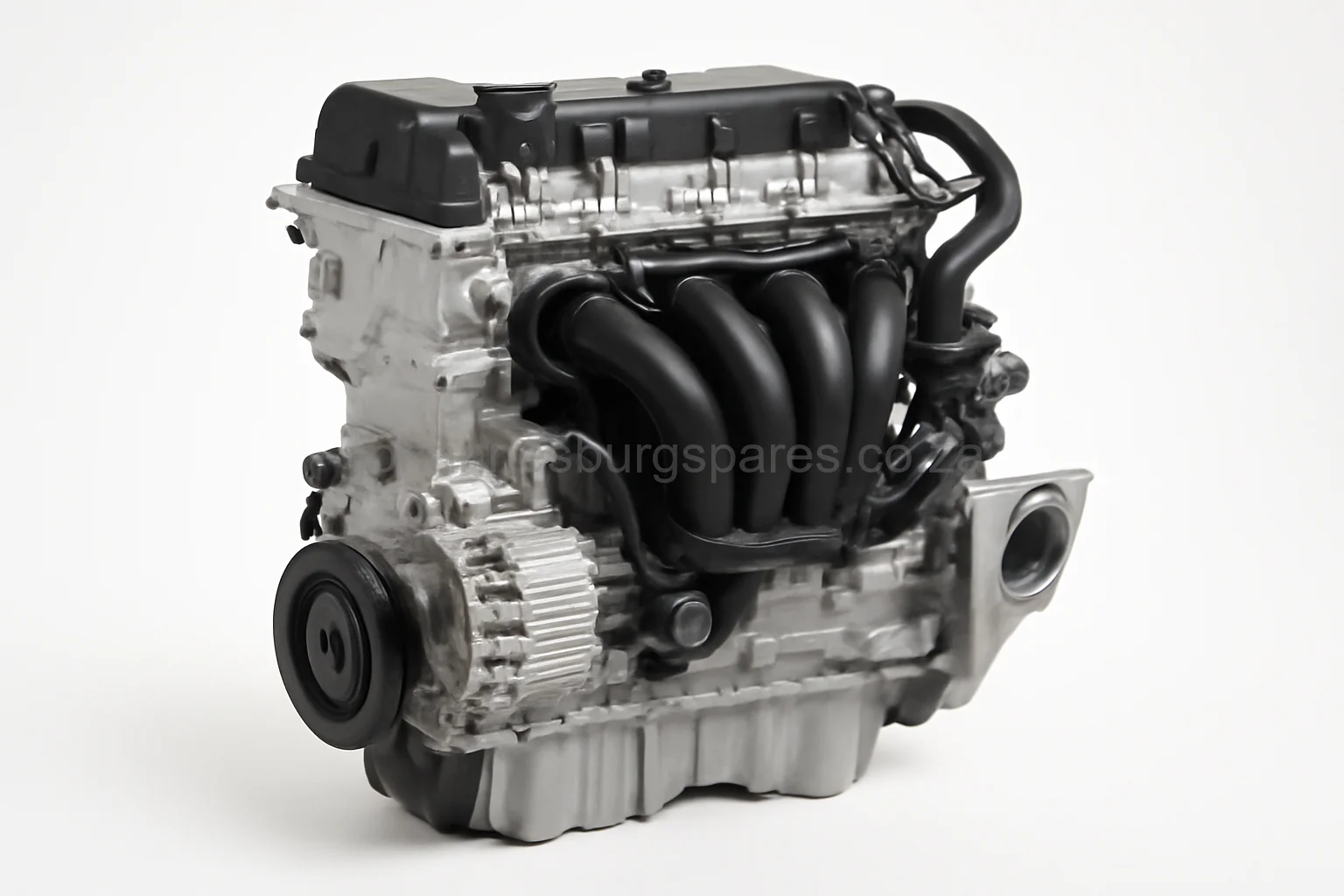
The internal combustion engine converts fuel into mechanical energy through controlled combustion within cylinders. Key reciprocating components include pistons, connecting rods, and the crankshaft, while the cylinder head houses valves controlled by one or more camshafts. The timing system synchronises valve operation with piston movement. Modern engines rely on precise tolerances and advanced materials to deliver power efficiently while meeting emission standards.
Volvo engines, including the modular T5, T6, and D5 families, are known for their durability when properly maintained. The newer Drive-E four-cylinder engines (T5/T6/T8) use both turbocharging and supercharging for optimal power delivery.
Key Components
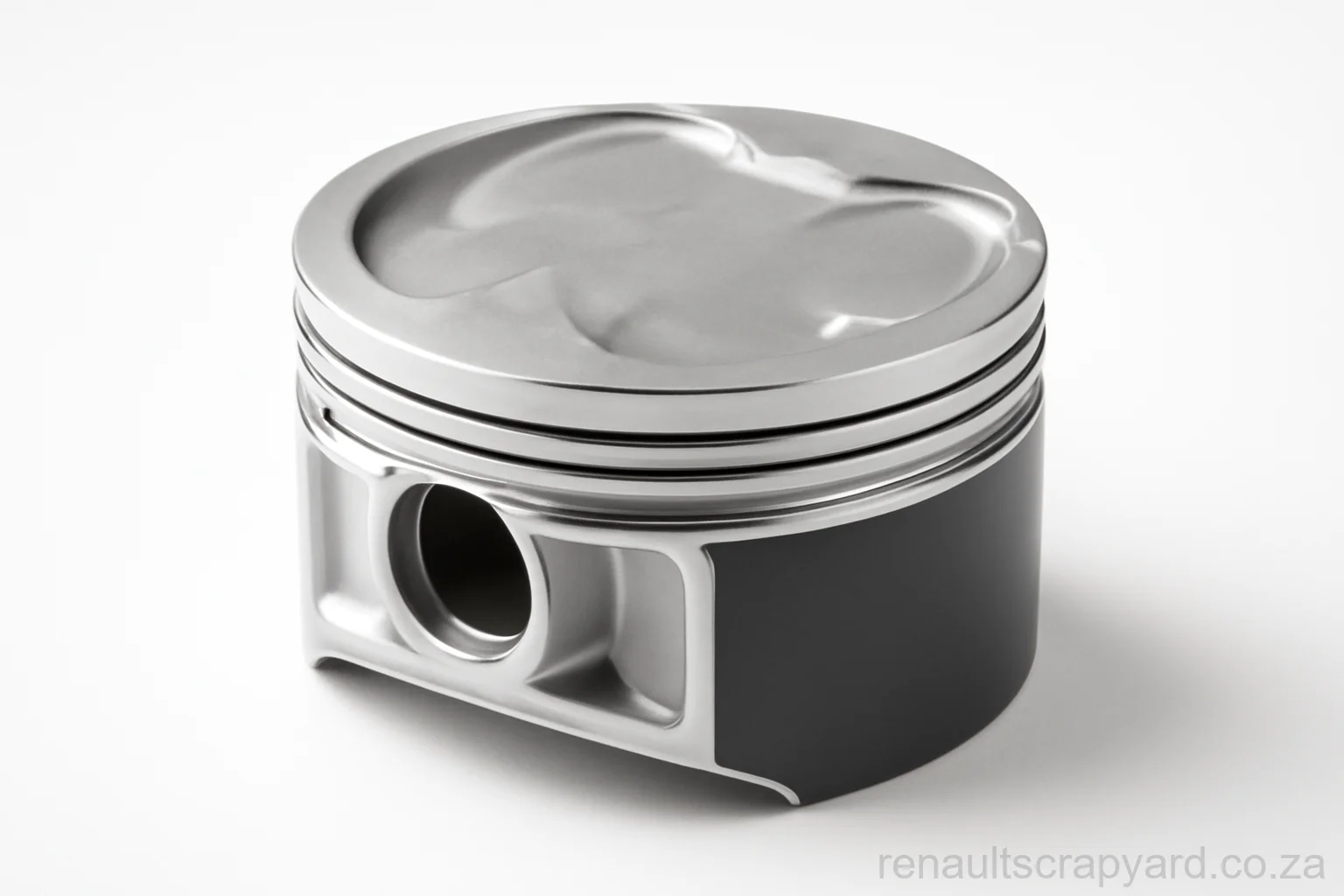
- Pistons, piston rings, and connecting rods
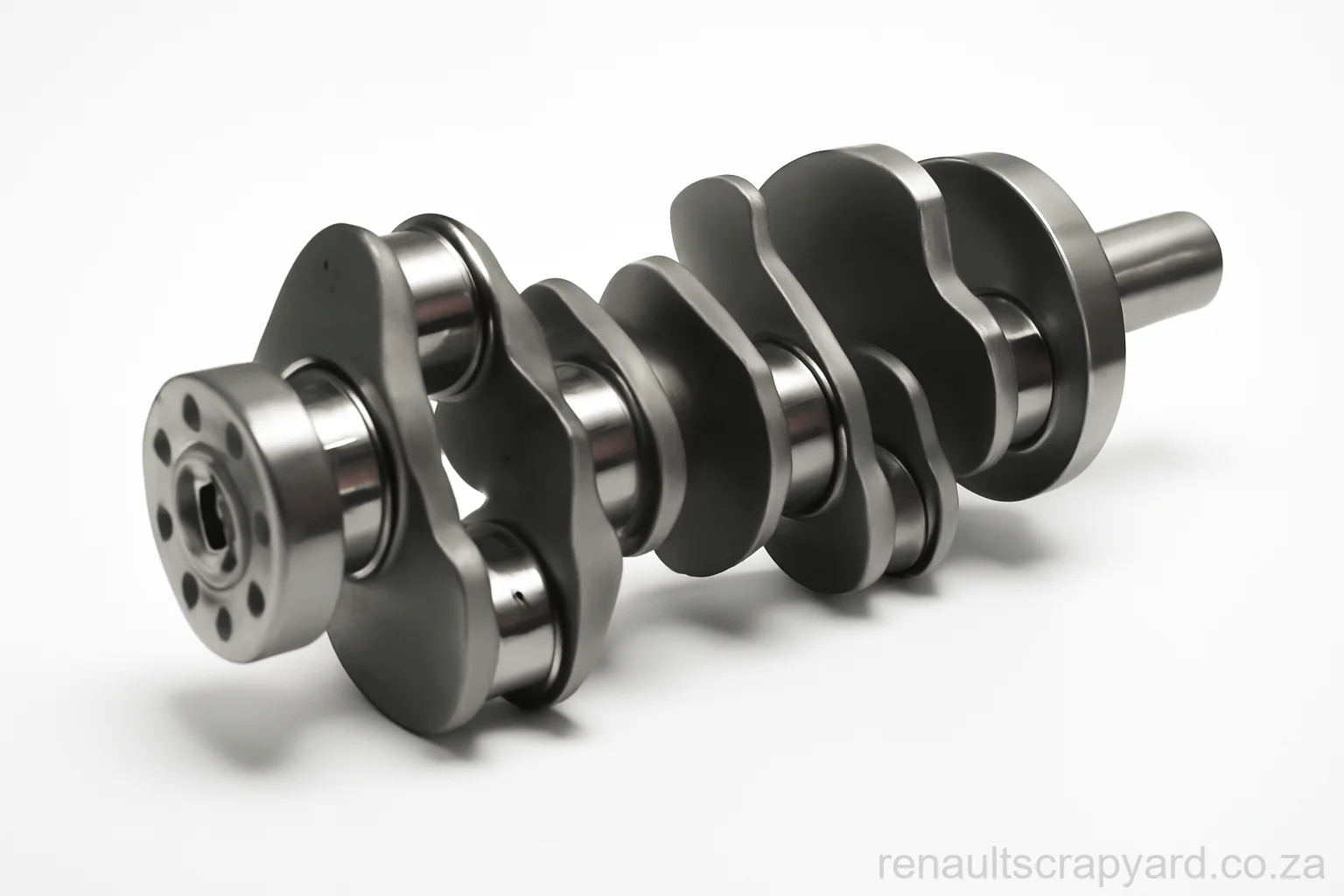
- Crankshaft and main bearings
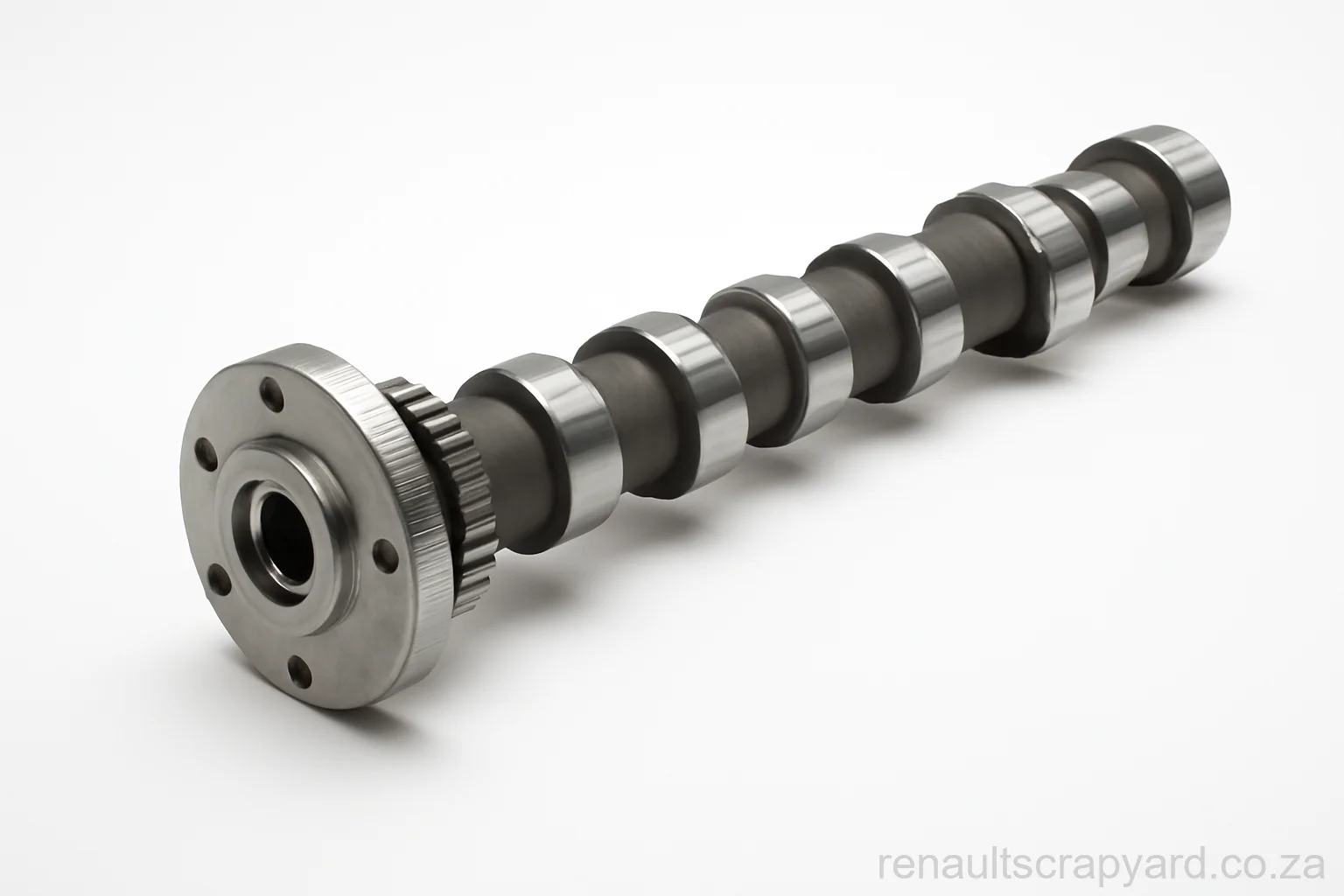
- Camshaft(s) and timing belt or chain assembly
- Cylinder head gasket and valve train
- Oil pump and lubrication system
How much does it cost to replace valves on a Volvo in South Africa?
Valve replacement costs vary significantly depending on the extent of work required. Valve stem seals alone typically cost R2,500–R6,500 including labour, while a complete valve job (regrinding seats, replacing guides and seals) runs R8,000–R18,000 for models like the XC90 or S60. If a full cylinder head replacement is needed due to burnt valves in a D5 or T5 engine, expect R15,000–R35,000 depending on whether you source a reconditioned head.
Can I drive my Volvo with burnt or leaking valves?
Driving with damaged valves risks further engine damage and should be avoided beyond short distances to a workshop. A burnt valve in your XC60 or V70 will cause progressive loss of compression, potential catalytic converter damage from unburnt fuel, and eventual complete cylinder failure. Get the issue diagnosed and repaired promptly to avoid escalating repair costs.
How do I know if my Volvo has bad valves?
The most reliable test is a compression test showing low pressure in one or more cylinders, or a leak-down test revealing air escaping through the intake or exhaust. Physical symptoms include steady misfiring on a specific cylinder, valve-related engine codes, and exhaust gases visible when removing the oil filler cap. A workshop in Durban or Johannesburg can perform these diagnostic tests to confirm valve issues in your S60, XC90, or V40.
What causes valve problems in Volvo engines?
Common causes include overheating (particularly in older XC90 T6 models), poor maintenance with extended service intervals, carbon buildup from low-quality fuel, and normal wear in high-mileage engines. The Volvo 5-cylinder engines (T5, D5, 2.4L) are generally robust but valve stem seals typically wear after 200,000+ km. Using quality engine oil and maintaining proper service intervals significantly extends valve life.
Are second-hand Volvo valves reliable for repairs?
Quality used valves from a reputable supplier like Volvo Spares can be excellent for older models like the 850, S70, or first-generation V70 where new parts are expensive. However, valves should always be inspected, measured, and properly machined by a qualified engine shop before installation. For critical components in newer turbocharged engines (T5, T6, D5), investing in new or professionally reconditioned valves is often worthwhile for longevity.
You May Also Need

Helpful Resources
Official Volvo South Africa website with model specifications and service information
Technical explanation of poppet valve operation in internal combustion engines
General automotive maintenance advice and motoring resources for South African drivers