
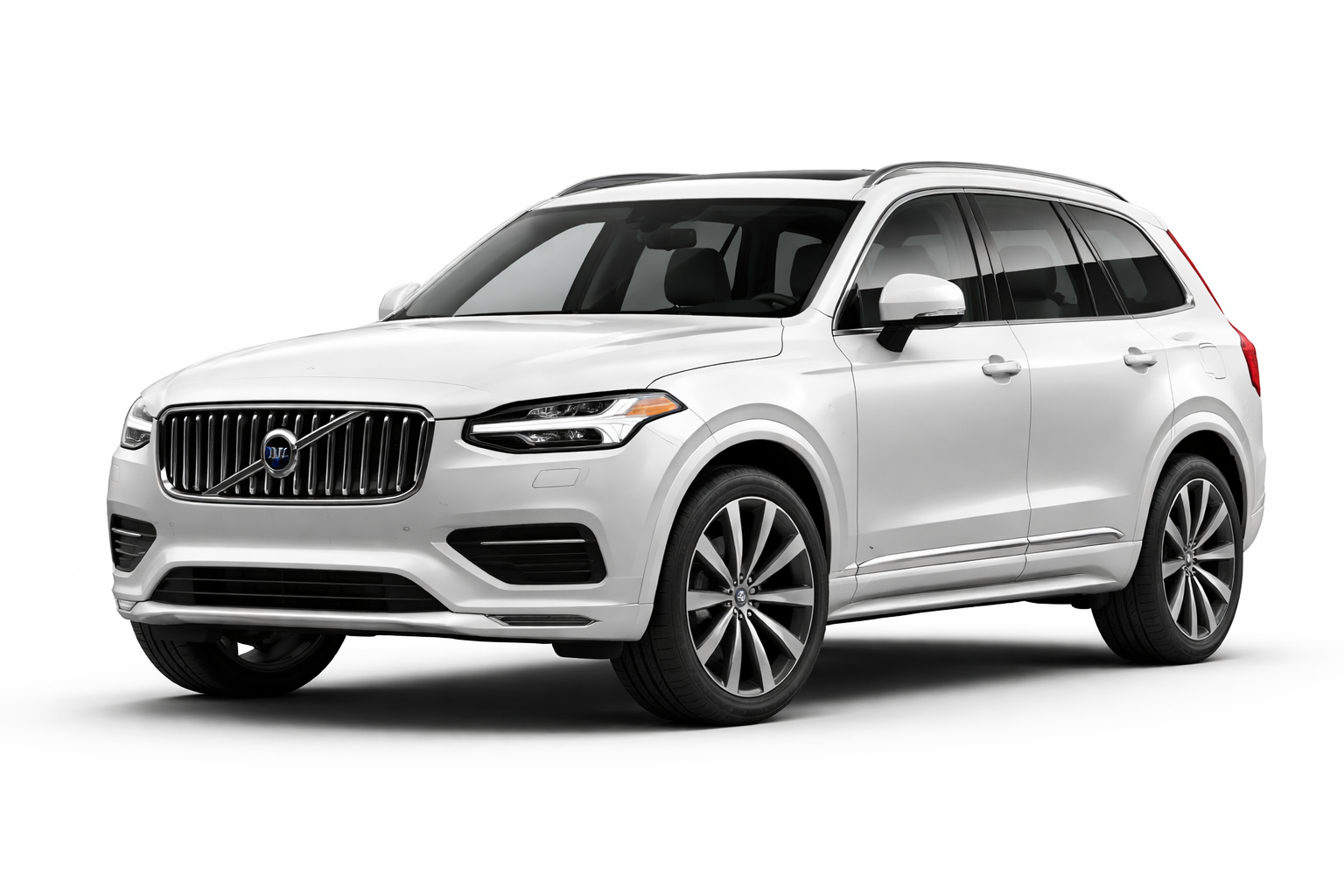
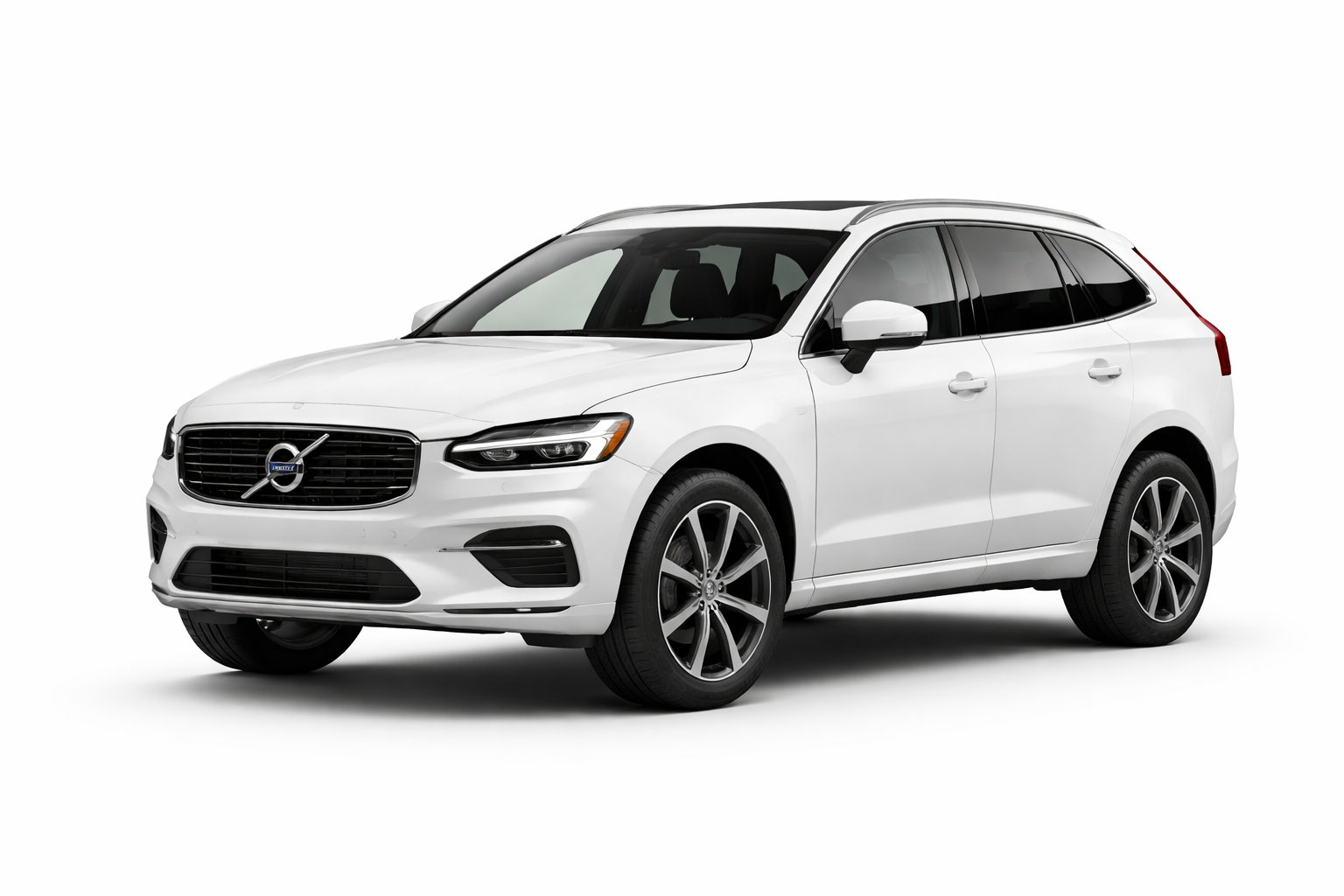
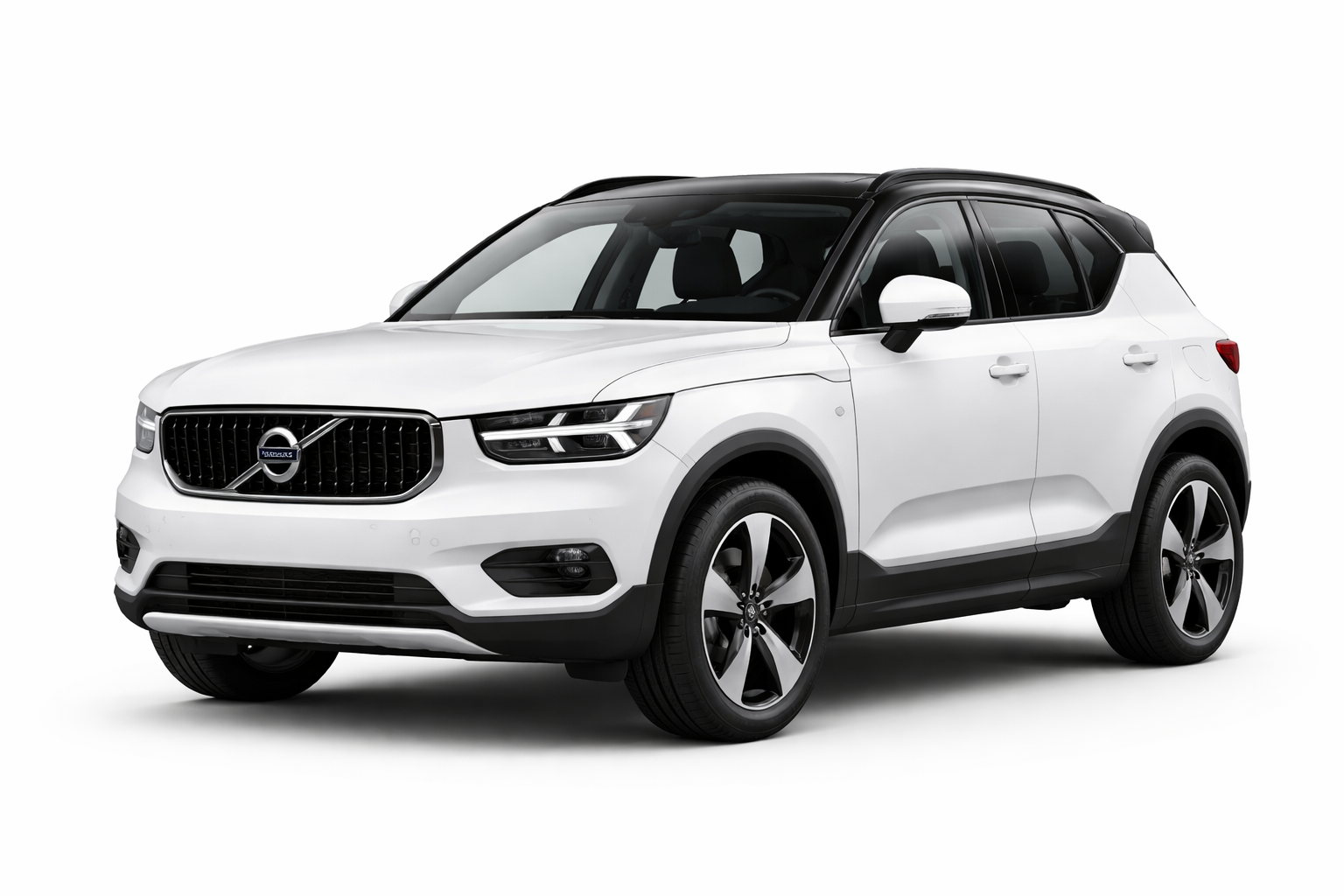
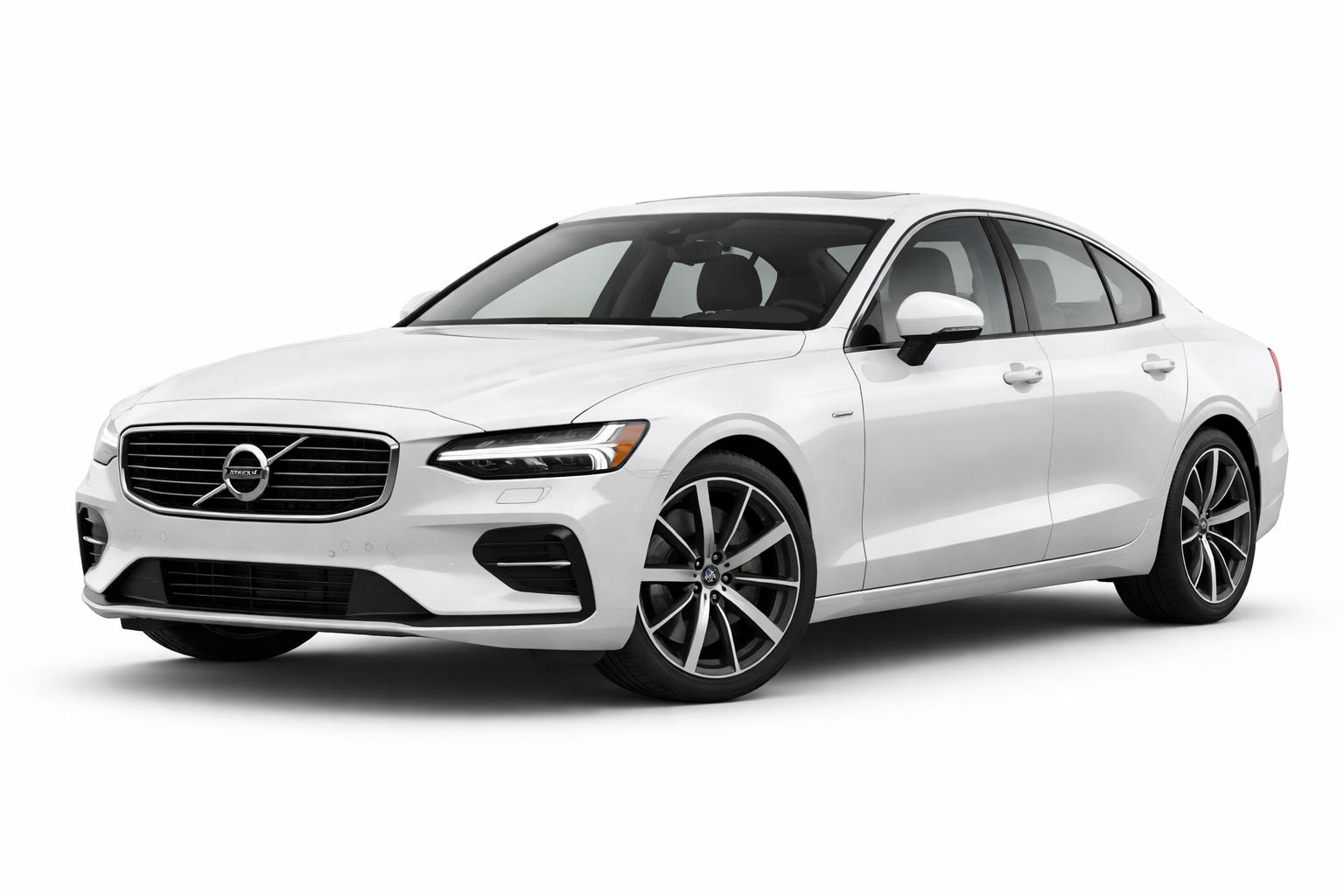
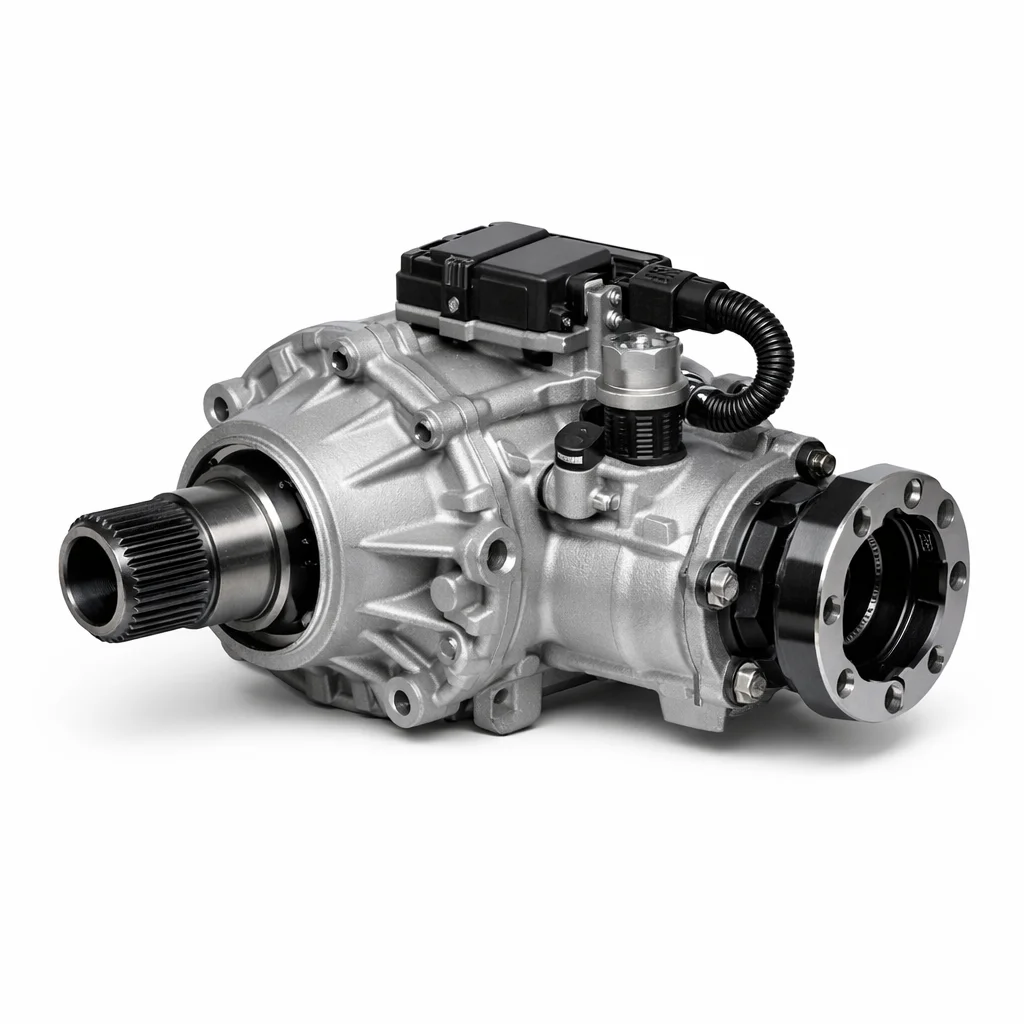
Indicative image
Haldex Gen 1-5
Haldex AWD Rear Differential
All AWD models On-demand rear drive
Rear Axle (AWD)
R5,700 – R15,000
Browse our range of tested used Volvo differentials, angle gears, and Haldex AWD components. From rear diffs to front transfer units. Nationwide delivery across South Africa.
Complete 3 quick steps for a fast response
We'll get back to you within 24 hours with differential availability and pricing.
From Haldex rear differentials to angle gears and BorgWarner rear drive modules. Every unit is inspected for noise, leaks, and wear before sale.
Rear Axle (AWD)
R5,700 – R15,000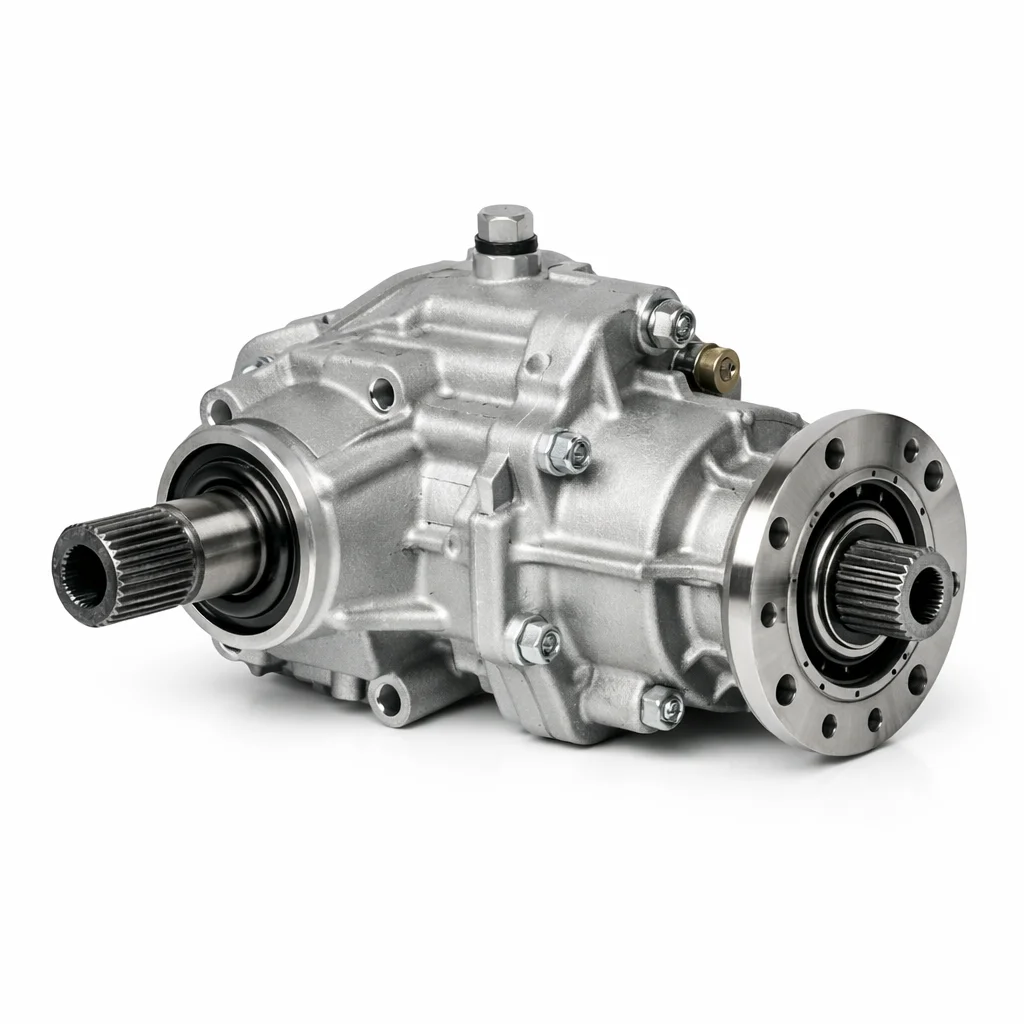
Front Transfer Unit
R8,000 – R15,000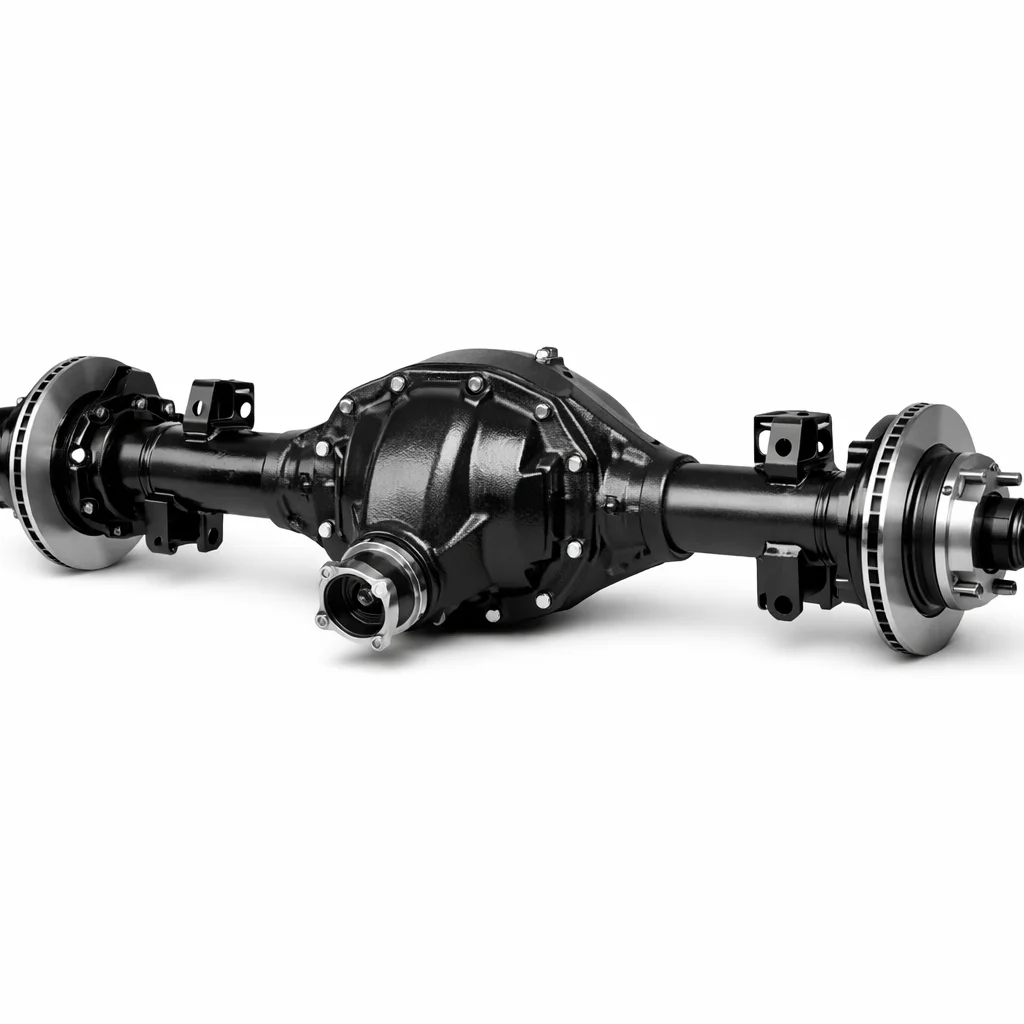
Rear Axle (Heavy-Duty)
R8,000 – R18,000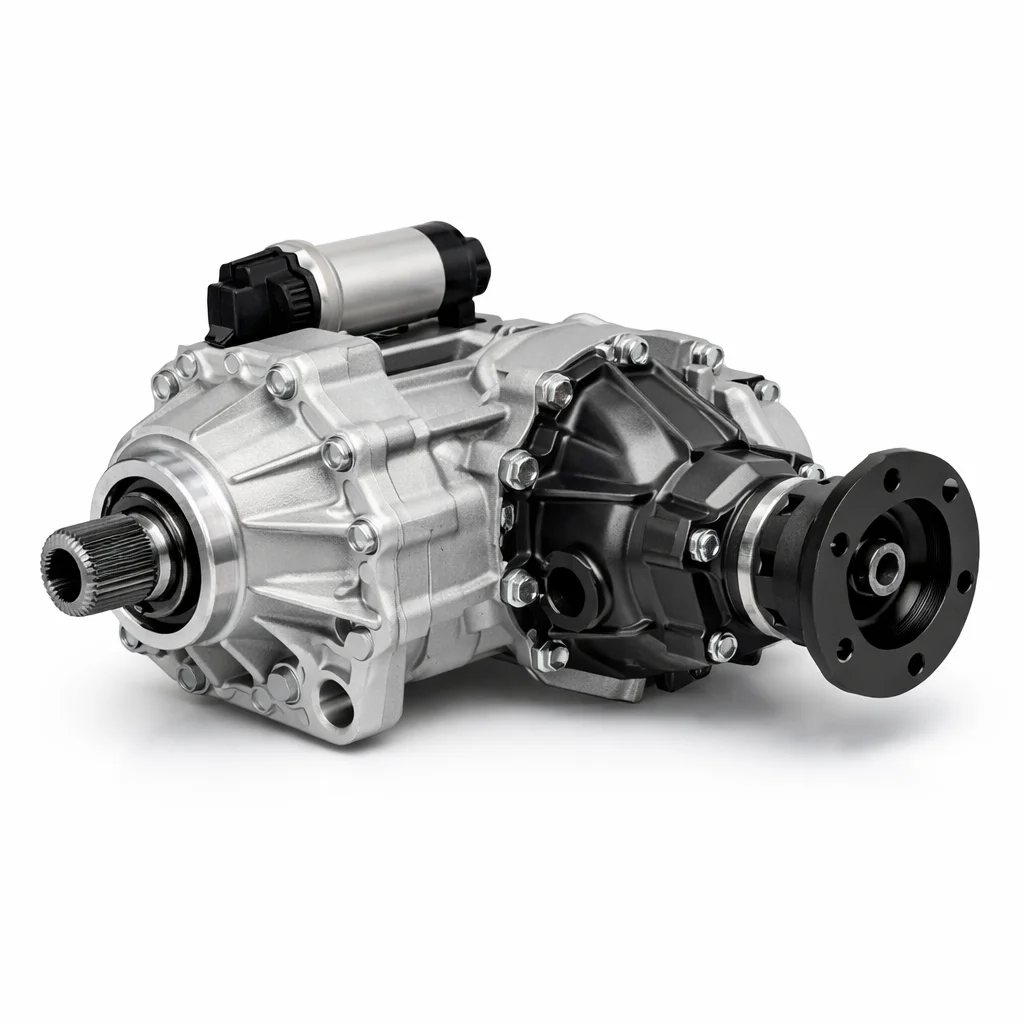
Rear Drive Module
R10,000 – R20,000Try adjusting your search or filter criteria.
Pricing Guide
Approximate pricing for tested used Volvo differentials and AWD components. Prices vary based on condition, generation, and availability.
| Volvo Model | AWD Components | Price Range |
|---|---|---|
| XC90 AWD | Haldex Rear Diff, XC90 Heavy-Duty Rear, Angle Gear, BorgWarner RDM (2015+) | R5,700 – R20,000 |
| XC60 AWD | Haldex Rear Diff, Angle Gear, BorgWarner RDM (2017+) | R5,700 – R20,000 |
| XC70 AWD | Haldex Rear Diff, Angle Gear | R5,700 – R15,000 |
| XC40 AWD | BorgWarner Rear Drive Module | R10,000 – R20,000 |
| S60 / V60 AWD | Haldex Rear Diff, Angle Gear | R5,700 – R15,000 |
| V60 Cross Country | Haldex Rear Diff, Angle Gear, BorgWarner RDM (2019+) | R5,700 – R20,000 |
| S90 / V90 AWD | BorgWarner Rear Drive Module | R10,000 – R20,000 |
| V70 AWD | Haldex Rear Diff, Angle Gear | R5,700 – R15,000 |
Prices are approximate. Actual pricing depends on unit condition, Haldex generation, and availability. Contact us for an accurate quote.
Understanding how Volvo's AWD system works helps you identify which component needs replacing.
Gen 1-5 (2000-present)
The Haldex coupling is the core of Volvo's AWD system. It uses an electronically controlled multi-plate clutch to send torque to the rear wheels on demand. Requires periodic fluid and filter changes (every 60,000 km recommended). Five generations exist with different specifications — always specify your model year.
Front Transfer Unit (AWD models)
The angle gear redirects power from the gearbox to the rear propshaft. It is the most common AWD failure point on Volvos due to seal degradation. When the seals fail, oil leaks out and the gears overheat. A reseal kit costs from R1,500, but if gears are damaged, a used replacement unit is needed.
Rear Axle Unit (AWD models)
The rear differential distributes torque between the rear wheels. On the XC90, this is a heavier-duty unit rated for the vehicle's greater weight. The Haldex coupling is typically integrated into or mounted adjacent to the rear differential assembly.
Rear Drive Module (2015+ SPA/CMA)
The newest generation Volvo AWD uses a BorgWarner rear drive module that replaces the traditional Haldex coupling. Found on newer XC40, XC60, and XC90 models. Very limited SA used supply as these vehicles are still relatively new.
Learn about our AWD component sourcing, testing, and delivery process.
Beyond differentials, we stock propshafts, CV joints, gearboxes, and other drivetrain components for all Volvo AWD models.
Looking for an AWD component for a specific Volvo? Browse our model pages to find compatible parts and request a quote.
Got Questions?
Everything you need to know about Volvo differentials and AWD components in South Africa.
Used Volvo differential and AWD component prices in South Africa range from R5,700 for a Haldex rear differential to R20,000 for a BorgWarner rear drive module (newer SPA/CMA platform). Angle gears range from R8,000 to R15,000. XC90 heavy-duty rear diffs are typically R8,000-R18,000. Contact us with your model, year, and drivetrain type for an accurate quote.
The angle gear (bevel gear) is the transfer unit mounted on the front of the gearbox that redirects power to the rear propshaft on AWD Volvos. It fails because its seals deteriorate over time, allowing gear oil to leak out. Without oil, the gears overheat and are damaged. Signs of failure include a whining noise from the front of the gearbox, oil drips under the car, and eventually grinding noises. A reseal kit costs from R1,500 if caught early, but gear damage requires a replacement unit.
A Haldex service involves draining and replacing the Haldex oil (special specification fluid) and replacing the filter/strainer inside the Haldex coupling. This should be done every 60,000 km or every 3 years. Neglecting this service leads to clutch pack wear, reduced AWD function, and eventually Haldex coupling failure. A Haldex service kit costs from approximately R1,000 and the service takes about 1-2 hours at a workshop.
Signs of a failing Volvo differential include: whining or humming noise from the rear (increases with speed), clunking when changing direction, vibration through the drivetrain, AWD warning light on the dashboard, oil leak from the diff housing, and reduced traction in slippery conditions. On AWD models, the AWD system may go into limp mode and only drive the front wheels.
Volvo offers AWD on most models as an option. The XC90, XC60, and XC70 are most commonly found with AWD. The XC40, V60 Cross Country, S60, V70, and S80 are also available with AWD. Models with 'Cross Country' in the name always have AWD. Check your vehicle's VIN or look for the AWD badge on the boot — if your Volvo is FWD (front-wheel drive only), it has no rear differential or angle gear to worry about.
While theoretically possible, converting a FWD Volvo to AWD is not practical or cost-effective. It requires a different gearbox (with angle gear provision), a propshaft, rear differential, rear axle modifications, Haldex wiring harness, and ECU reprogramming. The cost would exceed R100,000+ and would likely affect the vehicle's resale value negatively. Buying an AWD model is always the better option.
Tell us which Volvo differential or AWD component you need and we will respond within 24 hours.
Standard warranty on all differentials and AWD components.
Every unit inspected for bearing noise, gear whine, and seal leaks.
Secure packing and delivery to all 9 provinces. 2-7 working days.
Quality used AWD components at a fraction of dealer prices.