





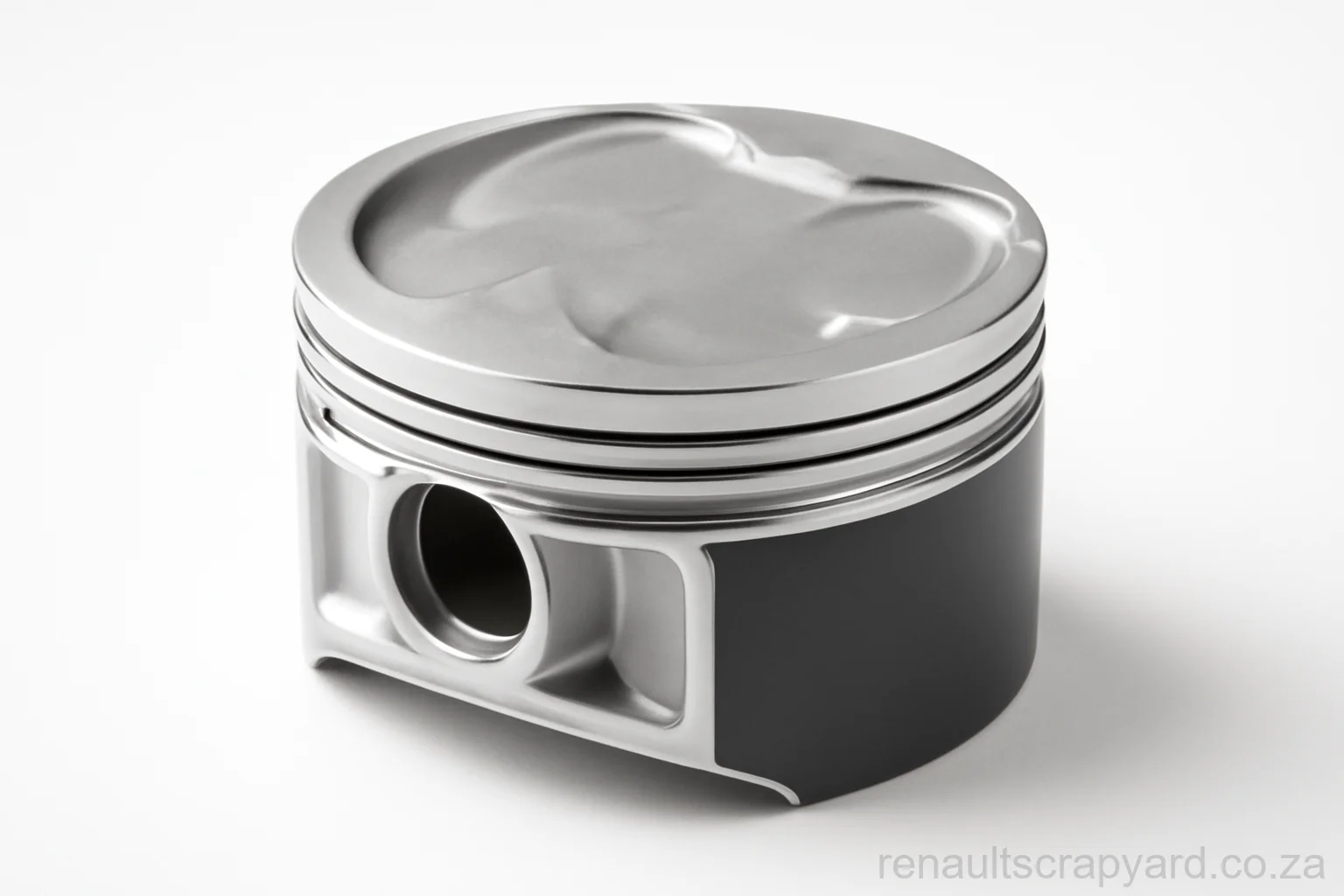

Volvo Exhaust Manifold Parts
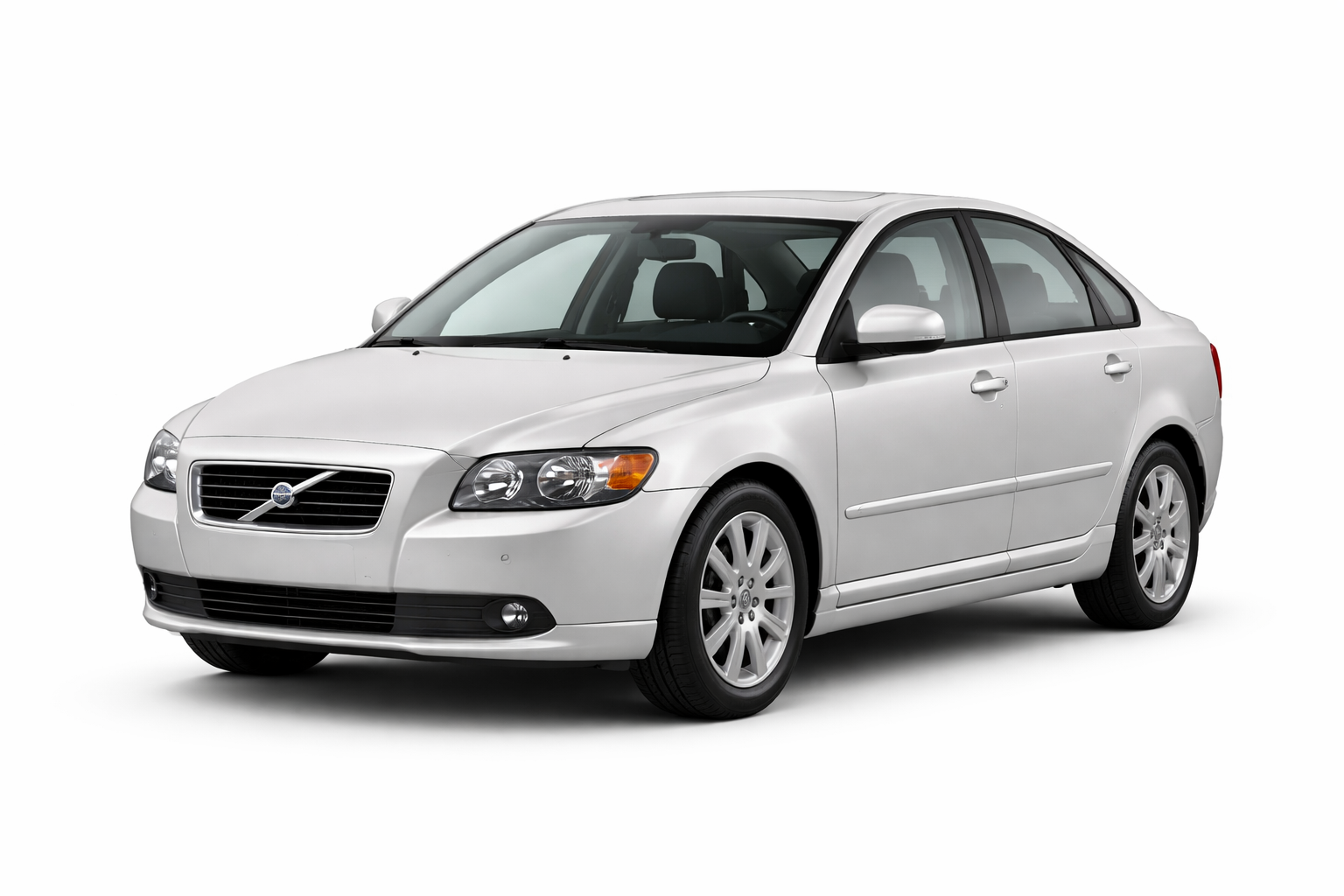
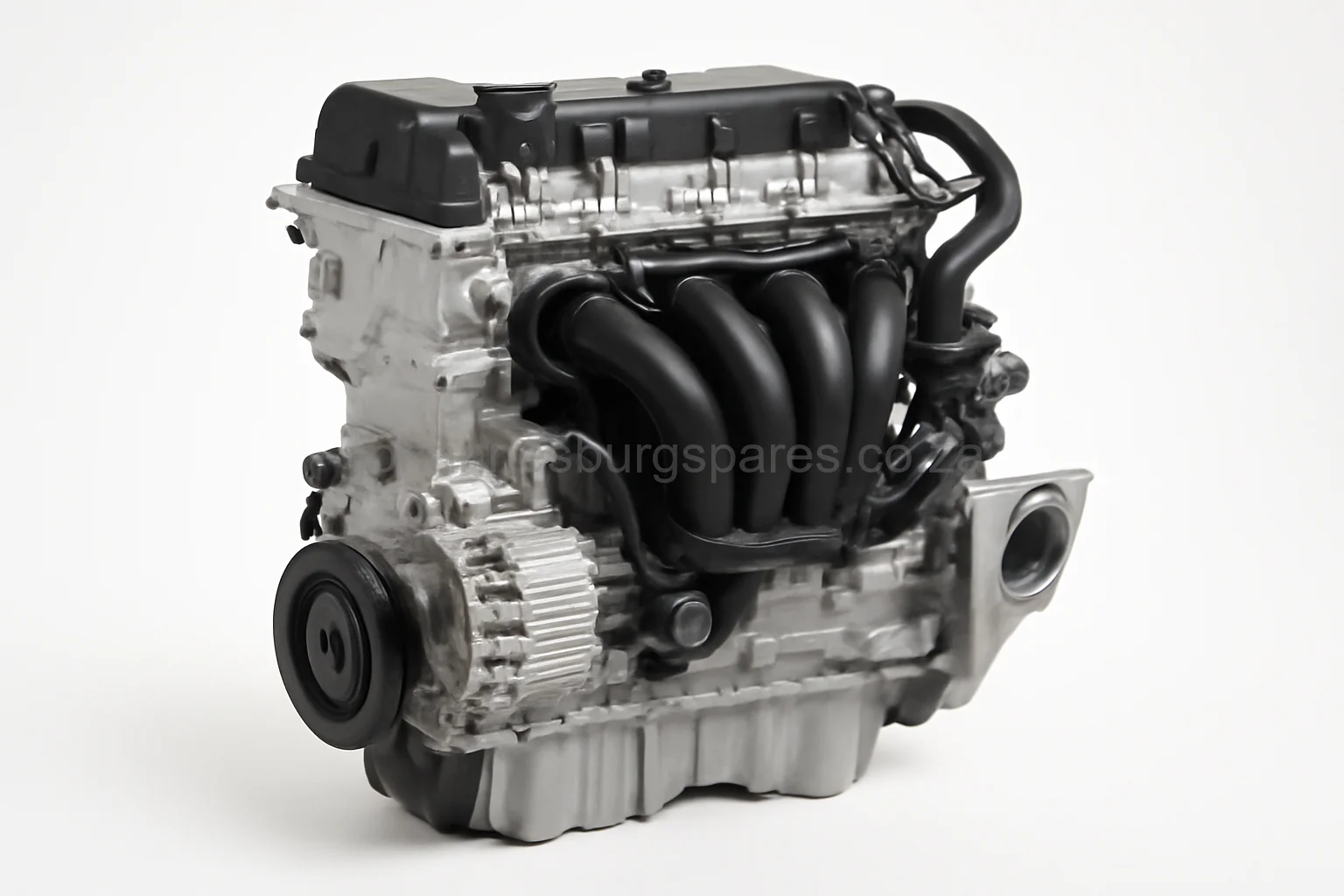
The exhaust manifold collects hot exhaust gases from individual engine cylinders and channels them into the exhaust system on Volvo models. Volvo's 5-cylinder engines (T5, D5 in XC90, S60, V70) and 4-cylinder Drive-E engines (T4, D4 in XC60, V40, S90) use cast iron or tubular steel manifolds that withstand extreme temperatures. In South Africa's coastal humidity (Durban, Cape Town) and highveld conditions, manifolds are prone to cracking, warping, and stud corrosion, especially on higher-mileage Volvos.
Common Signs You Need New Exhaust Manifold Parts
- Loud ticking or hissing noise from the engine bay that increases with RPM, particularly noticeable on cold starts in T5 and D5 engines.
- Check engine light triggered by oxygen sensor faults due to exhaust leaks affecting air-fuel mixture readings.
- Burning smell or visible exhaust smoke seeping from under the bonnet near the engine block.
- Loss of power and poor fuel economy as exhaust backpressure disrupts engine breathing, common in turbocharged Volvos (T5, T6, D5).
- Rattling sounds from loose heat shields or broken manifold studs, typical on older XC90, V70, and S60 models with over 150,000km.
- Failed emissions test due to exhaust gas leakage before the catalytic converter.
Maintenance Tips
Regular maintenance helps extend the life of your Volvo exhaust manifold components.
Inspect the exhaust system for rust, leaks, and damaged hangers during routine servicing
Address check engine lights related to oxygen sensors promptly to maintain fuel efficiency and emissions compliance
For diesel models, ensure regular highway driving to allow the DPF to regenerate properly
About Volvo Exhaust Manifold Parts
About Volvo Exhaust Manifold Parts
The exhaust system channels spent combustion gases from the engine to the rear of the vehicle while reducing noise and harmful emissions. It begins at the exhaust manifold or header, passes through the catalytic converter for emission treatment, then through a resonator and silencer (muffler) before exiting via the tailpipe. Modern systems include oxygen sensors, diesel particulate filters (DPF), and selective catalytic reduction (SCR) components for emissions compliance.
Volvo diesel models (D3, D4, D5) feature sophisticated exhaust aftertreatment with DPF and SCR systems that require AdBlue. Turbo models may experience exhaust manifold cracks or turbo-related exhaust leaks that should be inspected at service intervals.
Key Components
- Exhaust manifold and gaskets
- Catalytic converter and oxygen (lambda) sensors
- Diesel particulate filter (DPF) on diesel models
- Silencer (muffler), resonator, and exhaust pipes
- Exhaust hangers, clamps, and flexible joints
How much does a Volvo exhaust manifold replacement cost in South Africa?
Expect R3,500–R8,500 for a used manifold plus R2,000–R4,000 labour at independent workshops in Durban, Johannesburg, or Cape Town. Turbo models (T5, T6, D5) often cost more due to integrated turbo flanges and harder access, while naturally aspirated engines (older S60, V70) are simpler. New OEM manifolds can exceed R15,000, making quality used parts a practical option.
Can I drive my Volvo with a cracked exhaust manifold?
You can drive short distances, but it's neither safe nor legal—exhaust leaks can allow carbon monoxide into the cabin and damage oxygen sensors or turbochargers on T5/D5 engines. The noise will also fail roadworthy inspections required in South Africa. Address it promptly to avoid expensive secondary damage to catalytic converters or turbo seals.
What causes exhaust manifolds to crack on Volvo engines?
Repeated thermal cycling (heating and cooling) causes cast iron manifolds to develop stress cracks, especially common on high-mileage T5 and D5 5-cylinder engines in XC90, S60, and V70 models. Corroded manifold studs (from coastal salt air in Durban/Cape Town) and over-torqued bolts also contribute to cracking. Turbocharged models experience higher exhaust temperatures, accelerating wear.
Do Volvo exhaust manifolds include the catalytic converter?
Some Volvo models use integrated manifold-catalytic converter assemblies (common on V40, C30, S60 Drive-E engines), while older models have separate bolt-on catalytic converters downstream. Integrated units are more expensive (R12,000–R25,000 new) but reduce parts count. Check your specific model year before ordering—XC90 T6 and D5 typically use separate components.
What's included with a Volvo exhaust manifold from a scrap yard?
Quality suppliers provide the manifold casting with studs/bolts and heat shield if originally attached—turbo models may include the turbo mounting flange. You'll need new gaskets (R150–R400) and often new studs/nuts (R200–R600 per set) as originals corrode. Confirm fitment for your engine type (T5, D5, T4) and model year, as bolt patterns vary between generations.
You May Also Need

Helpful Resources
Official Volvo South Africa resource for model specifications and service information
Technical explanation of exhaust manifold design, function, and common failure modes
South African automotive authority with roadworthy requirements and vehicle maintenance guides

Need Volvo Exhaust Manifold Parts?
Quality-tested parts, warranty included, nationwide delivery.