




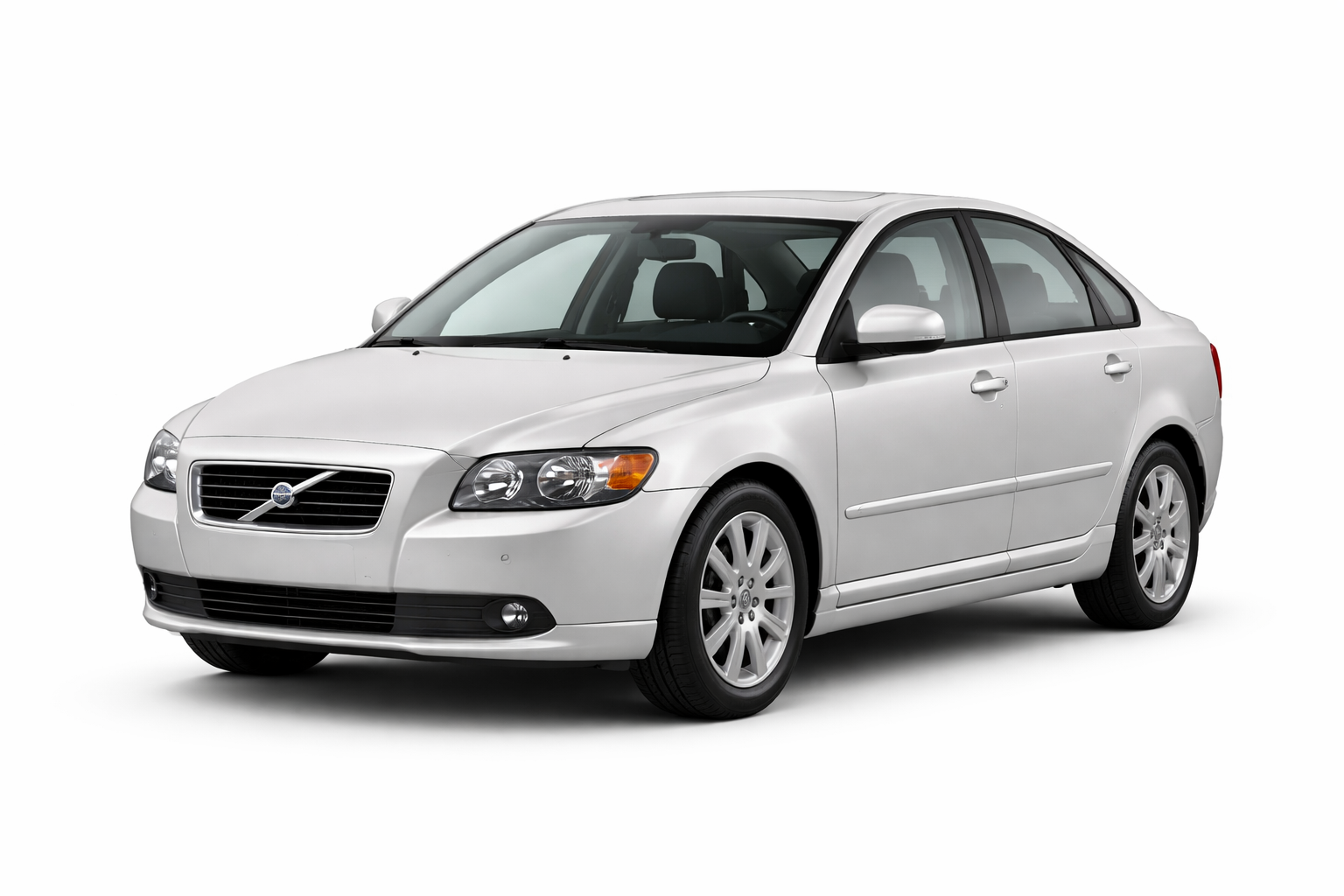
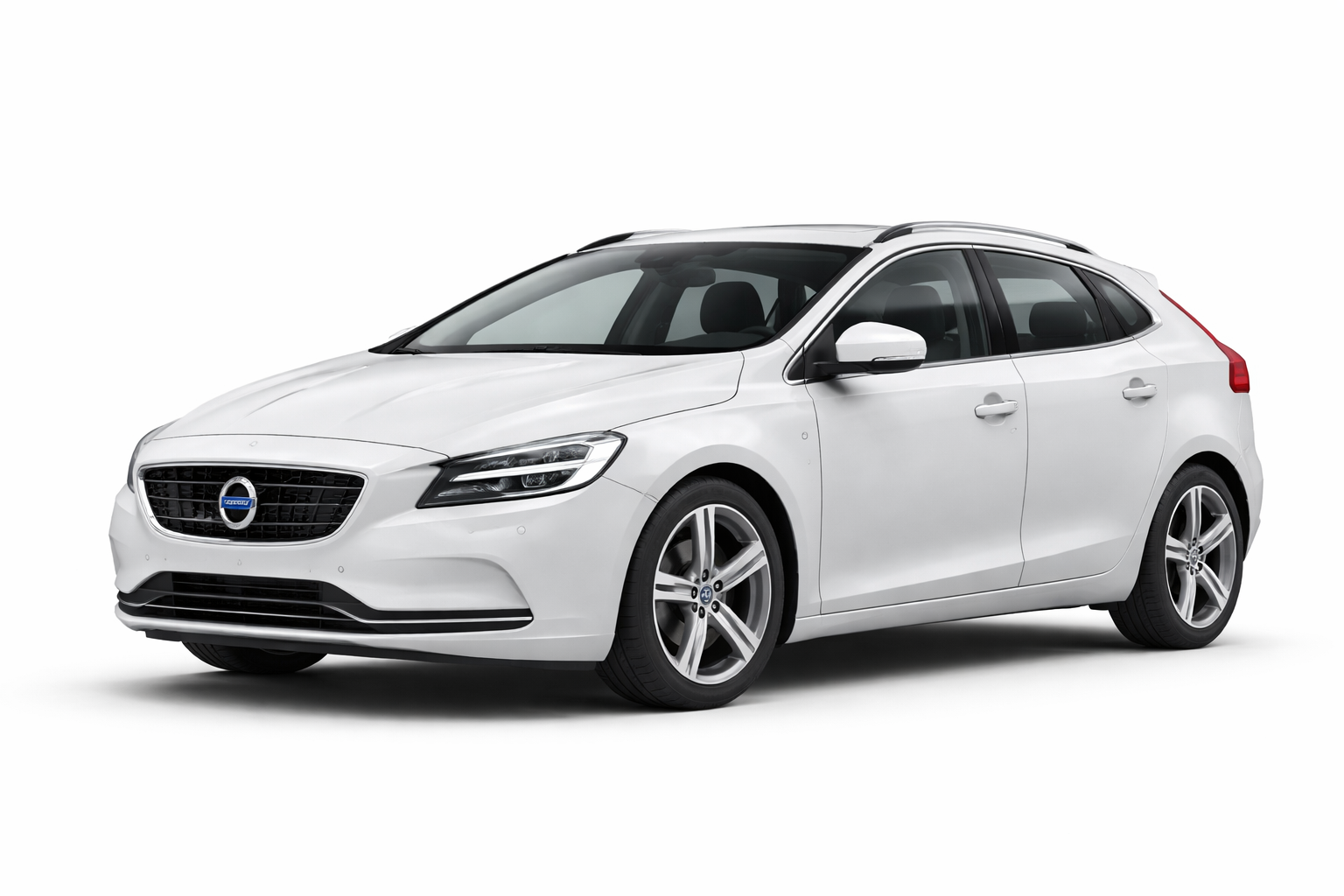
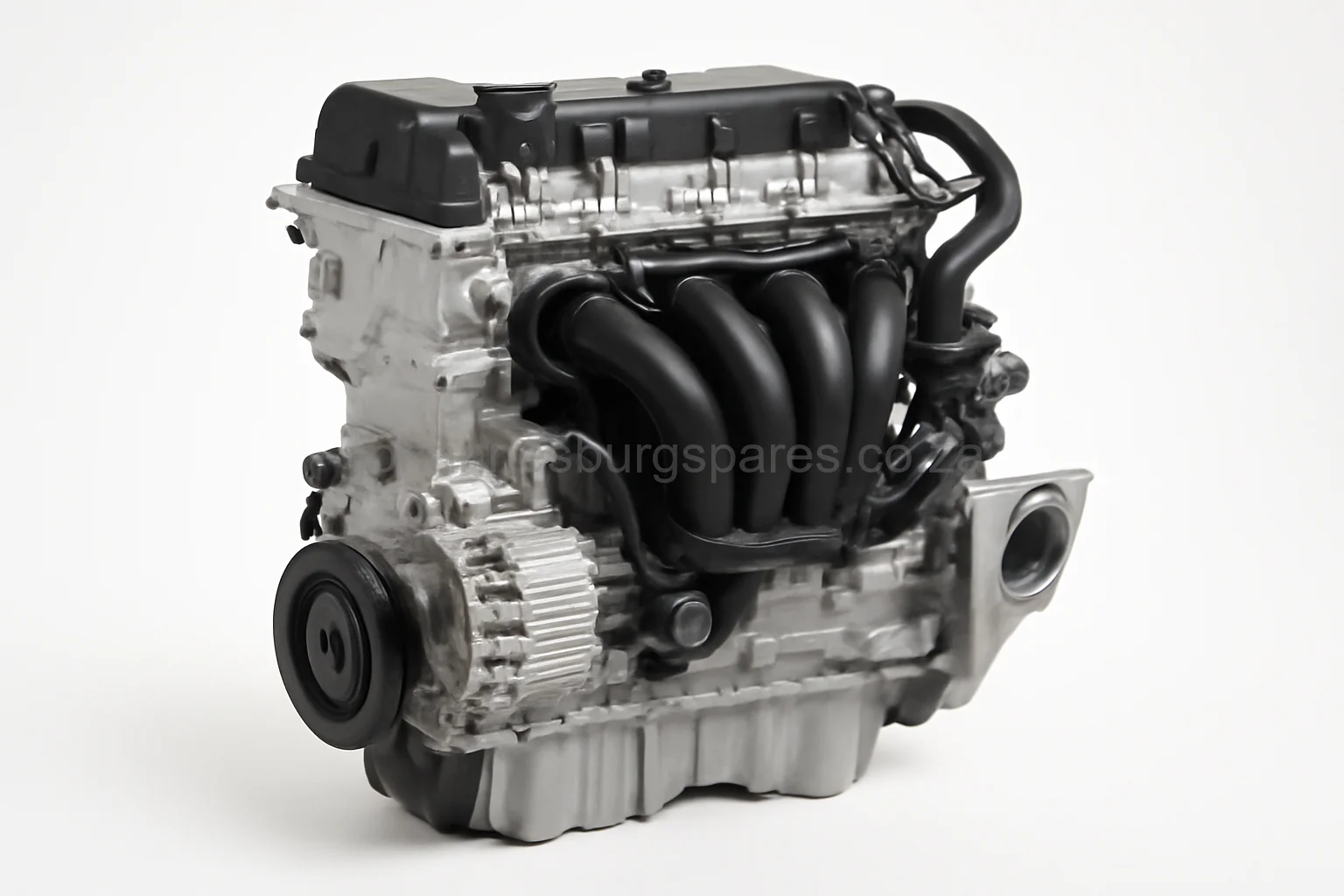

Volvo Radiators Parts
The radiator is the core component of your Volvo's cooling system, responsible for dissipating heat from the engine coolant through its aluminium or copper-brass core. Volvo models like the XC90, S60, and V70 with T5 and D5 engines generate significant heat, especially in South Africa's warmer climate from Durban to Johannesburg, making a properly functioning radiator essential to prevent overheating. A failed radiator can lead to catastrophic engine damage within minutes of driving.
Common Signs You Need New Radiators Parts
- Temperature gauge climbing into the red zone or overheating warning light appearing on the dashboard, especially in traffic or on long highway drives.
- Visible coolant leaks beneath the vehicle after parking, often appearing as green, pink, or orange puddles under the front of the car.
- Steam or white smoke rising from under the bonnet when idling or after switching off the engine.
- Discoloured or rusty coolant visible in the overflow reservoir, indicating internal radiator corrosion common in older XC70 and V70 models.
- Sweet smell of coolant inside or around the vehicle, suggesting a leak from radiator seams or end tanks.
- Engine performance loss or rough idling due to overheating, particularly noticeable in turbocharged T5 and T6 engines under load.
Maintenance Tips
Regular maintenance helps extend the life of your Volvo radiators components.
Replace coolant at the manufacturer-recommended interval using the correct specification antifreeze for your Volvo
Inspect coolant hoses and the radiator for leaks, cracks, or swelling during routine servicing
Never open the coolant expansion tank cap when the engine is hot to avoid scalding
About Volvo Radiators Parts
About Volvo Radiators Parts
The engine cooling system maintains optimal operating temperature by circulating coolant through passages in the engine block and cylinder head, then dissipating heat through the radiator. The system is pressurised to raise the coolant boiling point and uses a thermostat to regulate flow. An engine-driven or electric cooling fan provides additional airflow at low speeds. The heater core, a secondary heat exchanger, uses hot coolant to warm the cabin interior.
Volvo five-cylinder and inline-six engines are known for their cooling system demands. The plastic expansion tank and associated fittings are common failure points on models like the S60, V70, and XC90. Volvo recommends specific long-life coolant that should not be mixed with other types.
Key Components
- Radiator and expansion tank (coolant reservoir)
- Water pump and thermostat
- Cooling fan and fan clutch or electric fan motor
- Heater core and heater control valve
- Coolant hoses, clamps, and temperature sensors
How much does a replacement radiator cost for a Volvo in South Africa?
Radiator prices vary by model: expect R2,500–R4,500 for an S40 or V40, R3,500–R6,500 for an XC60 or S60, and R5,000–R8,500 for an XC90 with T6 or D5 engine. Genuine Volvo radiators cost significantly more, while quality aftermarket units from brands like Dura-Lite offer reliable alternatives. Installation labour typically adds R800–R1,500 depending on model complexity.
Are Volvo radiators available for older models like the 850 and V70 in South Africa?
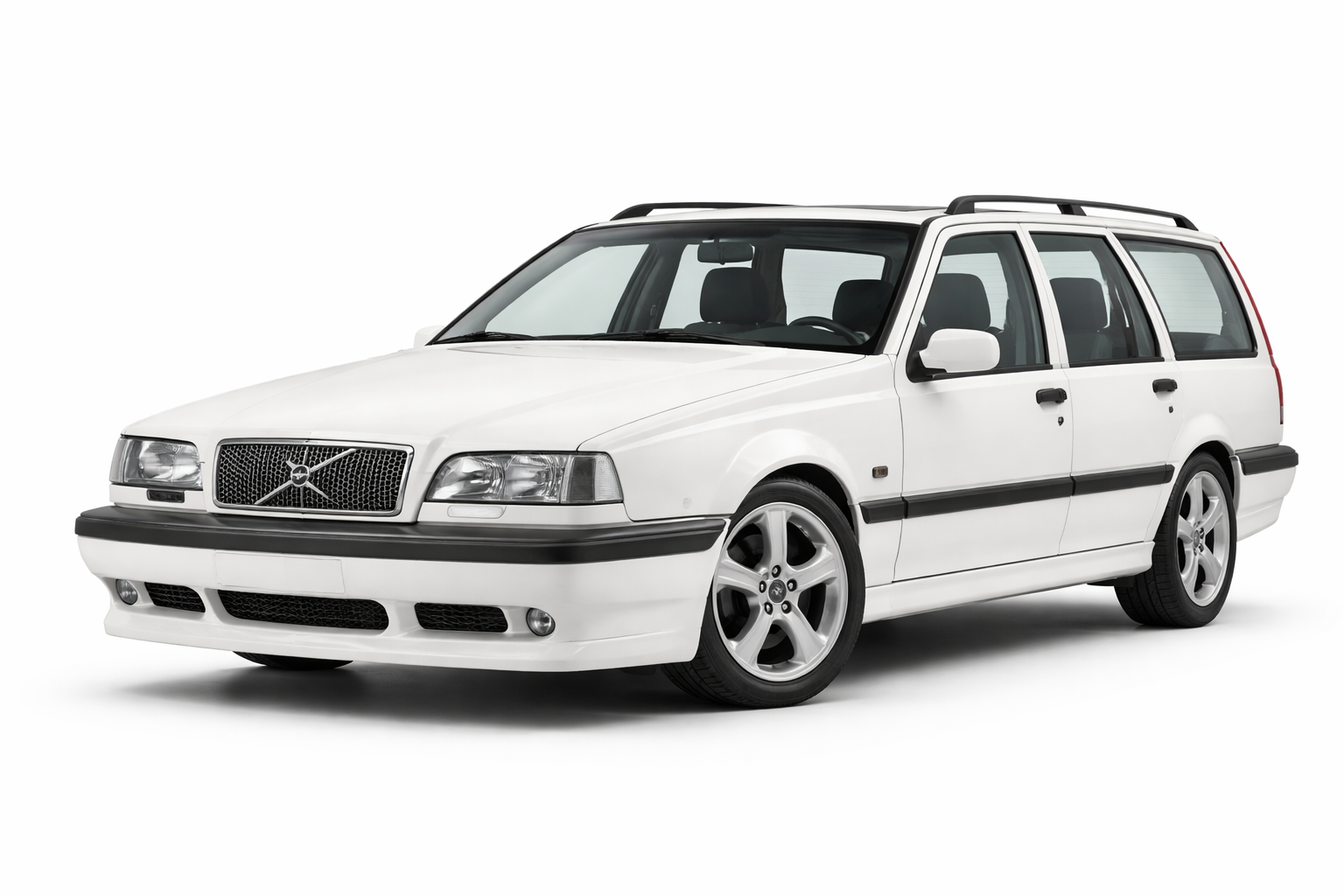
Yes, radiators for classic Volvo models including the 850, 940, S70, and first-generation V70 are readily available through specialist suppliers like Volvo Spares in Durban. These older 5-cylinder models often use simpler radiator designs that are easier and cheaper to source, typically ranging R2,000–R3,500. Stock availability is good for popular models sold extensively in South Africa.
Why do Volvo XC90 radiators fail more frequently than other models?
The first-generation XC90 (2002–2014) with T6 and D5 engines generates substantial heat due to its weight and turbocharger systems, placing extra strain on the radiator. Plastic end tanks commonly crack after 10–15 years due to heat cycling and SA's temperature extremes, while towing and off-road use accelerate deterioration. Regular coolant changes every 2 years help extend radiator life.
Can I drive my Volvo with a leaking radiator?
No—driving with a leaking radiator risks severe engine damage from overheating, potentially warping the cylinder head or cracking the engine block in T5 and D5 engines. If you notice leaks, top up coolant, avoid heavy acceleration, and drive directly to a workshop. Emergency repairs may be possible, but radiator replacement is typically necessary and costs far less than engine rebuild.
What's the difference between aluminium and copper-brass Volvo radiators?
Modern Volvos from 2000 onwards typically use aluminium radiators with plastic end tanks, which are lighter and offer good heat dissipation for models like the S60, XC60, and V60. Older models like the 240, 740, and 940 used copper-brass radiators, which are heavier but more durable and easier to repair. Most aftermarket replacements for newer Volvos are aluminium construction, costing R3,000–R7,000 depending on model.

Helpful Resources
Official Volvo South Africa site with model information and service guidance
AA South Africa guidance on cooling system maintenance and breakdown prevention
Technical overview of automotive radiator function and construction types

Need Volvo Radiators Parts?
Quality-tested parts, warranty included, nationwide delivery.