


Volvo Sensors Parts
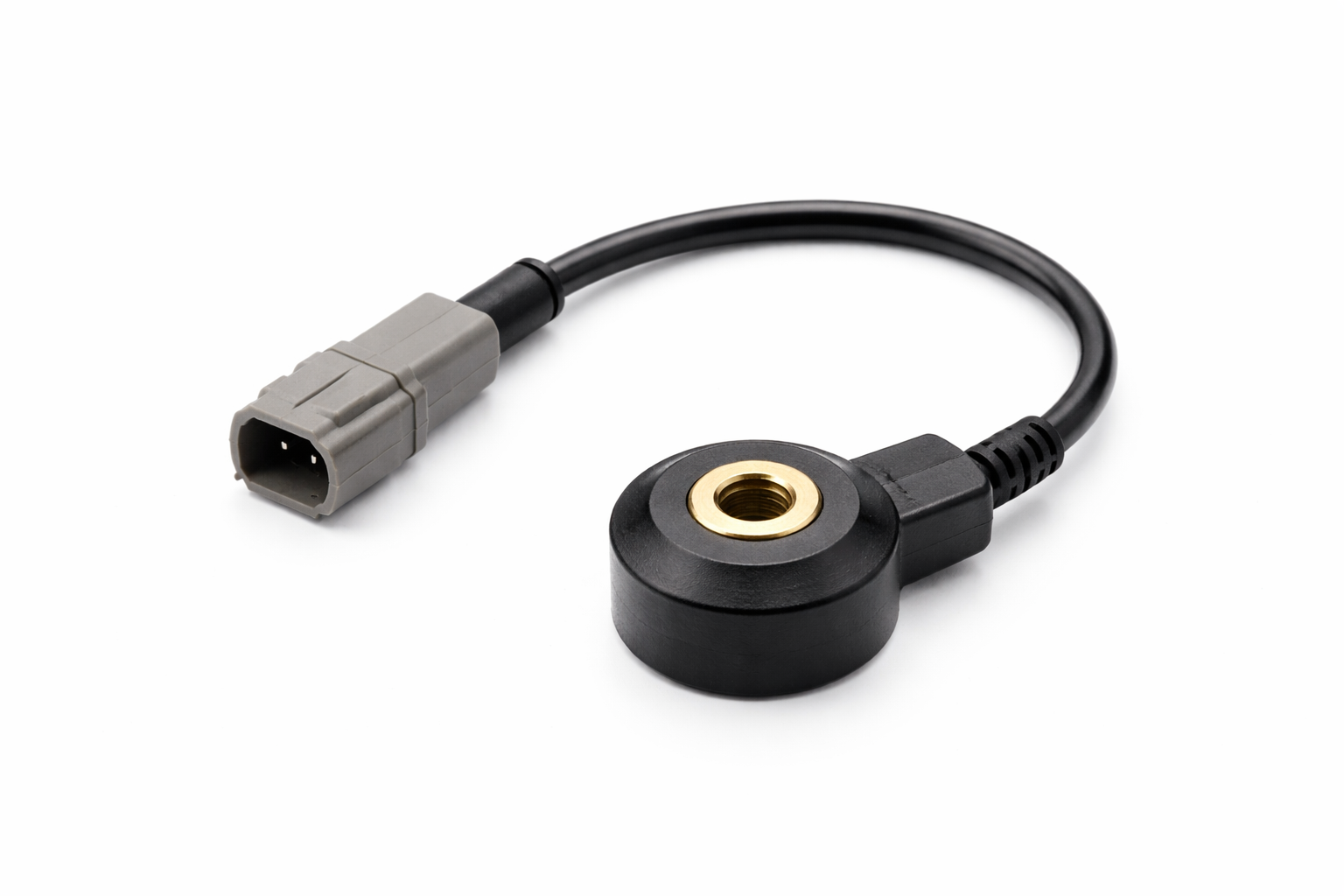
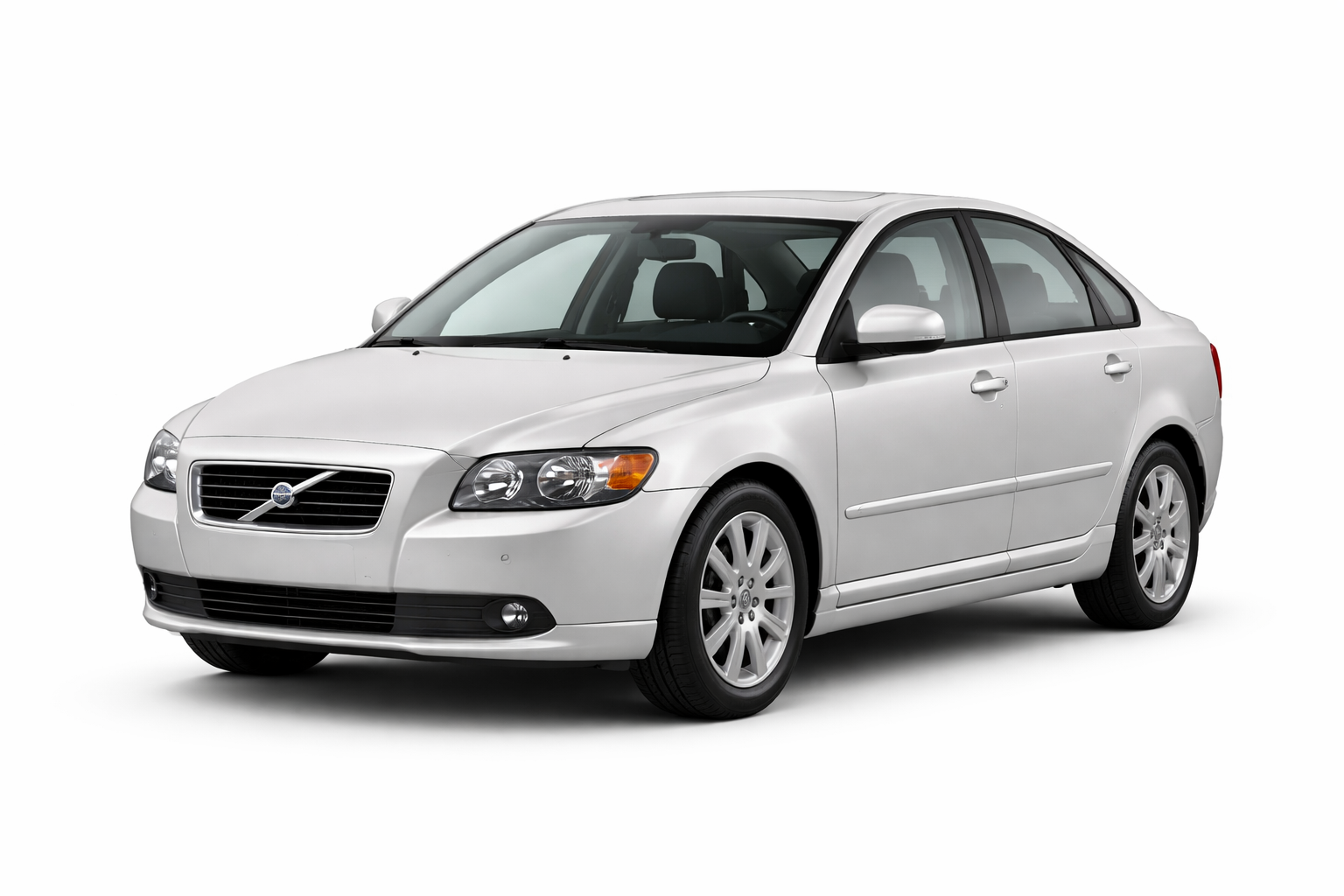
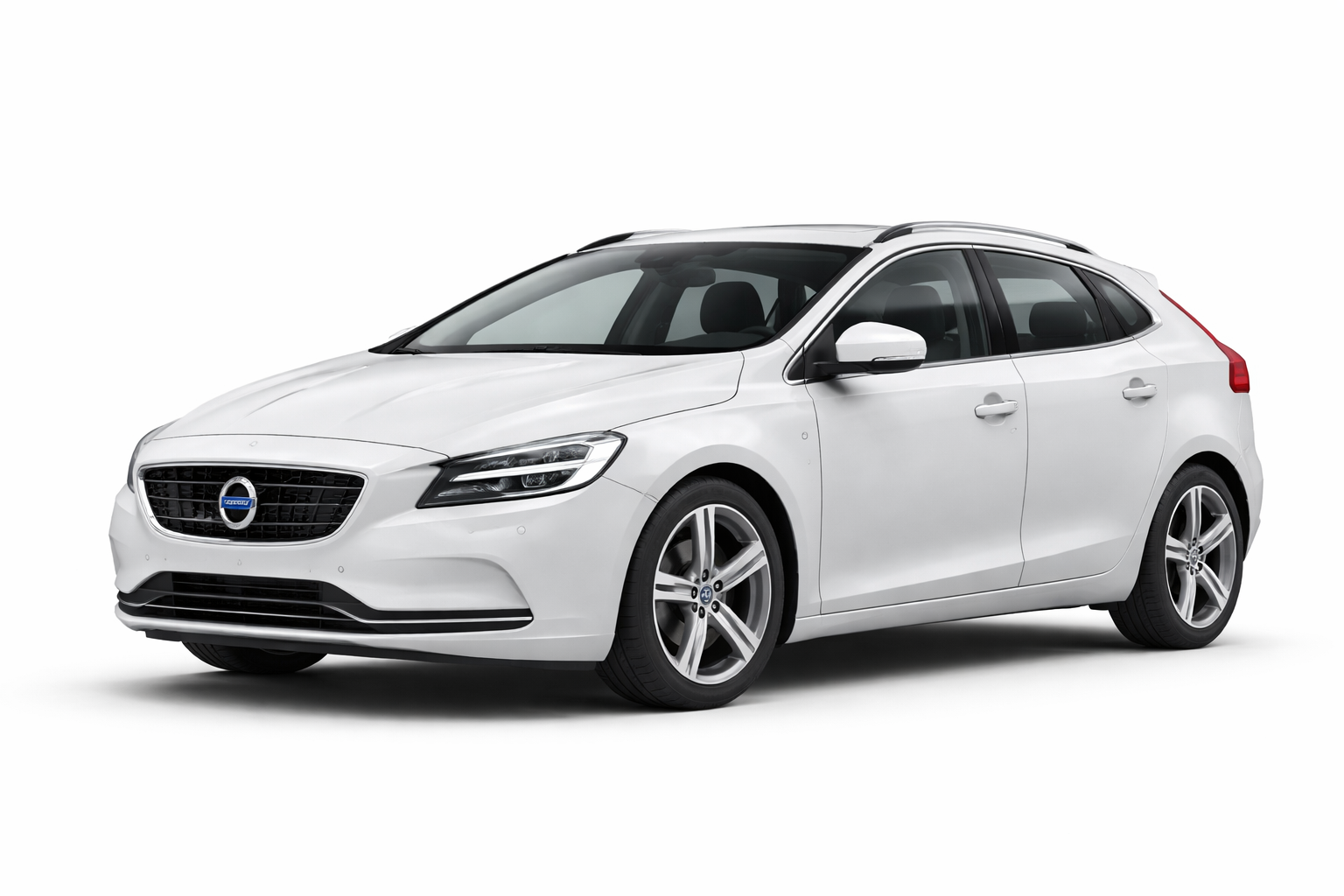
Volvo sensors are electronic components that monitor critical systems like oxygen levels, wheel speed, coolant temperature, crankshaft position, and parking proximity across all models from the XC90 to the S60. Modern Volvos (2010+) use dozens of sensors to manage engine performance, safety systems (ABS, airbags), and emissions compliance—failures trigger dashboard warning lights and can cause poor fuel economy or failed roadworthy tests. In South Africa's varied climate, sensors exposed to Durban humidity or Highveld dust are particularly prone to corrosion and contamination.
Common Signs You Need New Sensors Parts
- Check Engine light illuminated on the dashboard, often accompanied by reduced power or rough idling in T5 and D5 engines.
- ABS or traction control warning lights appearing, indicating wheel speed sensor faults common in XC60 and XC90 models.
- Poor fuel economy or black exhaust smoke, typically caused by failing oxygen sensors in older S60, V70, or 850 models.
- Erratic temperature gauge readings or overheating warnings when the coolant temperature sensor fails.
- Parking sensors beeping continuously or not detecting obstacles, common in XC40 and V60 rear bumper sensors.
- Difficulty starting or stalling, particularly in cold weather, often linked to crankshaft or camshaft position sensor failure in T6 and D4 engines.
Maintenance Tips
Regular maintenance helps extend the life of your Volvo sensors components.
Test battery health and clean terminals regularly, especially in extreme temperatures
Have the alternator output checked if you notice dimming lights or slow cranking
Address any intermittent electrical faults early, as they can indicate wiring corrosion or failing modules
About Volvo Sensors Parts
The automotive electrical system powers all electronic components and is built around a 12-volt battery, alternator, and complex wiring harness. Modern vehicles contain dozens of electronic control units (ECUs) managing engine operation, transmission, climate control, infotainment, and safety systems. The electrical architecture also encompasses the starter motor, fuse boxes, relays, and increasingly sophisticated driver-assistance electronics.
Volvo vehicles feature a sophisticated CAN-bus electrical architecture with multiple networked ECUs. The Central Electronic Module (CEM) is a known service item on older models (S60, V70, XC90) and may require replacement or repair if electrical gremlins appear.
Key Components
- Battery and alternator (charging system)
- Starter motor and ignition switch
- Wiring harness, fuse boxes, and relays
- Electronic control units (ECUs and body control modules)
- Window motors, central locking actuators, and electric seat motors
How much does it cost to replace a Volvo sensor in South Africa?
Sensor replacement costs vary by type: oxygen sensors typically run R800–R2,500, ABS wheel speed sensors R600–R1,800, and mass airflow sensors R1,500–R3,500 for models like the XC90 or S60. Labour adds R400–R900 depending on sensor location and accessibility in Durban or Johannesburg workshops.
Can I drive my Volvo with a faulty oxygen sensor?
You can drive short distances, but a failed oxygen sensor causes poor fuel consumption (up to 20% worse), increased emissions that will fail a roadworthy test, and potential damage to the catalytic converter in T5 or D5 engines. Replace it promptly to avoid a R8,000+ catalytic converter replacement on XC60 or V70 models.
What sensors fail most often on Volvo XC90 and XC60 models?
ABS wheel speed sensors (R600–R1,400 each) fail frequently due to road salt and brake dust buildup, while mass airflow sensors (R1,800–R3,200) contaminate on D5 diesel models from dust ingress. Parking sensors in rear bumpers also corrode in coastal areas like Durban, costing R400–R900 per corner sensor to replace.
How do I know if my Volvo's crankshaft position sensor is failing?
Symptoms include intermittent no-start conditions, sudden stalling while driving, or misfiring in T6 and T5 engines—common on S60, V60, and XC70 models with high mileage (150,000+ km). The sensor costs R900–R2,200, and failure leaves you stranded, so replace it at the first sign of starting issues.
Are Volvo sensors interchangeable between different models?
Many sensors share part numbers across model families—for example, XC90 (2002-2014) and V70/S60 first-generation models use identical oxygen and coolant sensors due to shared 5-cylinder engine platforms (T5, D5, 2.4L). Always verify part numbers, as 2015+ Drive-E models (XC60 II, V90, S90) use different sensor designs incompatible with older Volvos.
You May Also Need
Helpful Resources
Official Volvo South Africa resource for model specifications and service information.
AA South Africa guidance on vehicle sensors, roadworthy requirements, and maintenance standards.
Technical explanation of automotive oxygen sensor function and failure modes.