

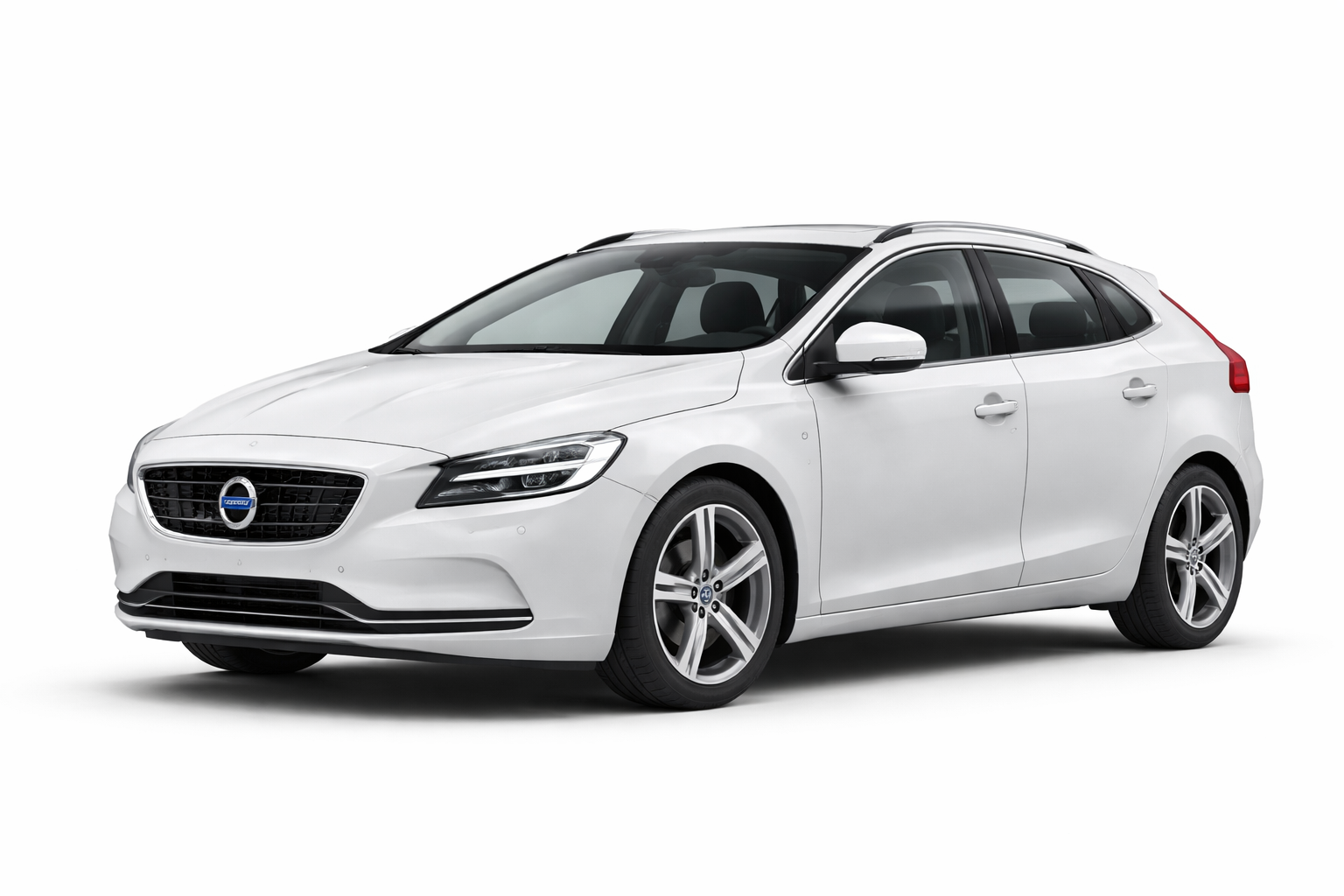
Volvo Sway Bar Parts
Sway bars (anti-roll bars) are steel torsion bars that connect left and right suspension components to reduce body roll during cornering. Volvos like the XC90, XC60, and V70 use front and rear sway bars with rubber bushings and drop links to keep the vehicle stable on SA's uneven roads and highway curves. Worn sway bar components cause excessive body lean, clunking noises, and compromised handling—critical safety issues for family-oriented Volvo SUVs and wagons.
Common Signs You Need New Sway Bar Parts
- Clunking or rattling noise from the front or rear suspension when driving over bumps or uneven roads
- Excessive body roll or lean when cornering, especially noticeable in taller models like the XC90 and XC60
- Knocking sound when turning the steering wheel at low speeds or navigating parking lots
- Uneven or accelerated tire wear on the inside or outside edges due to poor suspension geometry
- Loose or wandering steering feel, particularly on highway curves between Durban and Johannesburg
- Visible wear, cracks, or movement in sway bar bushings or damaged/bent drop links during visual inspection
Maintenance Tips
Regular maintenance helps extend the life of your Volvo sway bar components.
Inspect suspension components for wear, cracks, and oil leaks during every service
Replace worn bushings and ball joints promptly to prevent accelerated tyre wear and unsafe handling
Have wheel alignment checked after any suspension component replacement or if uneven tyre wear is noticed
About Volvo Sway Bar Parts
About Volvo Sway Bar Parts
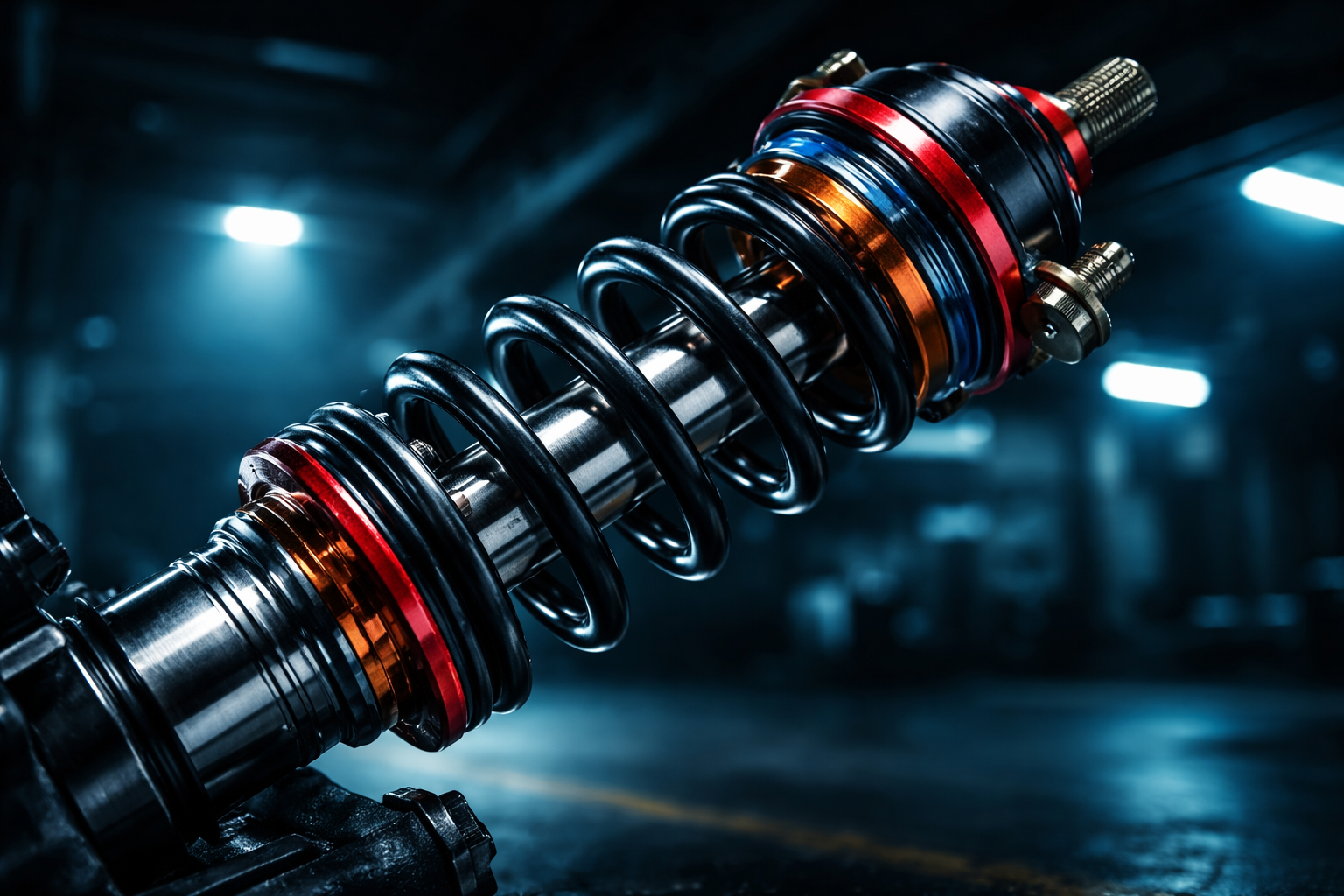
The suspension system connects a vehicle to its wheels and manages the forces between them. It comprises springs, shock absorbers (dampers), and linkages that control wheel movement, maintain tyre contact with the road, and absorb road irregularities. Modern suspension designs include MacPherson struts, multi-link, and double-wishbone configurations, each offering different trade-offs between ride comfort, handling precision, and packaging space.
Volvo models commonly use MacPherson strut front suspension with multi-link rear setups. The XC90 and XC60 SUVs feature advanced air suspension options for adjustable ride height and comfort, while performance models may include electronically controlled dampers.
Key Components
- Shock absorbers (dampers) and coil springs or strut assemblies
- Control arms (wishbones) and ball joints
- Anti-roll bar (sway bar) and drop links
- Bushings, bearings, and mounting hardware
- Steering knuckles and wheel hubs
How long do sway bar links and bushings last on a Volvo?
Sway bar links typically last 80,000–120,000 km on Volvos under normal conditions, but SA's potholed roads can reduce this to 50,000 km or less. Rubber bushings wear faster in coastal Durban humidity and dry Gauteng conditions, often needing replacement every 60,000–100,000 km. XC90 and XC60 models carry more weight and may wear components quicker than lighter S60 or V40 models.
What does sway bar repair cost for Volvo models in South Africa?
Sway bar drop links cost R400–R900 per side for most Volvo models (S60, V70, XC60), while bushings run R250–R600 per set. Labour for replacement typically adds R800–R1,500 depending on accessibility—XC90 rear sway bar work can be more complex. A full front sway bar overhaul (links and bushings both sides) usually totals R2,500–R4,500 fitted.
Can I drive my Volvo with a broken sway bar link?
You can drive short distances, but it's unsafe for normal use—broken links cause unpredictable handling, excessive body roll, and clunking noises. The remaining good link takes extra load and will fail quickly, and your XC90 or XC60 becomes unstable in emergency maneuvers. Replace failed links immediately before attempting highway driving or long trips.
Do all Volvo models have front and rear sway bars?
Most Volvos have front sway bars as standard, while rear bars vary by model and trim level. XC90, XC60, and V60 typically have both for better handling, while some S40 and V40 base models only have front bars. Performance T6 and R-Design variants always include rear sway bars for improved cornering stability on SA roads.
What causes sway bar bushings to wear out faster in South Africa?
Potholes, speed bumps, and gravel roads accelerate rubber bushing deterioration, especially on Durban's coastal roads where salt air causes rubber degradation. Temperature extremes between Gauteng winters and coastal summers also harden and crack the rubber. XC-series SUVs experience more bushing stress due to higher ride height and weight compared to S60 or V70 sedans.
You May Also Need
Helpful Resources
Official Volvo South Africa information on current models and service requirements
Technical explanation of how sway bars work and their role in vehicle dynamics
South African automotive safety standards and maintenance guidelines

Need Volvo Sway Bar Parts?
Quality-tested parts, warranty included, nationwide delivery.