




Volvo S80 Oxygen Sensors
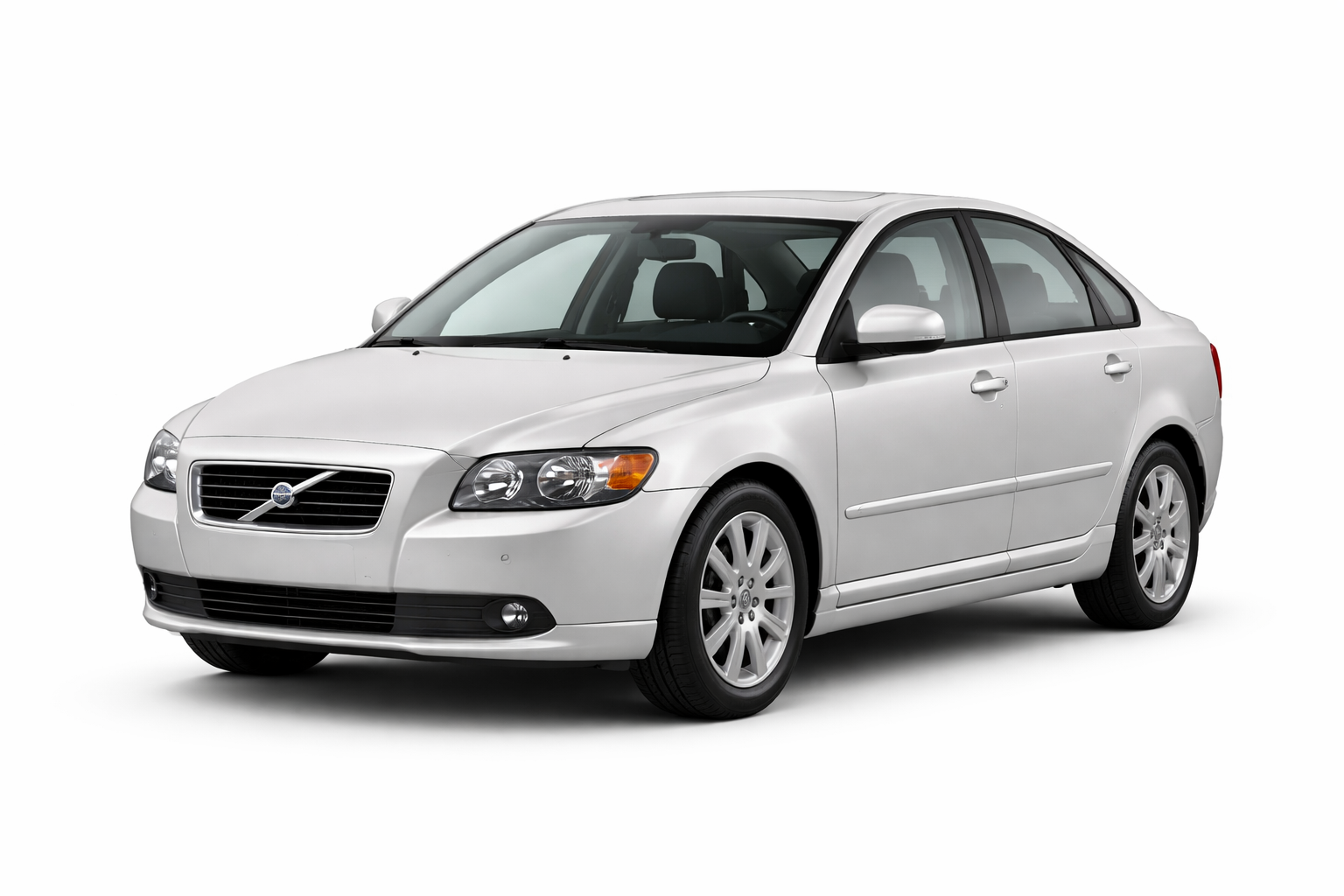
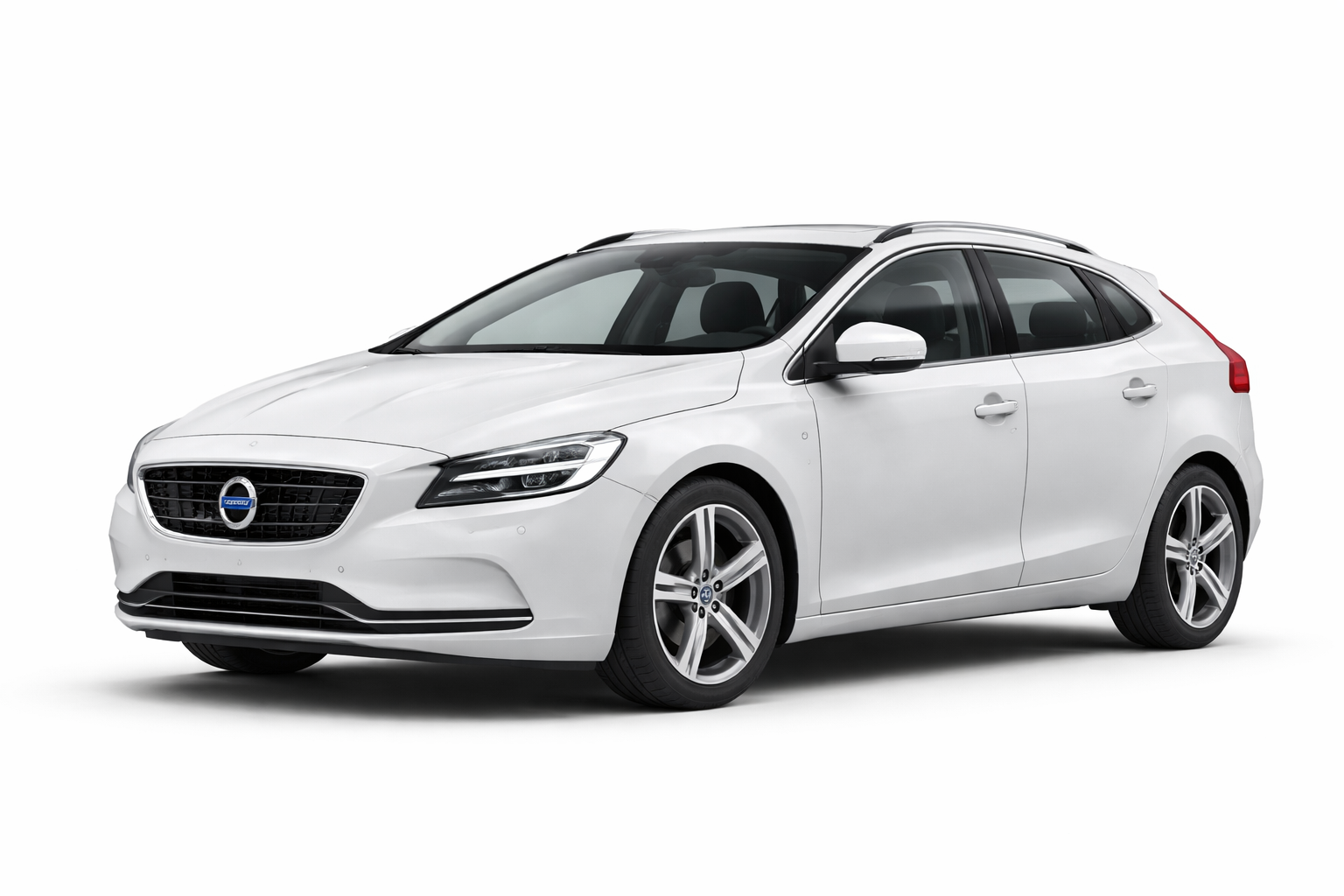
Oxygen sensors (O2 sensors) monitor exhaust gas oxygen levels to help your Volvo's ECU optimize the air-fuel mixture for efficient combustion. Volvo models like the XC90, S60, V70, and XC60 typically have 2-4 sensors—upstream (pre-cat) and downstream (post-cat)—with turbocharged engines like the T5 and D5 being particularly sensitive to sensor performance. In South African driving conditions with varying fuel quality, these sensors are critical for maintaining fuel economy and preventing catalytic converter damage. We supply inspected Volvo S80 oxygen sensors compatible with the 1998-2016 range, with warranty included and nationwide courier delivery.

Part Type
Oxygen Sensors
Fits
Volvo S80
Common Signs You Need a New Oxygen Sensors
Common Questions About Oxygen Sensors
How much does it cost to replace oxygen sensors on a Volvo in South Africa?
Oxygen sensors for Volvo models typically cost R800–R2,500 per sensor depending on the model and whether it's OEM or aftermarket. XC90 and XC60 models with T6 or D5 engines may require multiple sensors, bringing total parts cost to R3,000–R8,000 for a full replacement. Labour at independent workshops in Durban or Johannesburg adds R500–R1,200 depending on sensor location and accessibility.
Can you repair a faulty oxygen sensor or must it be replaced?
Oxygen sensors cannot be repaired—they contain delicate ceramic elements and platinum electrodes that degrade over time and must be replaced as a unit. Attempting to clean or repair them is ineffective and wastes time. Always replace faulty O2 sensors with quality parts to restore proper engine management.
How do I test an oxygen sensor on my Volvo S60 or XC90?
Use a multimeter set to DC voltage on the sensor's signal wire with the engine at operating temperature—a healthy sensor fluctuates between 0.1V and 0.9V as the engine cycles rich and lean. Alternatively, use an OBD-II scanner to read live data and check sensor response time and voltage range. If readings are stuck at 0.45V or don't fluctuate, the sensor is faulty.
Can I still drive my Volvo with a bad oxygen sensor?
You can drive short distances, but don't continue long-term as the engine runs on incorrect fuel mixture, reducing economy by 15-25% and potentially clogging your catalytic converter (R8,000–R18,000 to replace). T5 and D5 engines are particularly sensitive and may enter limp mode. Replace faulty sensors promptly to avoid expensive downstream damage.
How many oxygen sensors does my Volvo have and where are they located?
Most modern Volvos like the XC60, S60, and V70 have 2-4 sensors: Bank 1 and Bank 2 upstream sensors before the catalytic converter, and downstream sensors after the cat to monitor efficiency. Five-cylinder models (T5, D5) typically have 2 sensors, while six-cylinder T6 engines have 4. Check your owner's manual or use an OBD scanner to identify which sensor is faulty.
Helpful Resources
Official Volvo South Africa website with model specifications and service information
Technical explanation of how automotive oxygen sensors work and their role in engine management
Automobile Association of South Africa resources on vehicle maintenance and diagnostics

Need Volvo S80 Oxygen Sensors?
Our specialists will source the exact part you need with fast, nationwide delivery.