




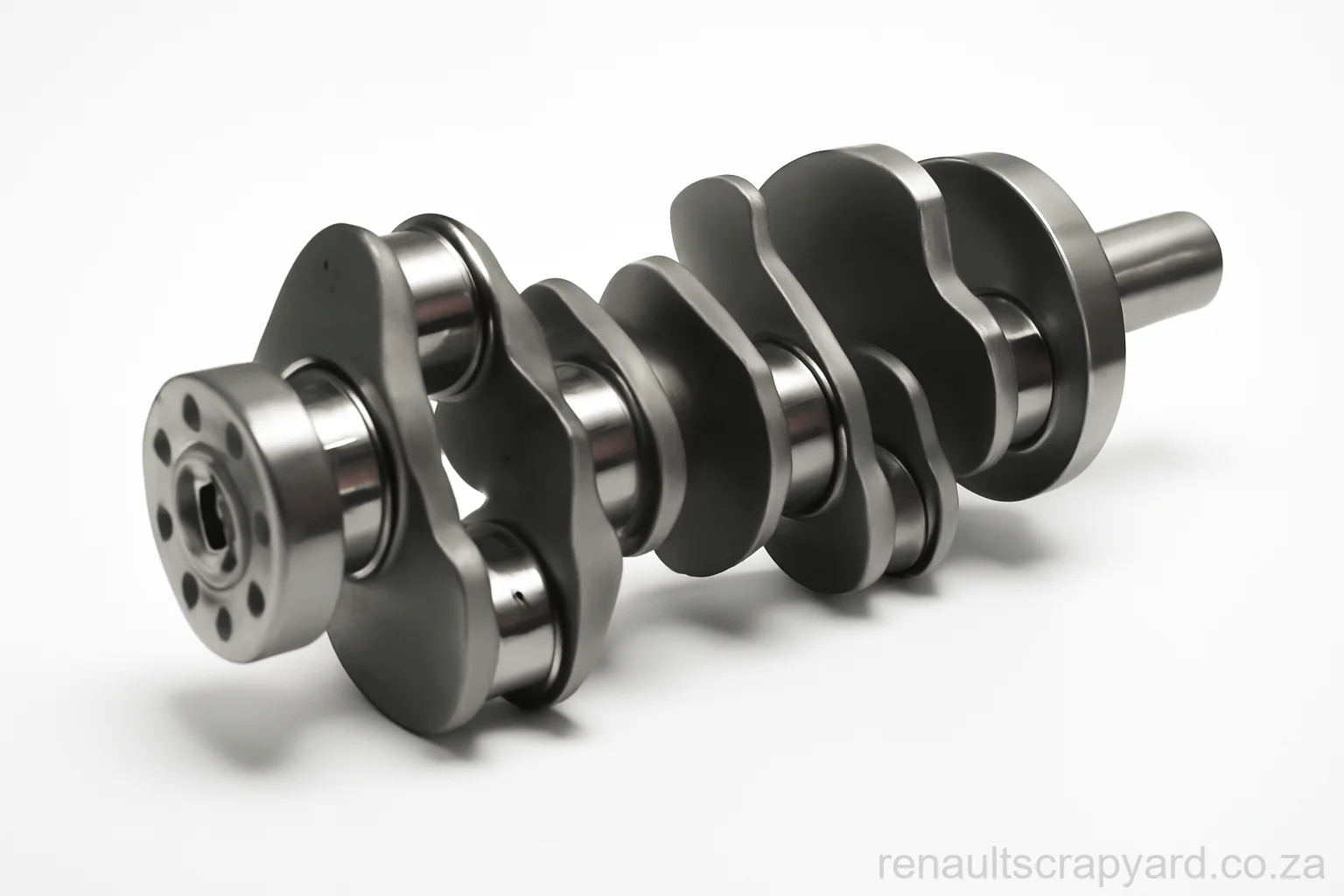
Volvo S90 Timing Belts
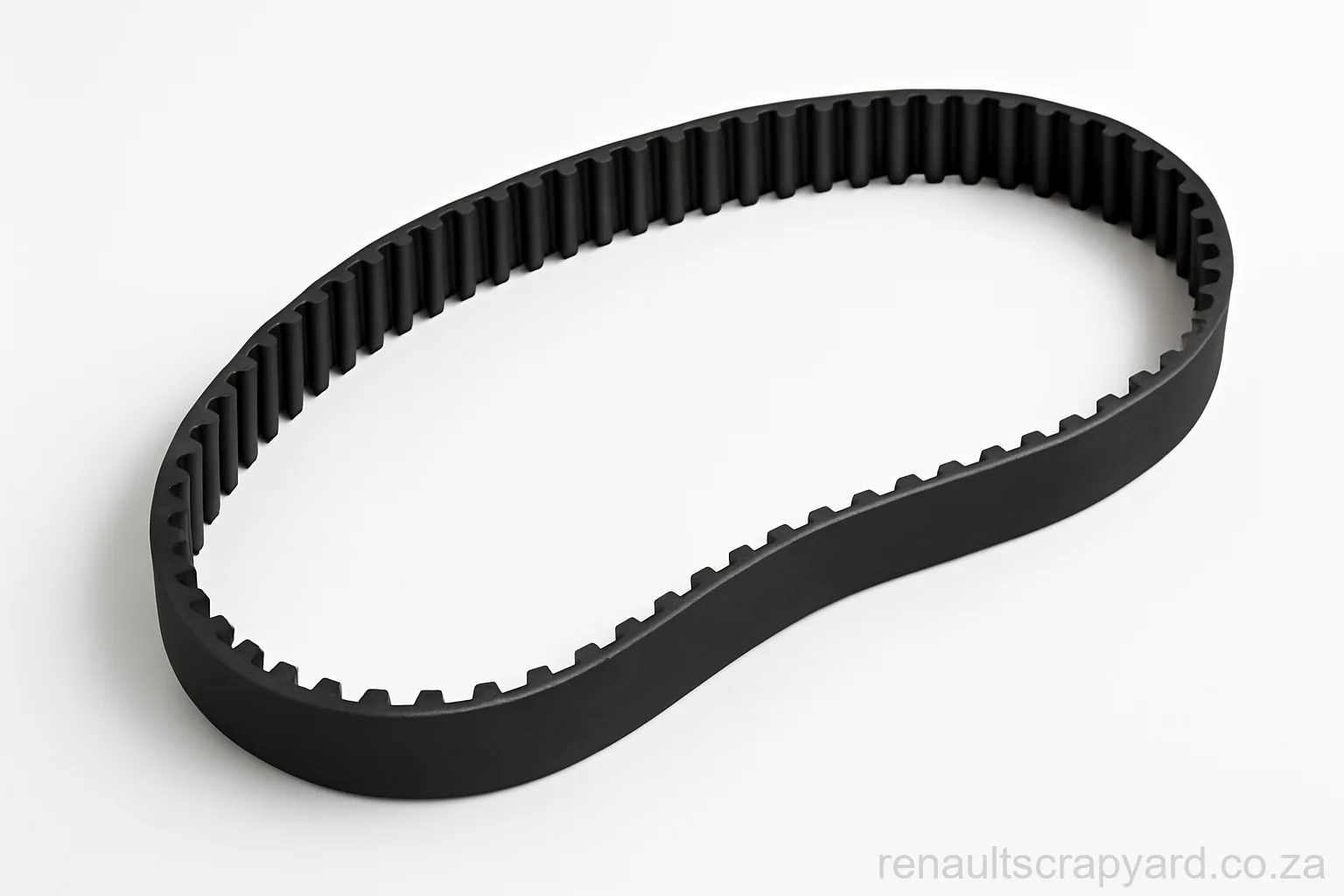
Timing belts synchronize your Volvo's crankshaft and camshaft rotation, ensuring valves open and close at precisely the right moments during combustion. Most Volvo engines (T5, D5, older 5-cylinder models in S60/V70/XC90) use timing belts that require replacement every 120,000–160,000 km or 5–7 years, whichever comes first. South African heat and dust accelerate belt degradation, making scheduled replacement critical to prevent catastrophic engine damage. We supply inspected Volvo S90 timing belts compatible with the 2016-present range, with warranty included and nationwide courier delivery.
Part Type
Timing Belts
Fits
Volvo S90
Common Signs You Need a New Timing Belts
Common Questions About Timing Belts
How much does a Volvo timing belt replacement cost in South Africa?
Expect to pay R3,500–R8,500 for a complete timing belt kit including labour in Durban, Johannesburg, or Cape Town. The job typically includes the belt, tensioner, idler pulleys, and water pump (recommended replacement). Larger engines like the XC90 T6 or D5 may cost toward the higher end due to complexity.
Which Volvo engines use timing belts versus timing chains?
Most older Volvo 5-cylinder engines (T5, D5 in XC90/S60/V70 2000–2014) use timing belts requiring regular replacement. Newer Drive-E 4-cylinder engines (2015+ T5/T6/D4) and the T8 plug-in hybrid use timing chains that don't need scheduled replacement. Classic 240/740/940 models also used timing belts.
What happens if my Volvo timing belt breaks while driving?
Most Volvo engines are interference designs, meaning pistons and valves occupy the same space at different times. A broken belt causes valves to collide with pistons, resulting in bent valves, damaged pistons, and potential head or block damage—easily R25,000–R60,000 in repairs. Prevention through timely replacement is far cheaper than engine rebuilds.
Can I replace just the timing belt or should I do the full kit?
Always replace the full kit including tensioner, idler pulleys, and water pump (which shares the same labour access). Tensioners and pulleys wear at similar rates to the belt, and water pump failure shortly after belt replacement means repeating the expensive labour. A complete kit costs R2,200–R4,500 for parts at Volvo Spares Scrap Yard.
How often should I replace my Volvo timing belt in South African conditions?
Follow Volvo's 120,000 km or 5-year interval, but consider earlier replacement (100,000 km or 4 years) in harsh Durban humidity or Gauteng stop-start traffic. Heat, dust, and short trips accelerate rubber degradation. Keep service records—many used Volvos in SA have unknown timing belt history, making immediate replacement advisable on purchase.
Helpful Resources
Official Volvo SA site with service interval guidelines and maintenance schedules for all models.
Trusted automotive advice on timing belt maintenance intervals and warning signs from South Africa's leading motoring organization.
Technical overview of timing belt function, interference vs non-interference engines, and replacement considerations.

Need Volvo S90 Timing Belts?
Our specialists will source the exact part you need with fast, nationwide delivery.