




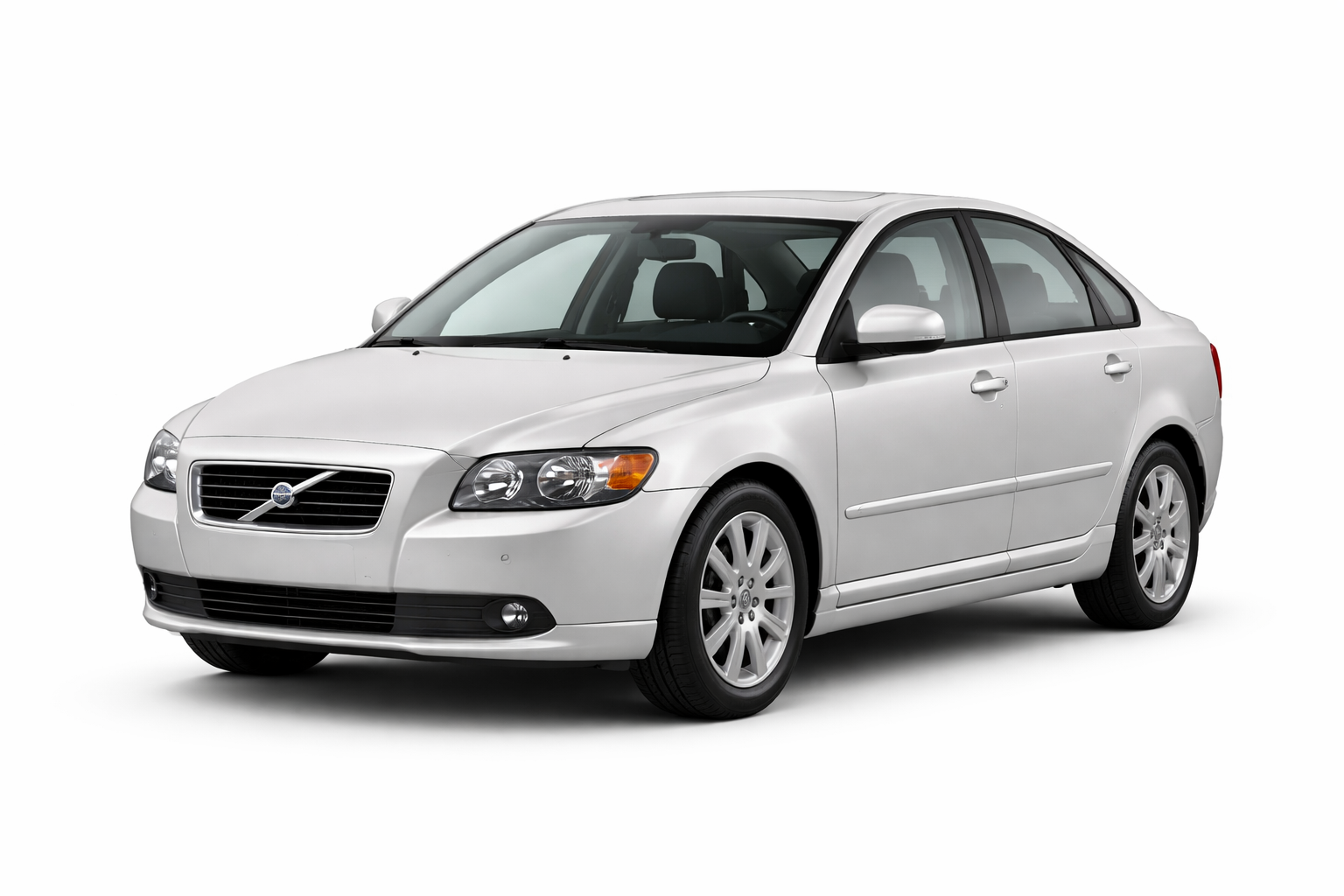
Volvo V50 Radiator Caps
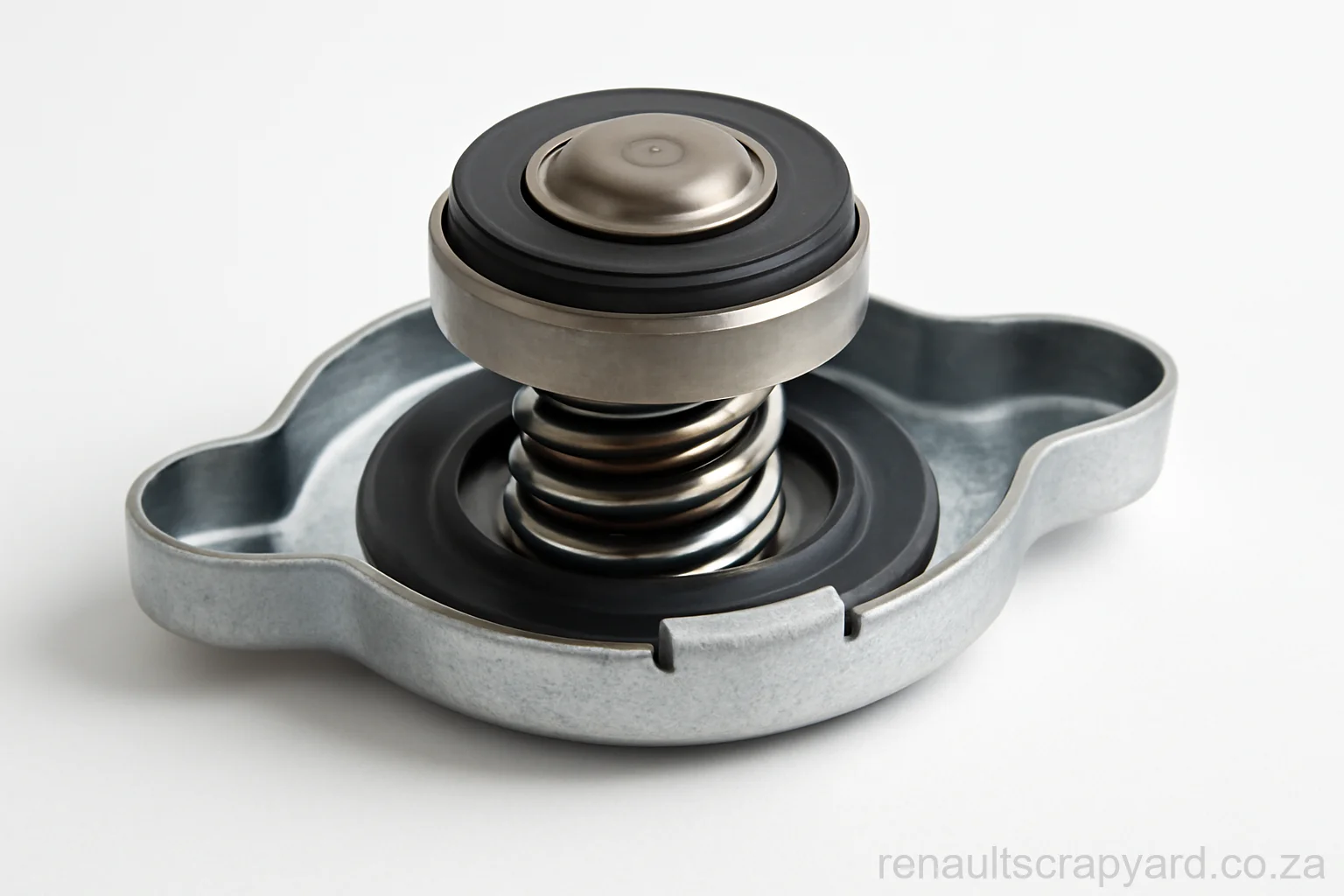
Radiator caps are pressure-rated sealing components that maintain optimal coolant system pressure in Volvo engines, typically rated at 0.9 to 1.3 bar depending on the model. They prevent coolant boiling at normal operating temperatures (around 90-100°C) and allow excess pressure to vent to the expansion tank, critical for SA's hot climate conditions. Modern Volvos like the XC60, S60, and V60 use expansion tank caps rather than traditional radiator caps, while older models like the 240, 740, and first-generation XC90 have dedicated radiator caps. We supply inspected Volvo V50 radiator caps compatible with the 2004-2012 range, with warranty included and nationwide courier delivery.
Part Type
Radiator Caps
Fits
Volvo V50
Common Signs You Need a New Radiator Caps
Common Questions About Radiator Caps
Can I drive my XC90 without a radiator cap if it's lost or damaged?
No, don't drive without a proper cap—modern Volvos like the XC90 (especially D5 and T6 models) operate at higher pressures and temperatures that will cause immediate coolant boiling and overheating. You risk severe engine damage including warped cylinder heads or blown head gaskets. A replacement cap costs R150–R450 depending on whether it's for the radiator or expansion tank.
How do I know which pressure rating radiator cap my Volvo needs?
Check your owner's manual or the existing cap—most modern Volvos (XC60, S60, V70) use 1.0–1.3 bar caps, while older models like the 850 and 940 typically use 0.9 bar. Using the wrong pressure can cause leaks (too high) or premature boiling (too low), especially in SA's heat. Your cap should match the original specification stamped on the old unit.
Are radiator caps universal across different Volvo models?
No, Volvo uses different cap types—older models like the 240/740/940 have traditional radiator caps, while newer models (2000+) like the S60, XC90, and V70 use expansion tank caps with different neck sizes and pressure ratings. The cap design also varies between naturally aspirated and turbocharged engines (T5/T6/D5). Always match the cap to your specific model and year.
What's the difference between 0.9 bar and 1.1 bar caps for my V70?
Higher pressure (1.1 bar) raises the coolant boiling point, allowing turbocharged models like the T5 and D5 V70 to run hotter without boiling over—essential for performance engines. Using a lower-rated cap risks overheating in SA's climate, while using too high a rating on an older system can burst aging hoses. Stick to the manufacturer's specification for your specific engine variant.
How often should I replace my Volvo's radiator or expansion tank cap?
Replace the cap every 3–5 years or if you notice any signs of failure—the rubber seals deteriorate over time, especially in hot climates like Durban and Johannesburg. It's cheap insurance (R150–R450) compared to repairing overheating damage. Many mechanics replace it routinely during major cooling system services on high-mileage XC90s, S60s, and V70s.
Helpful Resources
Official Volvo owner's manuals with cooling system specifications for your specific model
Practical advice on handling overheating situations and cooling system maintenance in SA conditions
Technical explanation of how pressure caps work in automotive cooling systems

Need Volvo V50 Radiator Caps?
Our specialists will source the exact part you need with fast, nationwide delivery.