
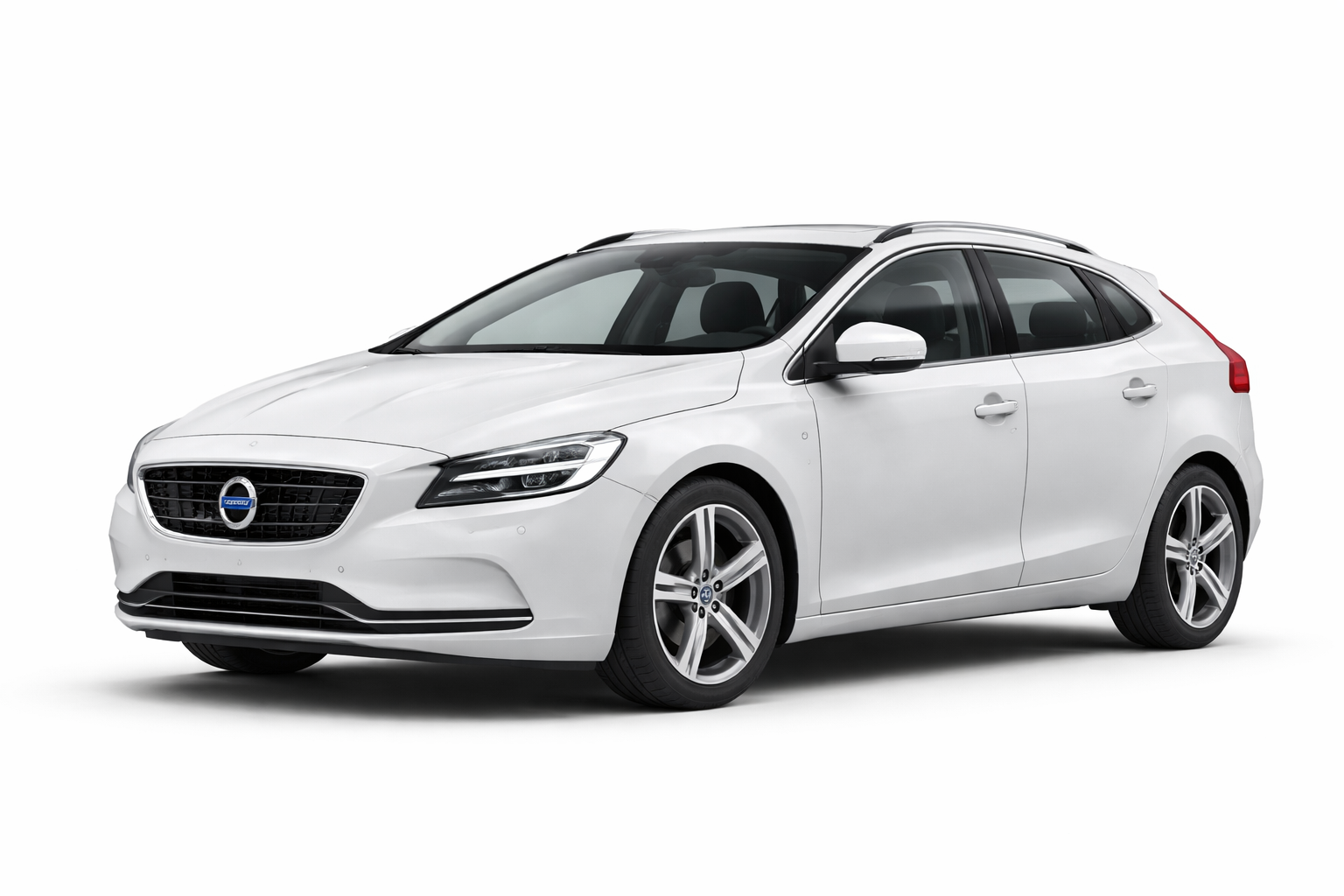
Volvo XC40 Master Cylinder Parts
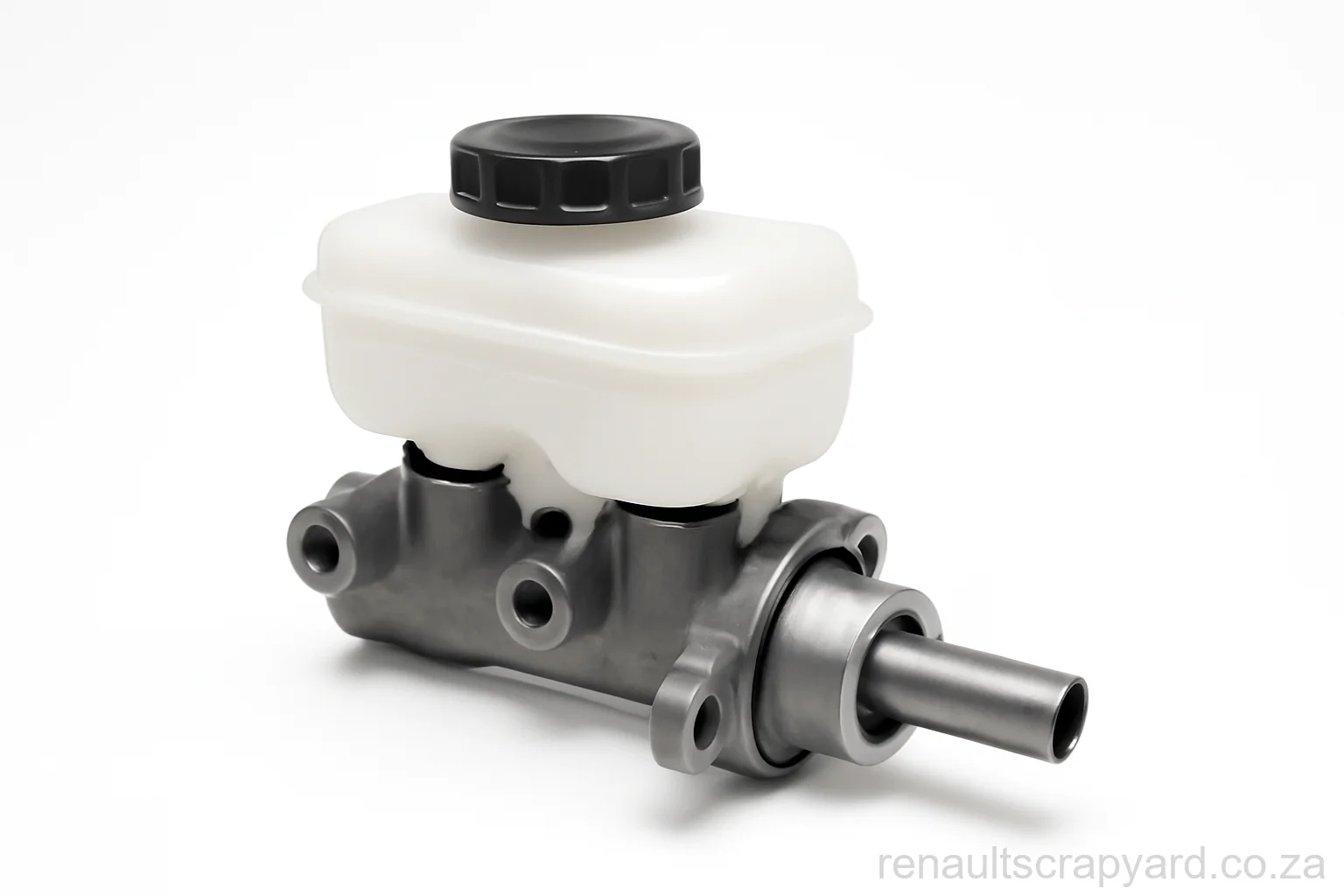
The master cylinder is the heart of your Volvo's hydraulic brake system, converting pedal pressure into hydraulic force that applies the brakes at all four wheels. Common across all Volvo models from the classic 240/740 series through to modern XC90 and S60 models, it contains a dual-chamber design that splits pressure between front and rear circuits for safety. In South Africa's varied driving conditions—from Durban's humid coastal roads to Johannesburg's highveld altitude—a properly functioning master cylinder is critical for reliable braking performance.
Common Signs You Need New Master Cylinder Parts
- Brake pedal feels spongy or sinks slowly to the floor when holding constant pressure, indicating internal seal failure
- Brake fluid level drops repeatedly in the reservoir despite no visible external leaks around wheel cylinders or calipers
- Brake warning light illuminates on the dashboard, particularly common in XC90 and XC60 models with electronic brake monitoring
- Uneven braking or pulling to one side when applying brakes, suggesting one chamber of the dual-circuit system has failed
- Visible brake fluid leaking from the rear of the master cylinder where it mounts to the brake booster
- Increased pedal effort required to stop the vehicle, especially noticeable in heavier models like the XC90 or V70
Maintenance Tips
Inspect brake pads and discs at every service interval; replace pads before they wear to the minimum thickness
Flush and replace brake fluid every two years to prevent moisture contamination and corrosion
Have brake discs measured for thickness and runout if you experience vibration during braking
About Volvo XC40 Master Cylinder Parts
Technical Overview
Automotive braking systems use friction to convert kinetic energy into heat, slowing or stopping the vehicle. Most modern vehicles use disc brakes on all four wheels, with a hydraulic system transmitting pedal force to brake callipers that press pads against rotating discs (rotors). The system is assisted by a vacuum or electric brake booster and monitored by ABS (Anti-lock Braking System) sensors to prevent wheel lockup during hard braking.
Volvo has been a pioneer in vehicle safety, and their braking systems reflect this heritage. Many Volvo models feature advanced systems like City Safety automatic emergency braking and include generously sized ventilated disc brakes as standard.
Key Components
- Brake discs (rotors) and brake pads
- Brake callipers and calliper mounting brackets
- Brake master cylinder and brake fluid reservoir
- ABS module and wheel speed sensors
- Brake lines, hoses, and brake booster
How much does a Volvo master cylinder replacement cost in South Africa?
Master cylinder replacement for most Volvo models ranges from R2,500 to R5,500 including the part and labour in Durban, Johannesburg, or Cape Town. XC90 and newer XC60 models with electronic brake systems tend toward the higher end, while older S40, V40, and C30 models are more affordable. The part itself typically costs R1,800–R3,800, with labour adding R700–R1,700 depending on workshop rates.
What causes a Volvo master cylinder to fail?
Internal rubber seals deteriorate over time from heat, moisture contamination in brake fluid, or age—particularly common in South Africa's coastal humidity around Durban. Volvo recommends brake fluid replacement every two years to prevent moisture buildup that corrodes internal components. Models like the XC70, V70, and older S60 with 200,000+ km commonly experience seal failure if fluid changes were neglected.
Can I drive my Volvo with a failing master cylinder?
Never drive with a suspected master cylinder failure—the dual-circuit design means one chamber may still provide partial braking, but complete failure can happen without warning. This is especially dangerous in heavier Volvo models like the XC90 T6 or D5 which require full braking capacity. Have the vehicle towed to a workshop immediately if you experience pedal sinking or significant fluid loss.
Are master cylinders different between Volvo petrol and diesel models?
Master cylinders are typically identical across petrol (T5, T6) and diesel (D5, D4) variants of the same model, as the braking system design doesn't change with engine type. An XC60 D5 uses the same master cylinder as an XC60 T5, though models with electronic brake force distribution or stability control may have additional sensors. Always verify the part number matches your specific year and brake system specification.
You May Also Need
Common Questions About Master Cylinder Parts
How much does a Volvo master cylinder replacement cost in South Africa?
Master cylinder replacement for most Volvo models ranges from R2,500 to R5,500 including the part and labour in Durban, Johannesburg, or Cape Town. XC90 and newer XC60 models with electronic brake systems tend toward the higher end, while older S40, V40, and C30 models are more affordable. The part itself typically costs R1,800–R3,800, with labour adding R700–R1,700 depending on workshop rates.
What causes a Volvo master cylinder to fail?
Internal rubber seals deteriorate over time from heat, moisture contamination in brake fluid, or age—particularly common in South Africa's coastal humidity around Durban. Volvo recommends brake fluid replacement every two years to prevent moisture buildup that corrodes internal components. Models like the XC70, V70, and older S60 with 200,000+ km commonly experience seal failure if fluid changes were neglected.
Can I drive my Volvo with a failing master cylinder?
Never drive with a suspected master cylinder failure—the dual-circuit design means one chamber may still provide partial braking, but complete failure can happen without warning. This is especially dangerous in heavier Volvo models like the XC90 T6 or D5 which require full braking capacity. Have the vehicle towed to a workshop immediately if you experience pedal sinking or significant fluid loss.
Are master cylinders different between Volvo petrol and diesel models?
Master cylinders are typically identical across petrol (T5, T6) and diesel (D5, D4) variants of the same model, as the braking system design doesn't change with engine type. An XC60 D5 uses the same master cylinder as an XC60 T5, though models with electronic brake force distribution or stability control may have additional sensors. Always verify the part number matches your specific year and brake system specification.
What's inside a Volvo master cylinder and how does it work?
The master cylinder contains two pistons with rubber seals, return springs, and separate fluid reservoirs for front and rear brake circuits—visible as the dual-chamber reservoir on top. When you press the brake pedal in your S60, V60, or XC40, both pistons pressurize brake fluid simultaneously, sending it through steel lines to activate the calipers and wheel cylinders. If one circuit fails, the other maintains partial braking capability as a safety backup.
Helpful Resources
Official Volvo South Africa information on brake system maintenance intervals and specifications
AA South Africa guidance on brake system safety and roadworthy requirements
Detailed technical explanation of hydraulic master cylinder operation and dual-circuit brake systems
Need Volvo XC40 Master Cylinder Parts?
Our specialists will source the exact part you need with fast, nationwide delivery.