
Volvo 850 Brake Fluid Parts
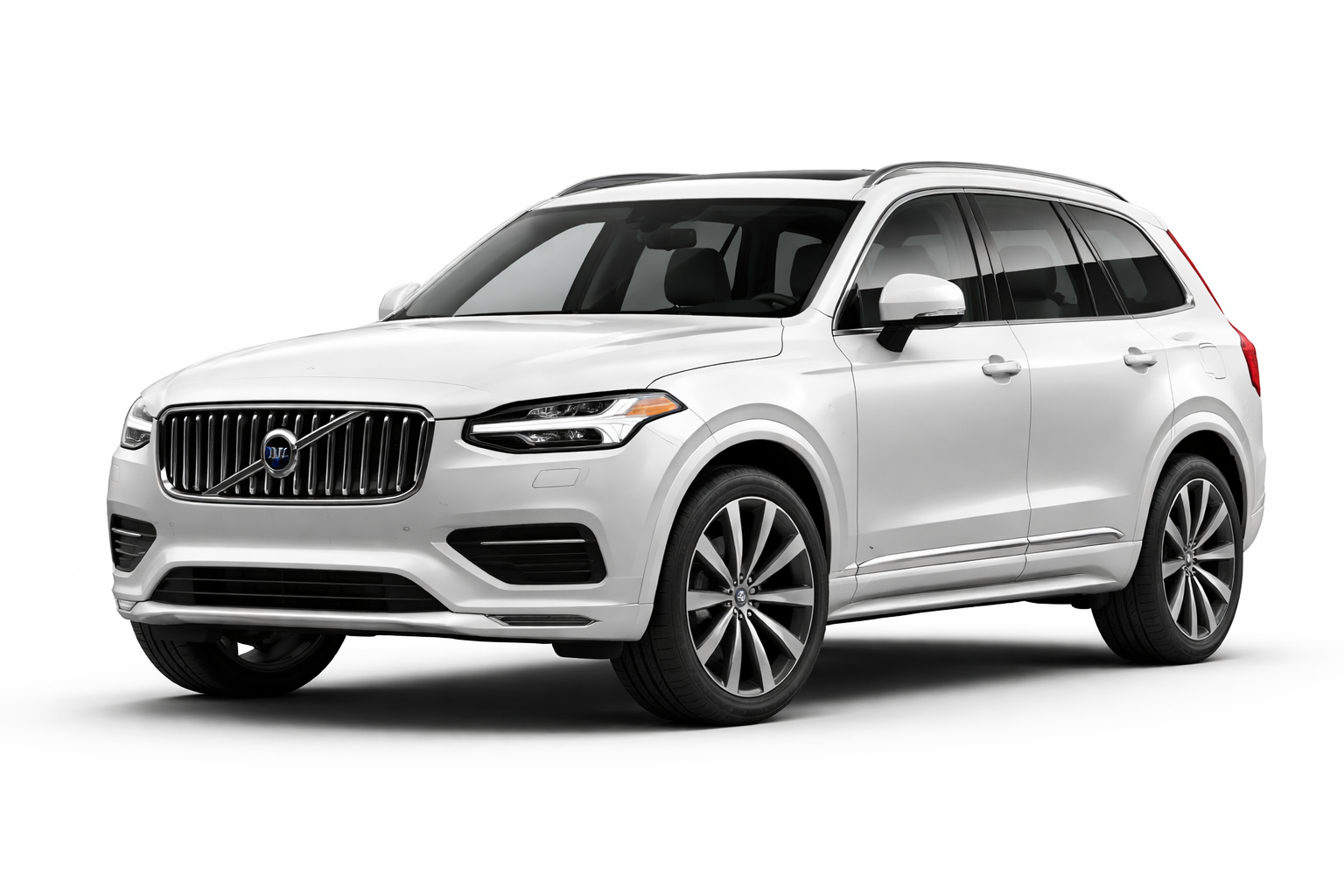
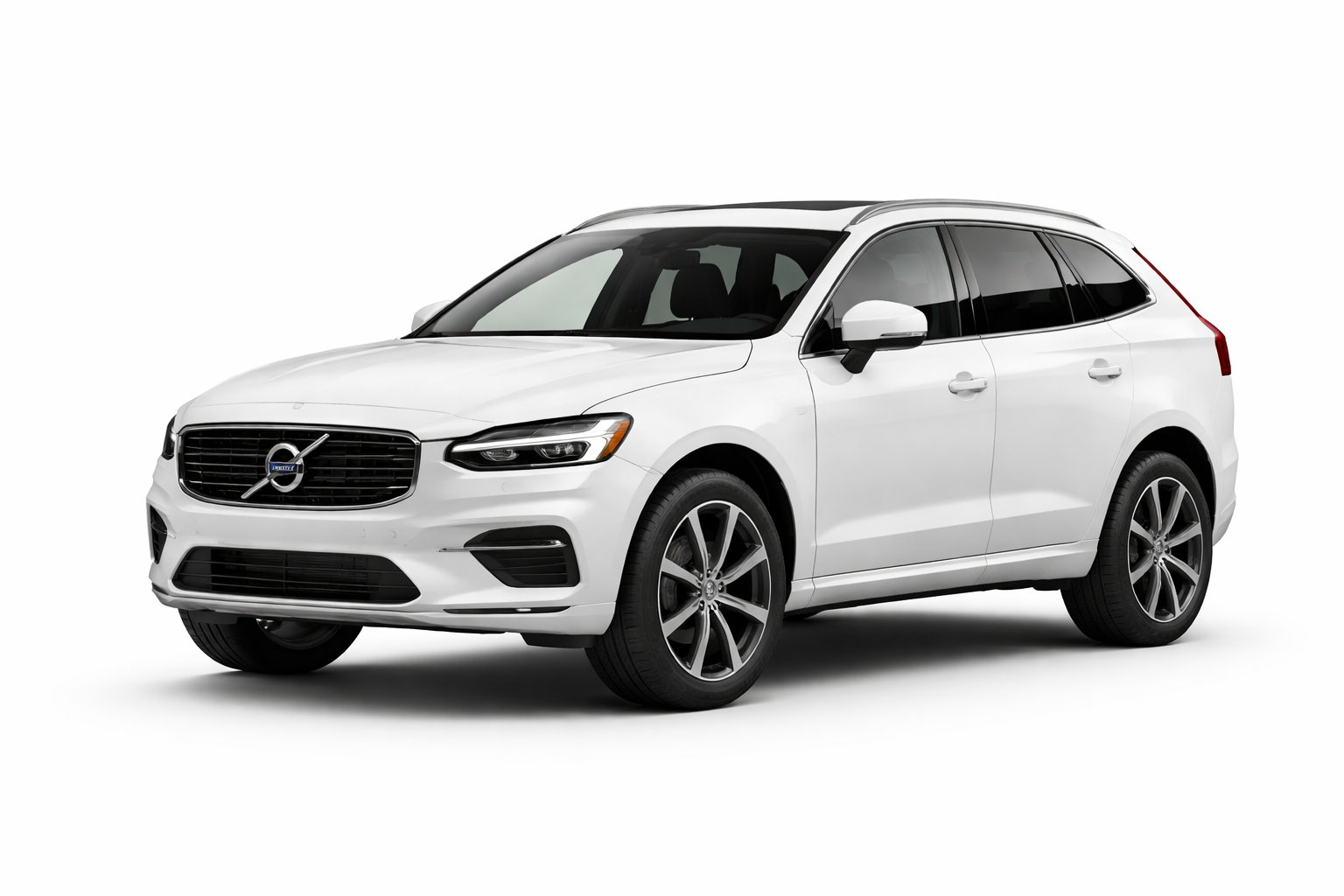
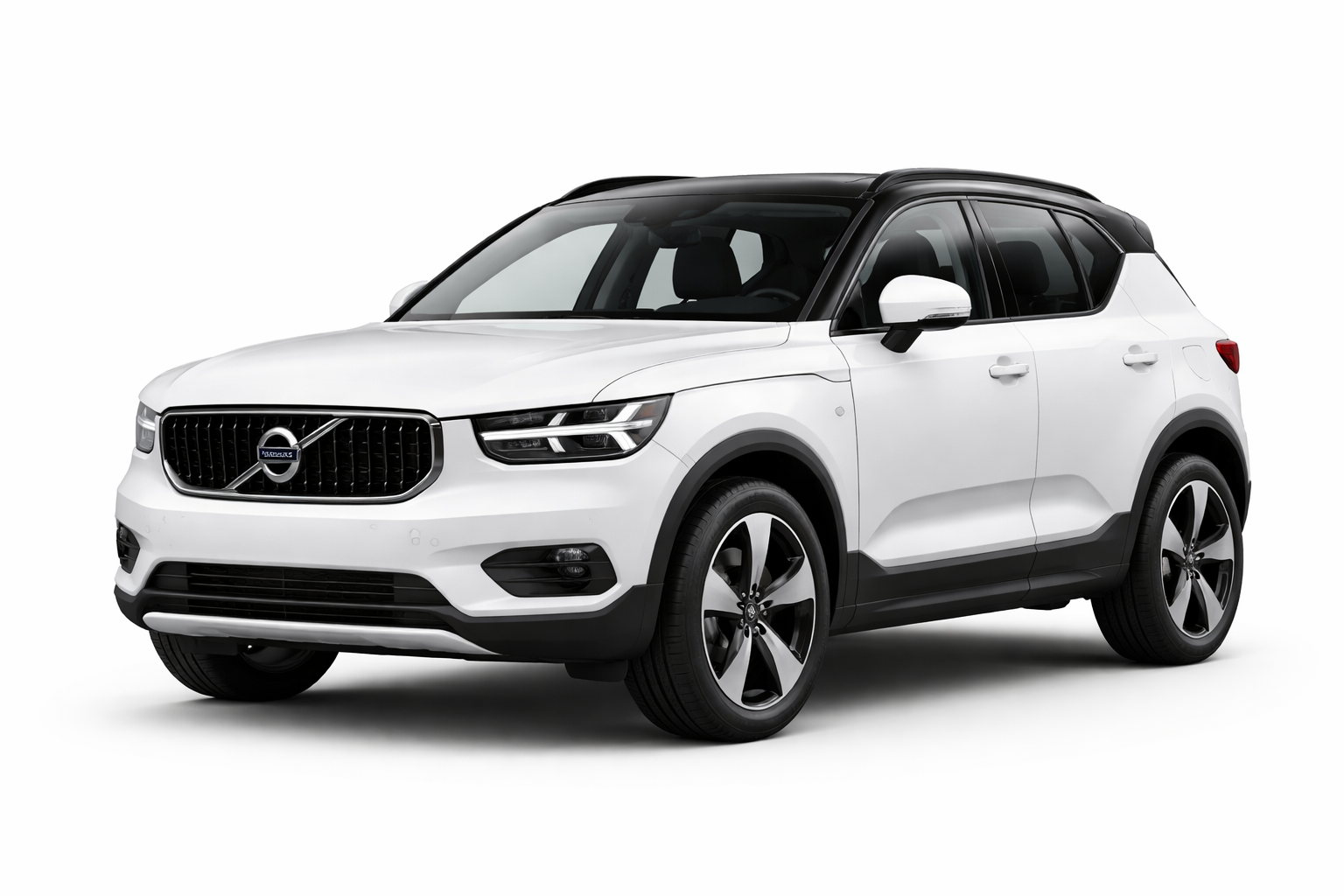
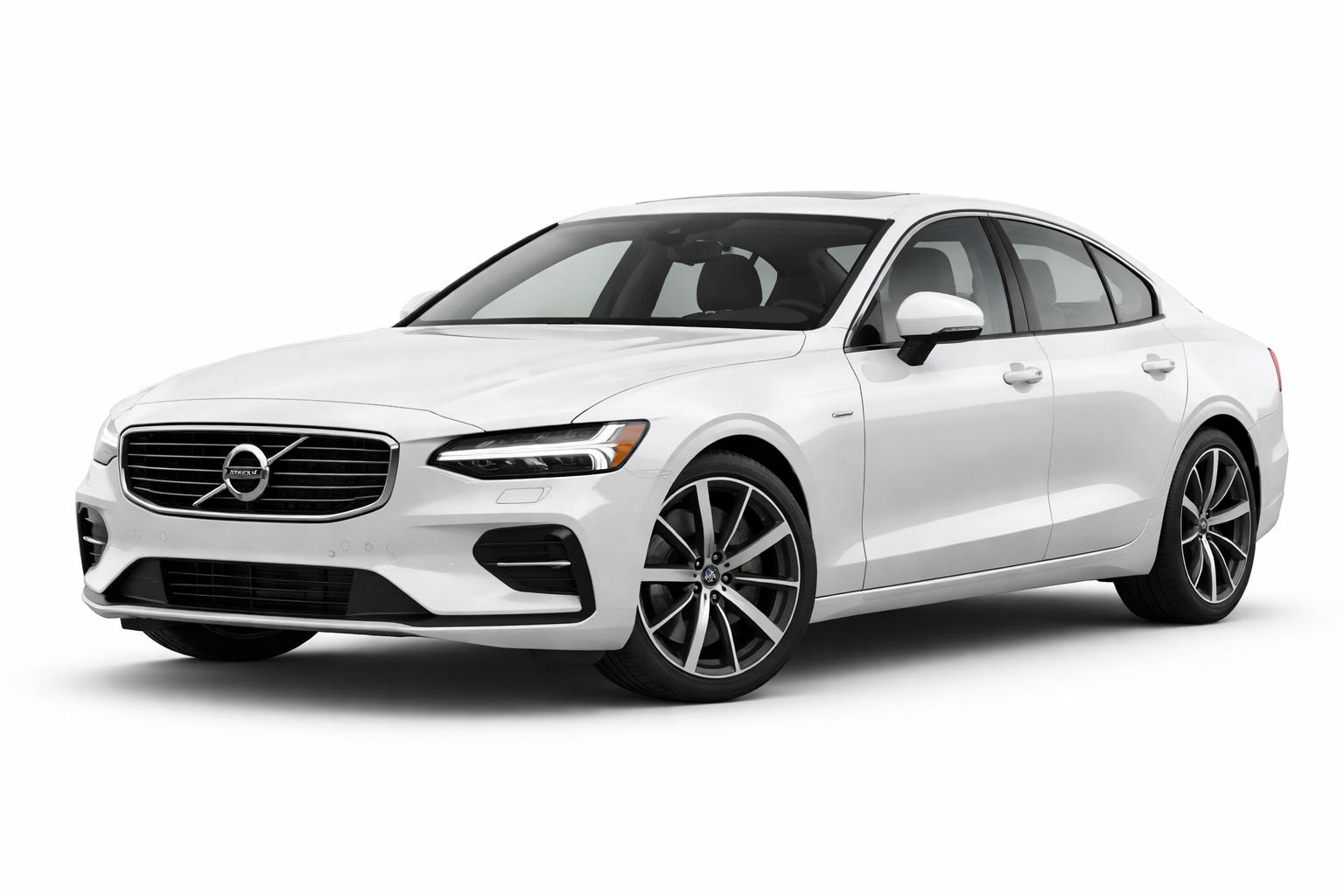
Brake fluid is a hydraulic fluid that transfers force from your brake pedal to the brake calipers, essential for safe stopping in all Volvo models from the classic 240 to modern XC90s. Volvo specifies DOT 4 brake fluid for most vehicles, which is hygroscopic and absorbs moisture over time, reducing boiling point and braking effectiveness. In South African conditions with temperature extremes from Durban's humidity to Gauteng's dry heat, brake fluid should be replaced every 2 years or 40,000km to maintain optimal braking performance in your XC60, S60, or V70.
Common Signs You Need New Brake Fluid Parts
- Brake pedal feels spongy or soft when pressed, indicating air or moisture contamination in the brake fluid system.
- Brake warning light illuminates on your Volvo's dashboard, particularly common in XC90 and XC60 models with electronic brake monitoring.
- Brake fluid in the reservoir appears dark brown or black instead of clear amber, showing contamination and age.
- Increased stopping distance or reduced brake response, especially noticeable when braking hard on Durban's hills or Johannesburg highways.
- ABS or stability control systems activate unexpectedly during normal braking in your S60 or V40.
- Visible moisture or low fluid level in the brake fluid reservoir under the bonnet, requiring immediate top-up.
Maintenance Tips
Inspect brake pads and discs at every service interval; replace pads before they wear to the minimum thickness
Flush and replace brake fluid every two years to prevent moisture contamination and corrosion
Have brake discs measured for thickness and runout if you experience vibration during braking
About Volvo 850 Brake Fluid Parts
Technical Overview
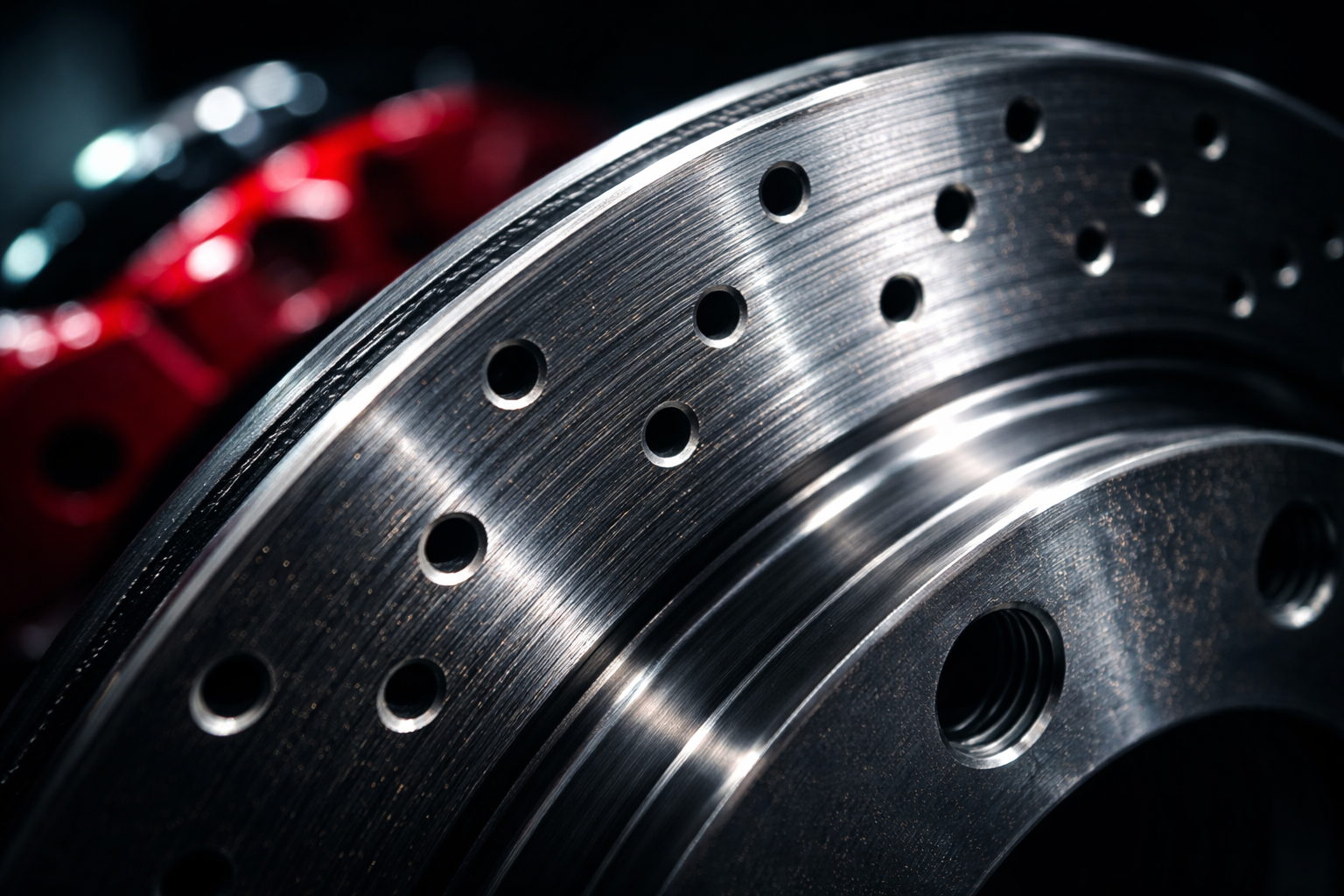
Automotive braking systems use friction to convert kinetic energy into heat, slowing or stopping the vehicle. Most modern vehicles use disc brakes on all four wheels, with a hydraulic system transmitting pedal force to brake callipers that press pads against rotating discs (rotors). The system is assisted by a vacuum or electric brake booster and monitored by ABS (Anti-lock Braking System) sensors to prevent wheel lockup during hard braking.
Volvo has been a pioneer in vehicle safety, and their braking systems reflect this heritage. Many Volvo models feature advanced systems like City Safety automatic emergency braking and include generously sized ventilated disc brakes as standard.
Key Components
- Brake discs (rotors) and brake pads
- Brake callipers and calliper mounting brackets
- Brake master cylinder and brake fluid reservoir
- ABS module and wheel speed sensors
- Brake lines, hoses, and brake booster
What type of brake fluid does my Volvo use?
Most Volvo models including XC90, XC60, S60, V70, and V40 use DOT 4 brake fluid, which meets the hygroscopic and boiling point requirements for modern ABS and stability control systems. Some older 240, 740, and 940 models used DOT 3, but DOT 4 is backward compatible. Always check your owner's manual or the brake fluid reservoir cap for confirmation—never mix DOT 4 with DOT 5 silicone-based fluid.
How much does brake fluid cost for a Volvo in South Africa?
A 500ml bottle of quality DOT 4 brake fluid costs R80–R150 at most suppliers, while a full brake fluid flush for an XC90 or S60 typically requires 1–1.5 litres costing R160–R300 in fluid alone. Labour for a complete system flush at an independent workshop in Durban or Johannesburg runs R400–R800, making total cost around R600–R1,100 depending on your Volvo model.
Can I top up brake fluid myself on my Volvo?
Yes, you can safely top up brake fluid by opening the reservoir under the bonnet—it's clearly marked on all Volvo models from the C30 to XC90. Use only fresh DOT 4 fluid from a sealed bottle, and don't overfill past the MAX line. If your fluid level drops frequently, you likely have a leak in the brake lines or calipers that needs immediate attention at a workshop.
How often should I replace brake fluid in my Volvo?
Volvo recommends brake fluid replacement every 2 years or 40,000km, whichever comes first, for all models including XC60, S60, V70, and XC90. South Africa's humid coastal conditions (Durban, Cape Town) accelerate moisture absorption, while high-temperature driving inland (Gauteng) degrades fluid faster. Neglecting replacement can lead to brake fade, corrosion in ABS components, and expensive repairs exceeding R5,000–R15,000.
You May Also Need
Common Questions About Brake Fluid Parts
What type of brake fluid does my Volvo use?
Most Volvo models including XC90, XC60, S60, V70, and V40 use DOT 4 brake fluid, which meets the hygroscopic and boiling point requirements for modern ABS and stability control systems. Some older 240, 740, and 940 models used DOT 3, but DOT 4 is backward compatible. Always check your owner's manual or the brake fluid reservoir cap for confirmation—never mix DOT 4 with DOT 5 silicone-based fluid.
How much does brake fluid cost for a Volvo in South Africa?
A 500ml bottle of quality DOT 4 brake fluid costs R80–R150 at most suppliers, while a full brake fluid flush for an XC90 or S60 typically requires 1–1.5 litres costing R160–R300 in fluid alone. Labour for a complete system flush at an independent workshop in Durban or Johannesburg runs R400–R800, making total cost around R600–R1,100 depending on your Volvo model.
Can I top up brake fluid myself on my Volvo?
Yes, you can safely top up brake fluid by opening the reservoir under the bonnet—it's clearly marked on all Volvo models from the C30 to XC90. Use only fresh DOT 4 fluid from a sealed bottle, and don't overfill past the MAX line. If your fluid level drops frequently, you likely have a leak in the brake lines or calipers that needs immediate attention at a workshop.
How often should I replace brake fluid in my Volvo?
Volvo recommends brake fluid replacement every 2 years or 40,000km, whichever comes first, for all models including XC60, S60, V70, and XC90. South Africa's humid coastal conditions (Durban, Cape Town) accelerate moisture absorption, while high-temperature driving inland (Gauteng) degrades fluid faster. Neglecting replacement can lead to brake fade, corrosion in ABS components, and expensive repairs exceeding R5,000–R15,000.
Why does my Volvo's brake fluid turn dark?
Brake fluid darkens from heat degradation, moisture absorption, and microscopic rubber particles from brake seals and hoses wearing over time. In Volvo models with heavy vehicles like the XC90 or D5-powered XC70, brake systems work harder and fluid degrades faster. Dark fluid (brown or black) should be flushed immediately as it has absorbed water, lowering the boiling point from 230°C to as low as 140°C and risking brake fade.
Helpful Resources
Official Volvo South Africa website with service recommendations and maintenance schedules for all models.
Technical overview of DOT 3, DOT 4, and DOT 5.1 brake fluid specifications, boiling points, and compatibility.
Vehicle maintenance advice and safety tips for South African driving conditions including brake system care.
Need Volvo 850 Brake Fluid Parts?
Our specialists will source the exact part you need with fast, nationwide delivery.