




Volvo 850 Brake Lines
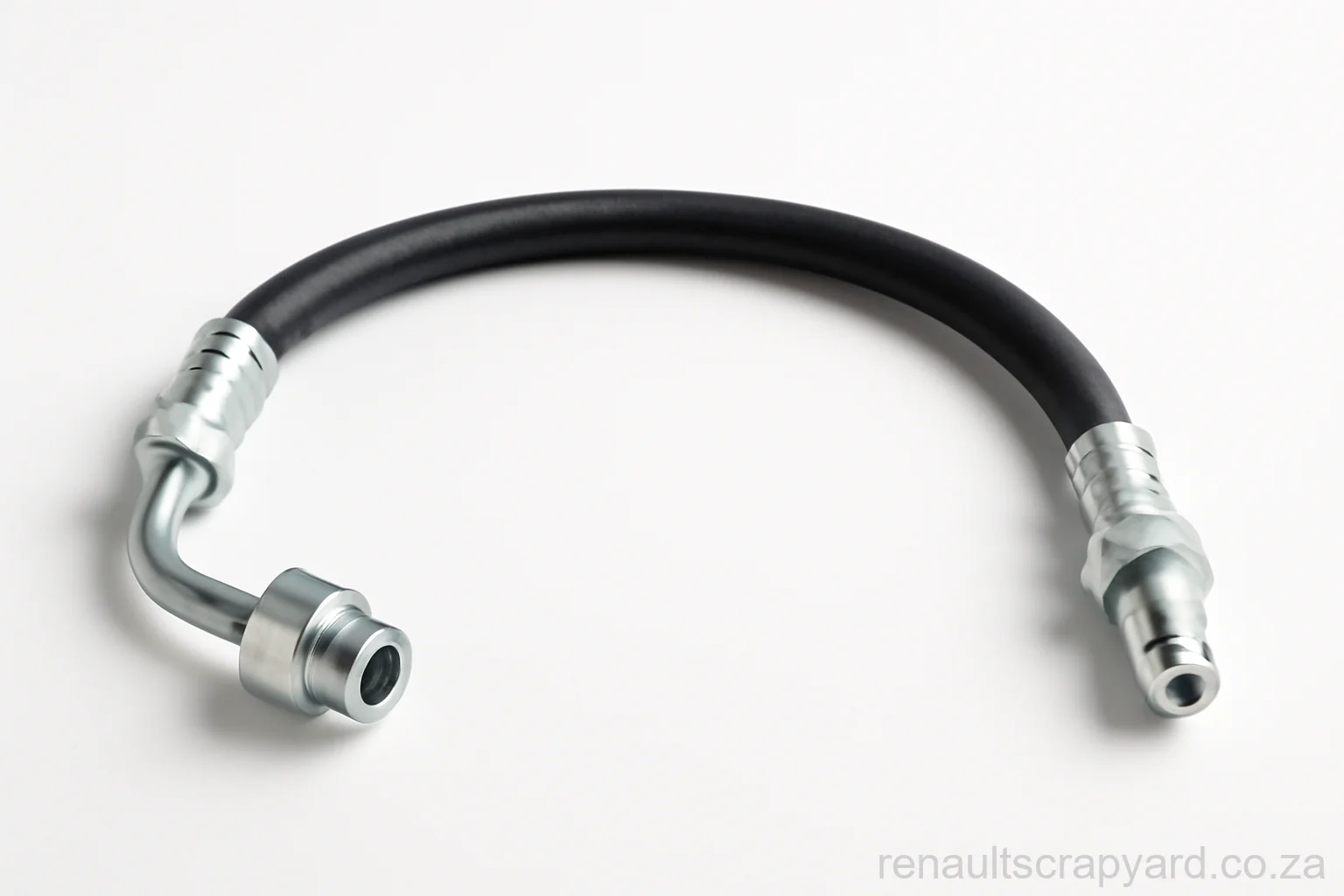
Brake lines are the high-pressure metal tubes and flexible rubber hoses that carry brake fluid from the master cylinder to each wheel's brake caliper or drum on your Volvo. On models like the XC90, S60, and V70, these lines endure extreme pressure (up to 1,500 psi) and South Africa's varying conditions—coastal salt air in Durban, altitude changes to Johannesburg, and temperature extremes. Volvo originally used copper-nickel brake lines on many models for superior corrosion resistance, but aging rubber flex hoses and corroded steel lines on older 240s, 740s, 850s, and first-generation XC70s are common failure points. We supply inspected Volvo 850 brake lines compatible with the 1991-1997 range, with warranty included and nationwide courier delivery.
Part Type
Brake Lines
Fits
Volvo 850
Common Signs You Need a New Brake Lines
Common Questions About Brake Lines
How much do Volvo brake lines cost in South Africa?
Metal brake line sections for models like the S60, V70, or XC90 typically range from R350–R800 per line depending on length and location. Rubber flex hoses cost R250–R600 each, while a full brake line replacement kit for an XC90 D5 or S60 T5 runs R2,500–R4,500 including all hard lines and flex hoses. Labour in Durban or Johannesburg adds R1,200–R2,800 depending on complexity.
Are copper-nickel brake lines better for Volvo vehicles in South Africa?
Yes, copper-nickel (cupro-nickel) brake lines resist corrosion far better than mild steel, making them ideal for coastal conditions in Durban, Cape Town, or humid KwaZulu-Natal where salt accelerates rust on older XC70, V70, and 850 models. Volvo used copper-nickel lines on many models from the factory, and they're the preferred upgrade material for classic 240s, 740s, and 940s. Expect to pay R500–R900 per line for quality cupro-nickel replacements.
How often should brake lines be replaced on a Volvo?
Metal brake lines on Volvos can last 15–20 years in dry inland areas like Johannesburg, but coastal XC90s and S60s in Durban may need replacement every 10–12 years due to salt corrosion. Rubber flex hoses should be inspected every 5 years and replaced every 8–10 years regardless of mileage, as rubber degrades over time on models like the XC60, V40, and C30. Any visible damage, rust perforation, or fluid leaks means immediate replacement is necessary.
Can I replace just one brake line on my Volvo or must I do all of them?
You can replace individual damaged lines—for example, a corroded rear line on an S80 or a leaking flex hose on an XC90 T6—but if one line has failed due to age or corrosion, others are likely deteriorating too. Most mechanics recommend replacing all lines on the same axle or the entire system on high-mileage V70s, S60s, and older XC70s to avoid repeat failures within months. Budget R3,500–R6,000 for a complete system overhaul including labour.
What causes brake lines to fail on Volvo vehicles in South Africa?
Corrosion from road salt, coastal humidity, and moisture trapped against the chassis is the primary cause, particularly affecting older 850s, V70s, and first-generation XC90s in Durban and Cape Town. Rubber flex hoses crack and perish from age, heat from brake calipers on T6 and D5 models, and UV exposure. Stone impacts and road debris can also puncture or dent lines on vehicles frequently driven on gravel roads in rural KwaZulu-Natal or Gauteng.
Helpful Resources
Official Volvo South Africa website with model information, service recommendations, and dealer locations across Durban, Johannesburg, and Cape Town.
Technical overview of hydraulic brake systems, brake fluid dynamics, and brake line materials used in modern vehicles including Volvo's braking technology.
The Automobile Association of South Africa provides brake system maintenance advice, safety checks, and roadworthy inspection requirements for all vehicles.
Need Volvo 850 Brake Lines?
Our specialists will source the exact part you need with fast, nationwide delivery.