

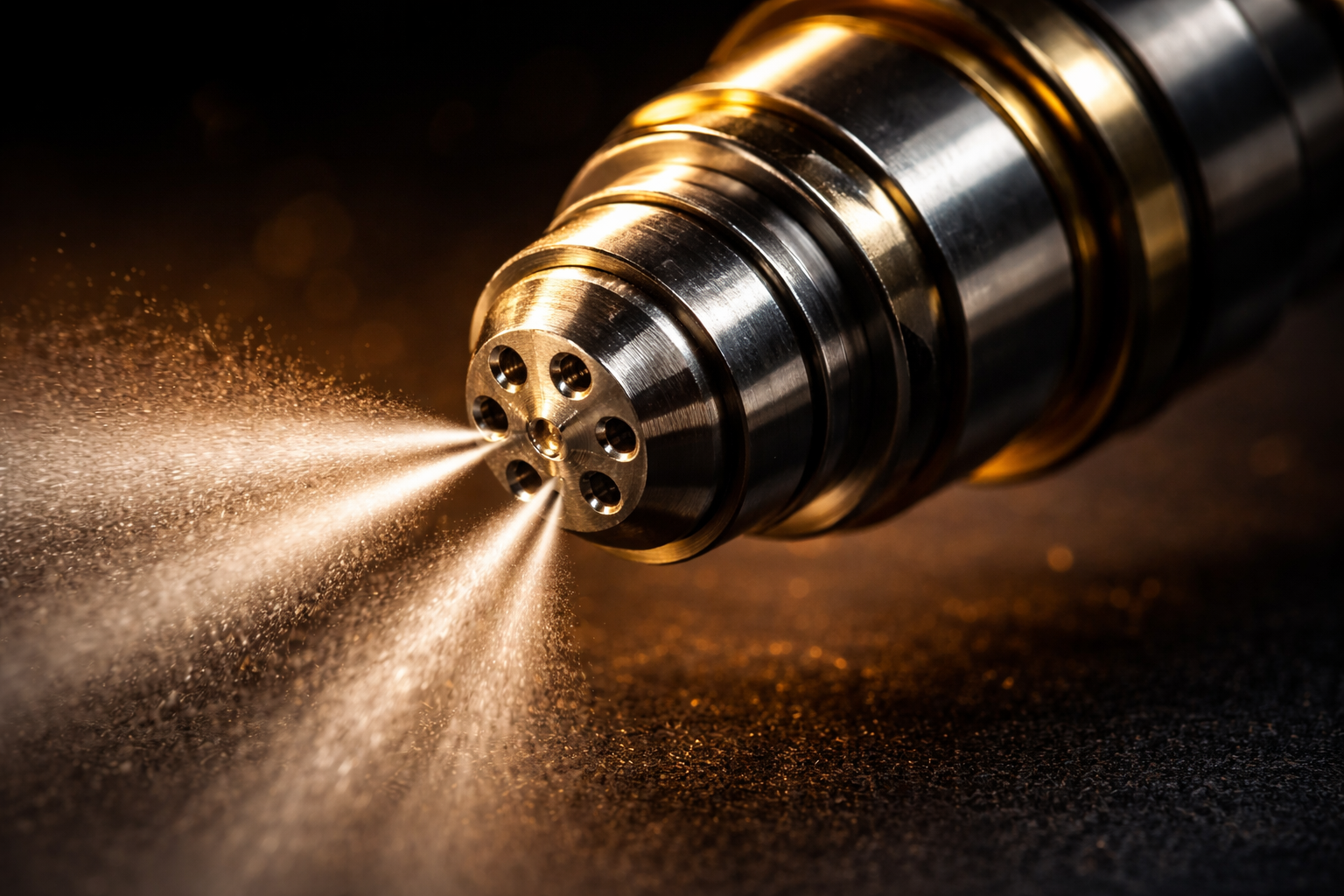
Volvo Fuel System
The fuel system in Volvo vehicles delivers petrol or diesel from the tank to the engine, comprising fuel pumps, injectors, filters, pressure regulators, and lines. Volvo's T5 and T6 turbo engines use high-pressure direct injection systems, while D5 and D4 diesel engines require precise common-rail injection for optimal performance. In South Africa's varied climate—from Durban's humidity to Gauteng's altitude—clean fuel delivery is critical for preventing rough running, especially in models like the XC90, XC60, S60, and V70.
Common Signs You Need New Fuel System
- Difficulty starting the engine, particularly when cold or after the vehicle has been parked for extended periods.
- Rough idling, hesitation during acceleration, or engine misfires indicating fuel delivery issues or clogged injectors.
- Noticeable drop in fuel economy or the fuel gauge behaving erratically.
- Strong smell of petrol or diesel around the vehicle, suggesting fuel leaks from lines, seals, or the tank.
- Check engine light illuminated with fault codes related to fuel pressure, injector performance, or oxygen sensors.
- Whining or buzzing noise from the fuel tank area indicating a failing fuel pump, common in higher-mileage XC90s and V70s.
Maintenance Tips
Regular maintenance helps extend the life of your Volvo fuel system components.
Replace the fuel filter at the recommended service interval to ensure clean fuel delivery
Use quality fuel and consider a fuel system cleaner periodically to keep injectors in optimal condition
Ensure the fuel cap seals properly to prevent evaporative emission system faults
Fuel System Subcategories


About Volvo Fuel System
About Volvo Fuel System
The fuel system stores, filters, and delivers fuel from the tank to the engine at the correct pressure and volume. Modern fuel-injected engines use an electric fuel pump inside the tank, a fuel filter, fuel rail, and electronically controlled injectors that spray precise amounts of fuel into each cylinder. The engine control unit (ECU) calculates the optimal fuel quantity and injection timing based on sensor inputs including airflow, throttle position, engine speed, and exhaust oxygen levels.
Volvo was an early adopter of Bosch electronic fuel injection. Modern Volvo direct-injection engines (GDI) require high-pressure fuel pumps and precision injectors. Fuel pump failures on older models (850, S70, V70) are a known service item.
Key Components
- Fuel pump (in-tank electric pump) and fuel pressure regulator
- Fuel injectors and fuel rail
- Fuel filter and fuel lines
- Throttle body and idle air control valve
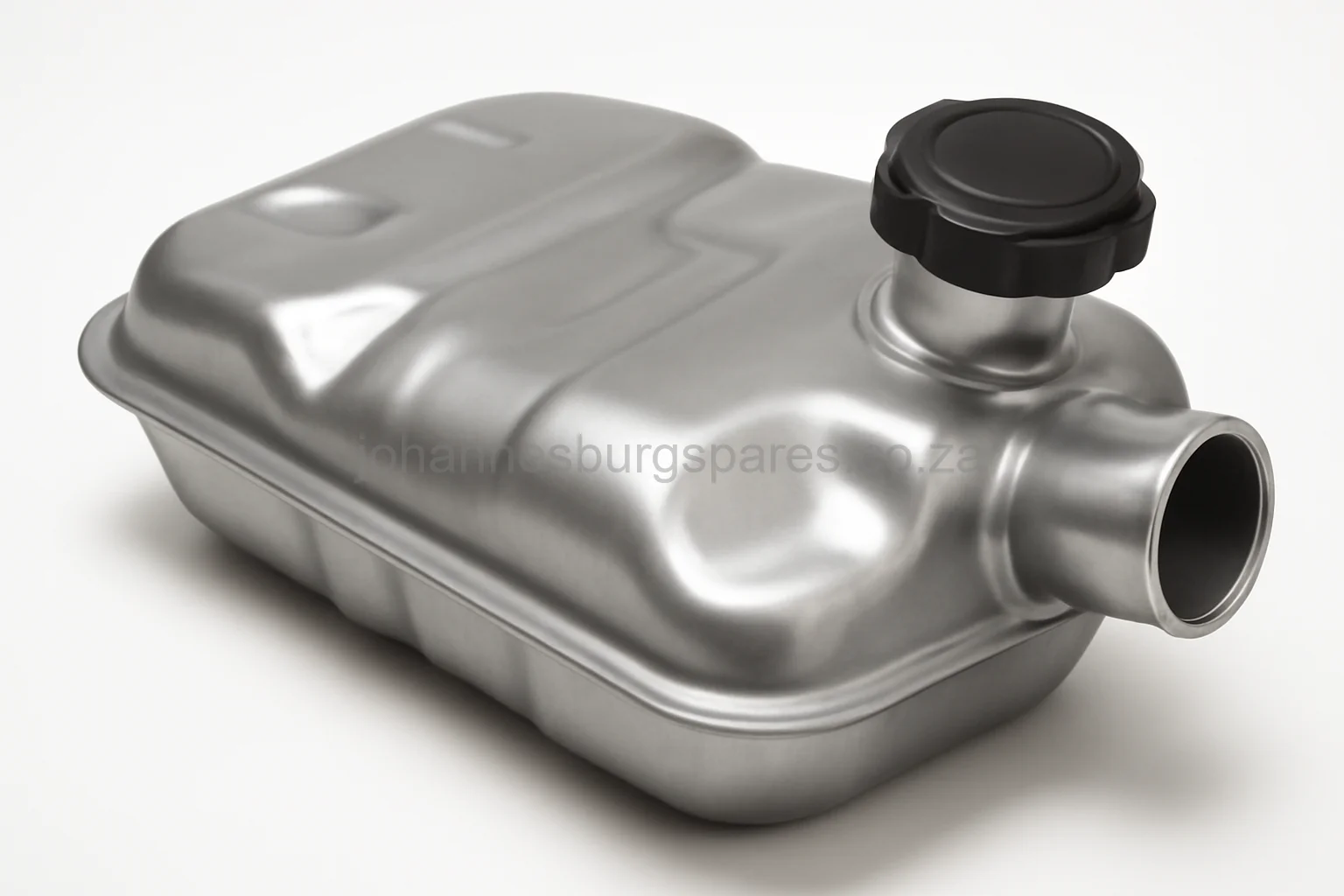
- Fuel tank, filler cap, and evaporative emission (EVAP) system
How much does a fuel pump replacement cost for a Volvo XC90 or XC60 in South Africa?
Fuel pumps for XC90 and XC60 models typically range from R2,500–R4,500 depending on whether it's a T5, T6, or D5 engine. Labour adds another R1,200–R2,000, as the pump sits inside the tank and requires careful removal. Earlier XC90s (2002–2014) often experience pump failures after 150,000 km.
What causes fuel injector problems in Volvo T5 and T6 engines?
South African fuel quality variations and carbon buildup are common culprits, particularly in direct-injection T5 and T6 engines found in S60, V60, and XC60 models. Symptoms include rough idling, misfires, and poor fuel economy. Injector replacement costs R1,800–R3,200 each, though cleaning services (R800–R1,500 for a set) can resolve minor issues.
How often should I replace the fuel filter on a Volvo D5 diesel?
Volvo recommends fuel filter replacement every 30,000–40,000 km for D5 diesel engines in XC90, XC60, and V70 models to prevent injector damage from contaminated fuel. Filters cost R450–R850, and neglecting replacement can lead to expensive injector failures costing R15,000+ for a full set. Always use quality filters with South Africa's variable diesel quality.
Are fuel system parts readily available for older Volvo models like the 850, S60 (first gen), or V70 in South Africa?
Yes, fuel pumps, filters, injectors, and pressure regulators for 850, first-gen S60 (2000–2009), and V70 (1997–2016) are commonly stocked by independent suppliers in Durban, Johannesburg, and Cape Town. Prices are generally affordable—fuel pumps R1,800–R3,200, filters R300–R650—making these models economical to maintain.
What causes a petrol smell inside my Volvo S60 or V40?
Fuel line leaks, deteriorated rubber hoses, or faulty fuel pressure regulators are common causes, particularly in older S60 (2000–2009) and V40 models. This is a safety hazard requiring immediate inspection. Fuel line replacement costs R800–R1,800 depending on location, while pressure regulators run R1,200–R2,200.
Helpful Resources
Official Volvo South Africa website with model specifications, service information, and dealer locations.
AA South Africa provides guidance on fuel quality standards and vehicle maintenance advice relevant to local conditions.
Technical overview of fuel injection technology used in modern Volvo petrol and diesel engines.