




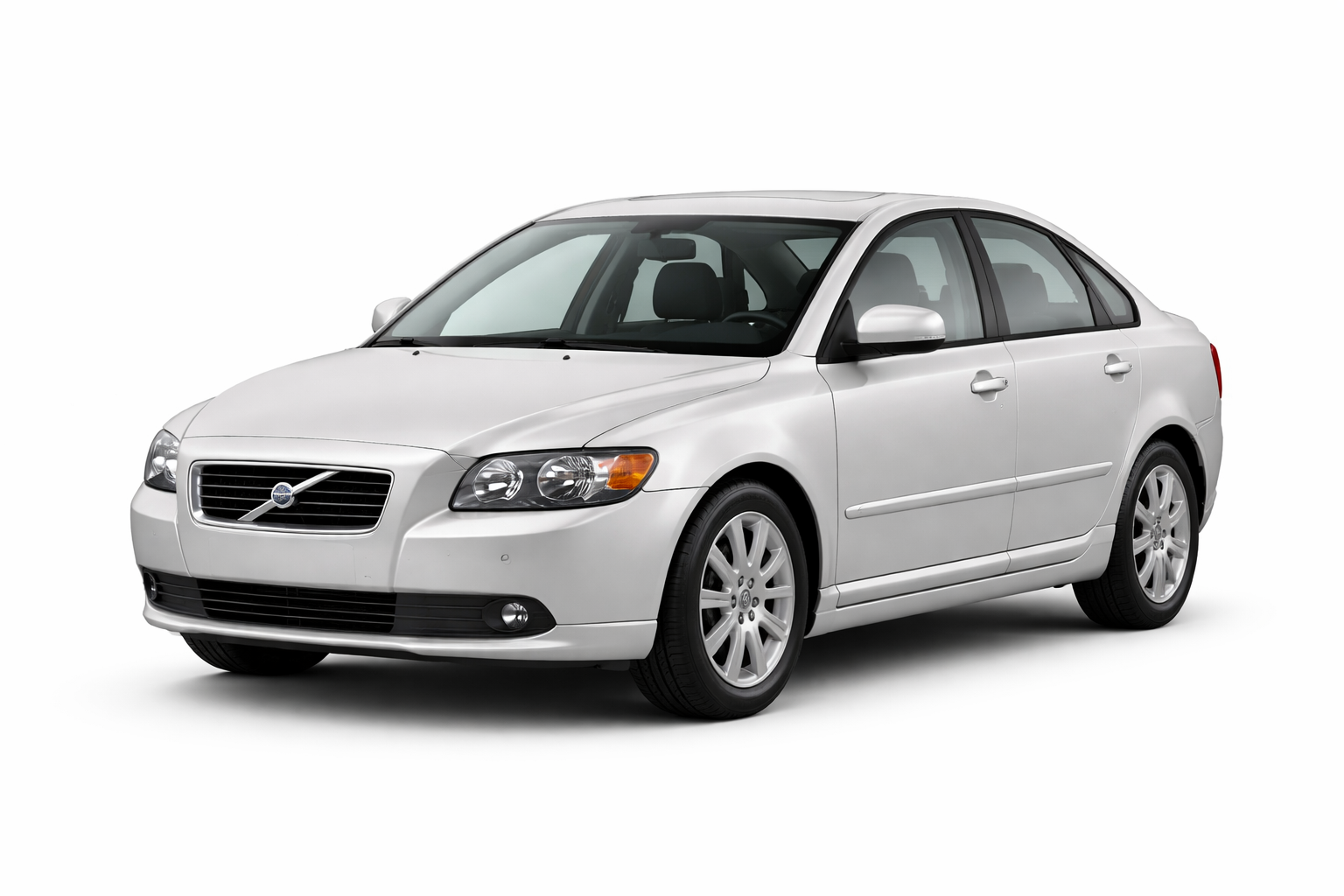
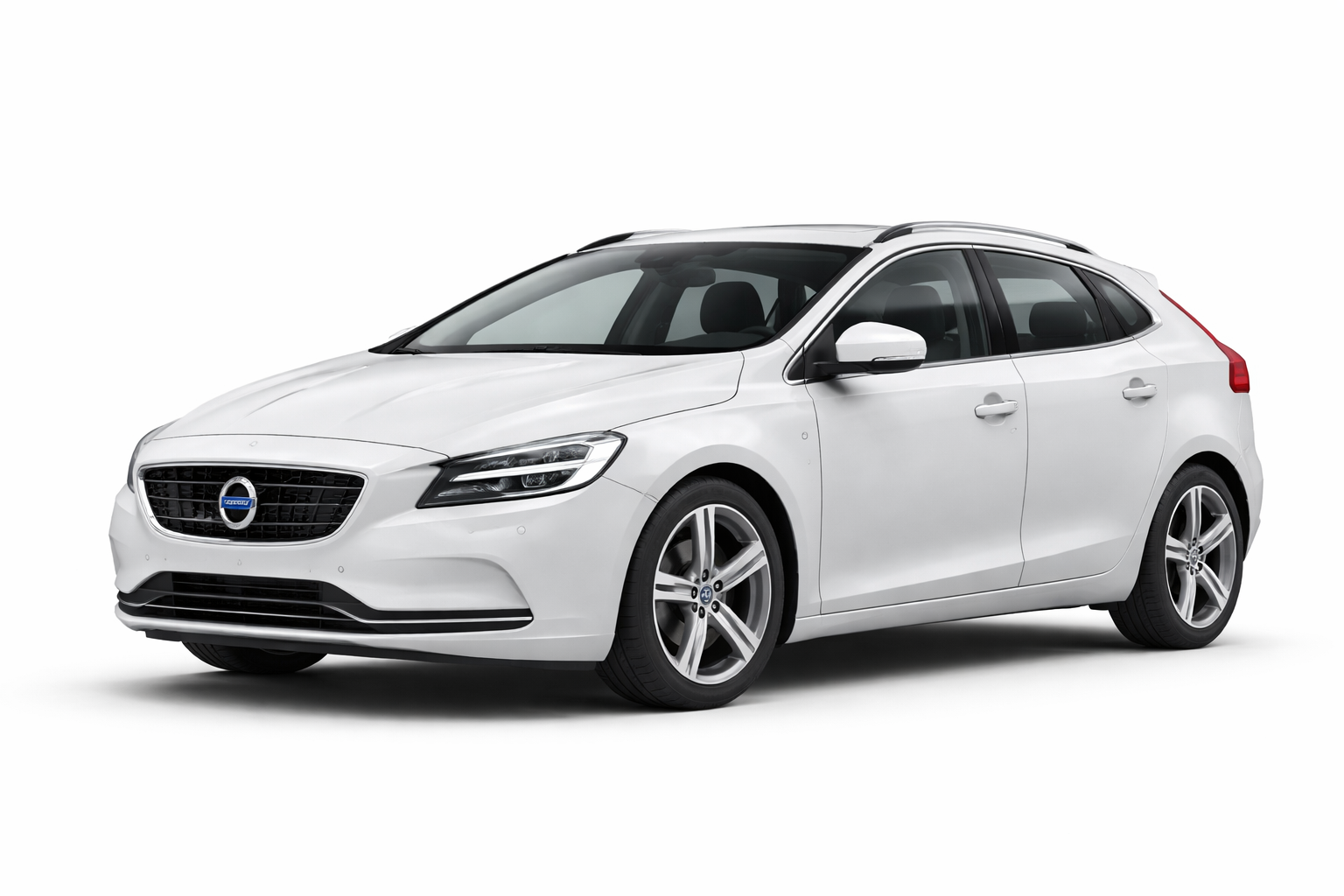
Volvo V40 Heat Shields
Heat shields are metal protective barriers mounted around exhaust components (catalytic converters, manifolds, downpipes) to prevent excessive heat transfer to the undercarriage, fuel lines, and cabin floor. Volvo models like the XC90, XC60, S60, and V70 use multiple heat shields throughout the exhaust system, particularly critical on turbo engines (T5, T6, D5) where exhaust temperatures exceed 800°C. In South African conditions with dry grass and debris accumulation under vehicles, intact heat shields are essential fire prevention components. We supply inspected Volvo V40 heat shields compatible with the 2012-2019 range, with warranty included and nationwide courier delivery.

Part Type
Heat Shields
Fits
Volvo V40
Common Signs You Need a New Heat Shields
Common Questions About Heat Shields
Can I drive my XC90 with a missing or rattling heat shield?
You should not drive with a missing fuel tank or catalytic converter heat shield—it creates serious fire risk from overheated fuel and can damage nearby components like brake lines and wiring. A rattling shield should be reattached or replaced immediately to prevent it from falling off. Replacement heat shields for XC90/XC60 models typically cost R800–R2,500 depending on location (manifold, cat, fuel tank).
How much does it cost to replace a Volvo catalytic converter heat shield?
Catalytic converter heat shields for S60, V70, and XC90 models typically cost R1,200–R2,800 for the part, with fitting adding R500–R1,200 depending on accessibility. Turbo models (T5/T6/D5) often have multiple shields, so confirm which specific shield needs replacement. Sometimes loose shields just need new mounting brackets or clamps (R200–R600) rather than full replacement.
Can a Volvo heat shield be repaired instead of replaced?
Yes, many heat shields can be repaired if they're just loose or have minor corrosion—mechanics can reattach them using heat-resistant clamps, new brackets, or stainless steel bolts for R300–R800. If the shield is severely rusted, cracked, or has large holes (common on older V70/S60/XC70 models), replacement is necessary for proper protection. DIY fixes using hose clamps work temporarily but aren't recommended for high-heat areas near turbos or catalytic converters.
Why do Volvo heat shields rust and fall off so quickly in South Africa?
Heat shields endure extreme temperature cycling (cold to 800°C+) combined with road salt in coastal areas like Durban and Cape Town, causing accelerated corrosion of the thin steel material. Moisture, mud, and debris trapped against the shields—especially on XC models driven off-road—create rust spots that spread quickly. Older Volvos (pre-2010 V70, S60, XC90) used thinner gauge steel that's particularly prone to rust-through after 100,000–150,000 km.
Are aftermarket heat shields suitable for Volvo turbo engines?
Quality aftermarket heat shields work fine for most applications and cost 30–50% less than OEM (R600–R1,800 vs R1,500–R3,200), but ensure they're heat-rated for turbo temperatures if protecting T5/T6/D5 engines. Universal catalytic converter shields are available but may require custom fitting—OEM-spec replacements guarantee proper fit and coverage. Avoid cheap uncoated steel shields that will rust through within 12–24 months.
Helpful Resources
Official Volvo South Africa website with model specifications and authorized service center locations
Technical overview of automotive heat shield design, materials, and function
Automobile Association of South Africa resources for vehicle safety and maintenance guidance

Need Volvo V40 Heat Shields?
Our specialists will source the exact part you need with fast, nationwide delivery.