



2002-present

Volvo XC90 Coolant Reservoirs Parts

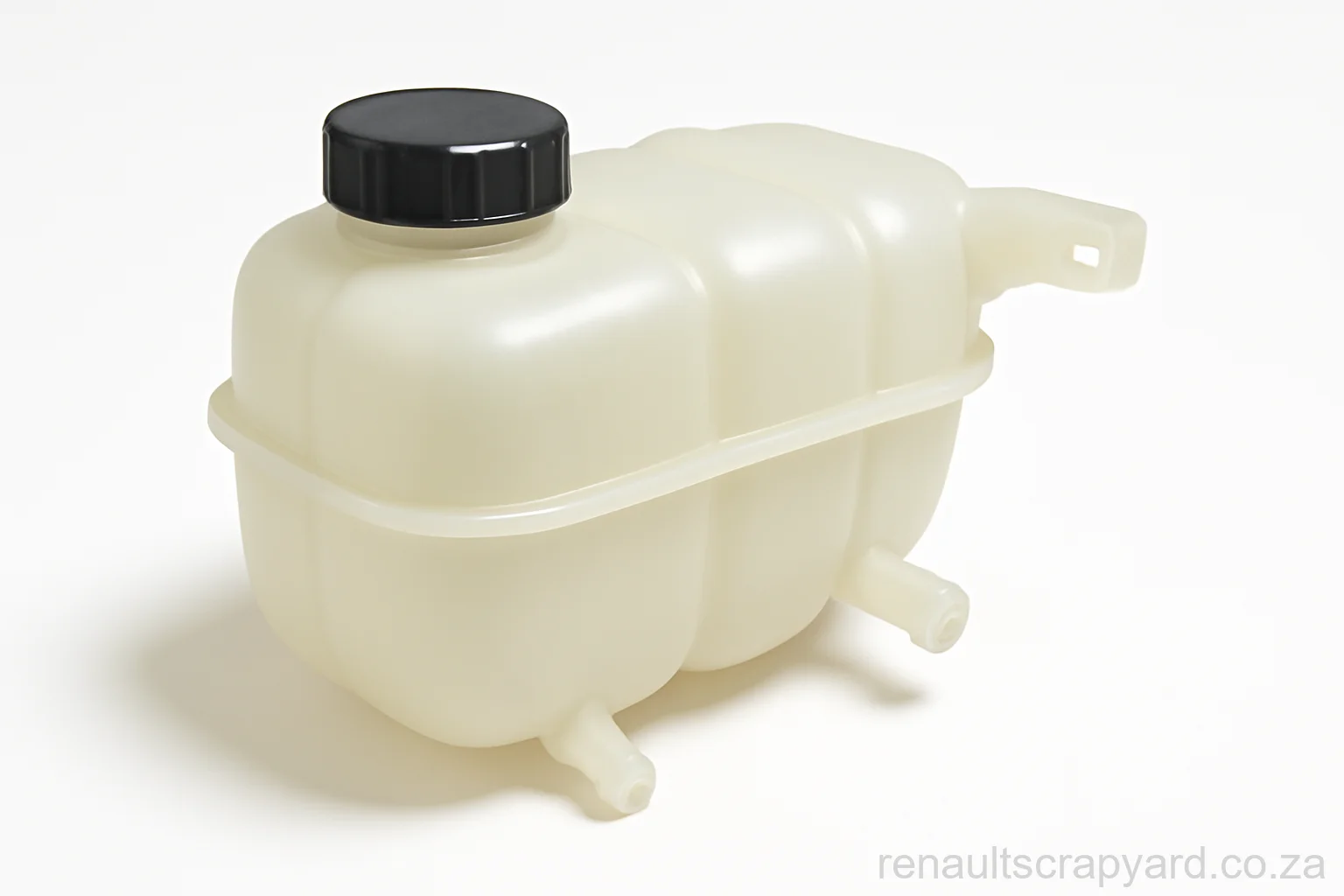
The coolant reservoir (or expansion tank) is a translucent plastic container mounted in the engine bay that stores excess coolant and allows for thermal expansion. On Volvo models like the XC90, S60, and V70, these reservoirs also house the coolant level sensor and pressure cap, making them critical for monitoring system health. In South Africa's hot climate, particularly in Durban and inland areas, a cracked or leaking reservoir can lead to rapid overheating and engine damage.

Call Us

Common Signs You Need New Coolant Reservoirs Parts

  • Visible cracks or stress marks on the plastic reservoir body, especially around mounting points or seams
  • Coolant puddles under the vehicle after parking, typically beneath the front-right area of the engine bay
  • Low coolant warning light on the dashboard even after topping up the system
  • Sweet smell of coolant inside the cabin or around the engine bay, indicating evaporation from a crack
  • Coolant level dropping noticeably over a few days despite no visible external leaks
  • Reservoir appears discoloured, cloudy, or brittle due to age and heat cycling

Maintenance Tips

1

Replace coolant at the manufacturer-recommended interval using the correct specification antifreeze for your Volvo

2

Inspect coolant hoses and the radiator for leaks, cracks, or swelling during routine servicing

3

Never open the coolant expansion tank cap when the engine is hot to avoid scalding

About Volvo XC90 Coolant Reservoirs Parts

Technical Overview

The engine cooling system maintains optimal operating temperature by circulating coolant through passages in the engine block and cylinder head, then dissipating heat through the radiator. The system is pressurised to raise the coolant boiling point and uses a thermostat to regulate flow. An engine-driven or electric cooling fan provides additional airflow at low speeds. The heater core, a secondary heat exchanger, uses hot coolant to warm the cabin interior.

Volvo five-cylinder and inline-six engines are known for their cooling system demands. The plastic expansion tank and associated fittings are common failure points on models like the S60, V70, and XC90. Volvo recommends specific long-life coolant that should not be mixed with other types.

Key Components
  • Radiator and expansion tank (coolant reservoir)
  • Water pump and thermostat
  • Cooling fan and fan clutch or electric fan motor
  • Heater core and heater control valve
  • Coolant hoses, clamps, and temperature sensors
Where is the coolant reservoir located on Volvo XC90 and XC60 models?

On most XC90 (2002-2014) and XC60 models, the coolant reservoir is located on the passenger side (right) of the engine bay, near the front. You'll see a translucent plastic tank with a black cap marked with coolant warning symbols—pinch the tab and slide the cap to access.

How much does a replacement coolant reservoir cost for a Volvo S60 or V70?

A genuine or quality aftermarket coolant reservoir for S60, V70, or XC70 models typically costs R800–R1,800 depending on the year and whether it includes the cap and sensor. Older P2 platform models (2000-2009) generally use the same reservoir design across the range.

Do Volvo T5 and D5 engines use the same coolant reservoir?

Many models share the same reservoir—for example, the P2 platform S60, V70, and XC90 use identical expansion tanks regardless of whether they have a T5 petrol or D5 diesel engine. However, newer SPA platform models (2016+) may have different part numbers, so always verify your VIN or engine code.

Can I drive my Volvo with a cracked coolant reservoir?

No, driving with a cracked reservoir risks severe overheating and engine damage, especially in South African heat. Even a small crack can cause rapid coolant loss and air to enter the system, leading to hotspots and potential head gasket failure—replace it immediately.

Nationwide Delivery All 9 provinces
Warranty Included All parts covered
Quality Tested Every part inspected
Phone Support Quick responses

Common Questions About Coolant Reservoirs Parts

Where is the coolant reservoir located on Volvo XC90 and XC60 models?

On most XC90 (2002-2014) and XC60 models, the coolant reservoir is located on the passenger side (right) of the engine bay, near the front. You'll see a translucent plastic tank with a black cap marked with coolant warning symbols—pinch the tab and slide the cap to access.

How much does a replacement coolant reservoir cost for a Volvo S60 or V70?

A genuine or quality aftermarket coolant reservoir for S60, V70, or XC70 models typically costs R800–R1,800 depending on the year and whether it includes the cap and sensor. Older P2 platform models (2000-2009) generally use the same reservoir design across the range.

Do Volvo T5 and D5 engines use the same coolant reservoir?

Many models share the same reservoir—for example, the P2 platform S60, V70, and XC90 use identical expansion tanks regardless of whether they have a T5 petrol or D5 diesel engine. However, newer SPA platform models (2016+) may have different part numbers, so always verify your VIN or engine code.

Can I drive my Volvo with a cracked coolant reservoir?

No, driving with a cracked reservoir risks severe overheating and engine damage, especially in South African heat. Even a small crack can cause rapid coolant loss and air to enter the system, leading to hotspots and potential head gasket failure—replace it immediately.

What Volvo coolant should I use when replacing the reservoir?

Volvo specifies their own long-life coolant (part number 31439496 or similar) which is a purple/pink ethylene glycol-based formula. Using incorrect coolant can damage seals and sensors, so stick to genuine Volvo coolant or a confirmed compatible product available at major SA auto parts retailers.

Need Volvo XC90 Coolant Reservoirs Parts?

Our specialists will source the exact part you need with fast, nationwide delivery.

Call Us