




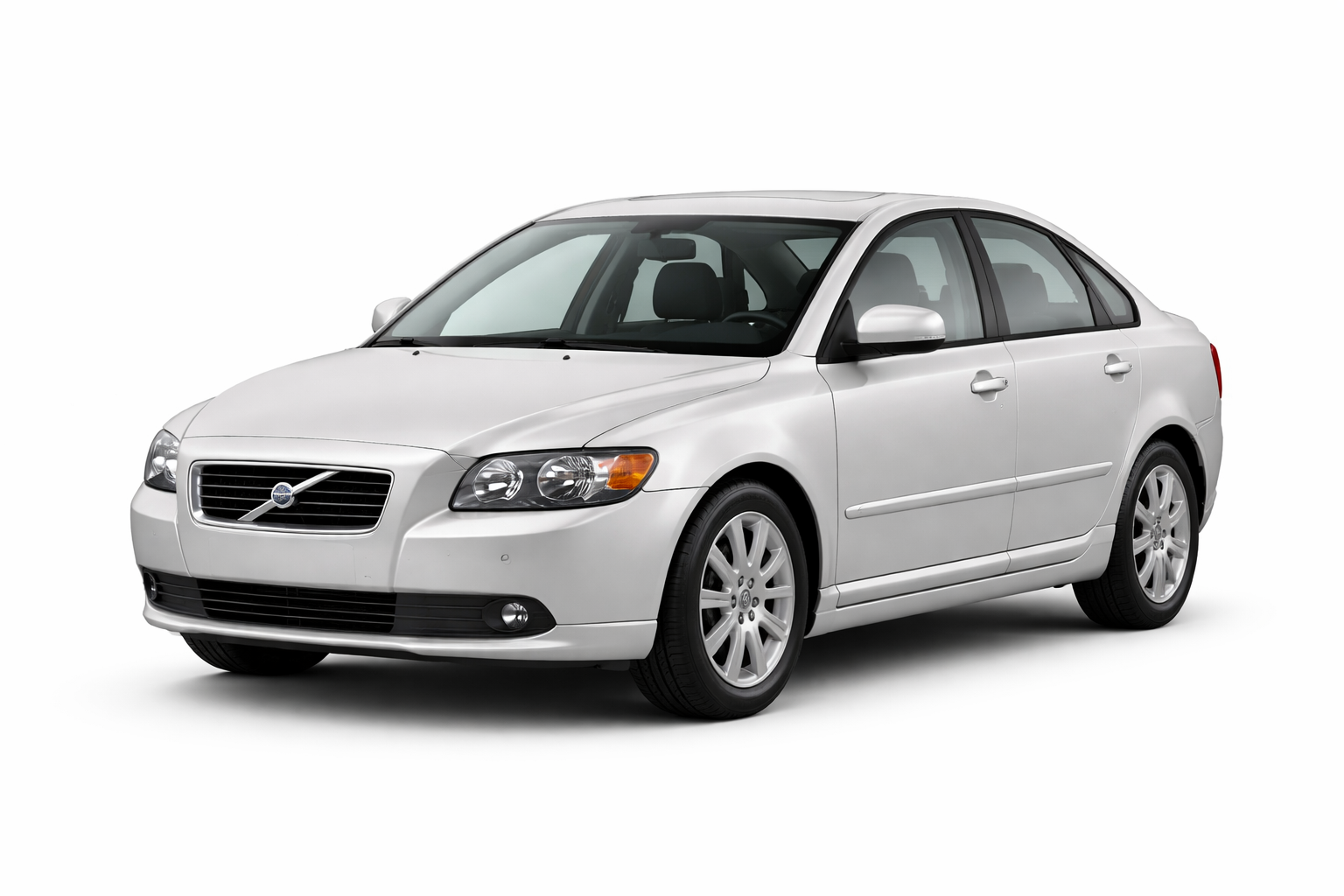
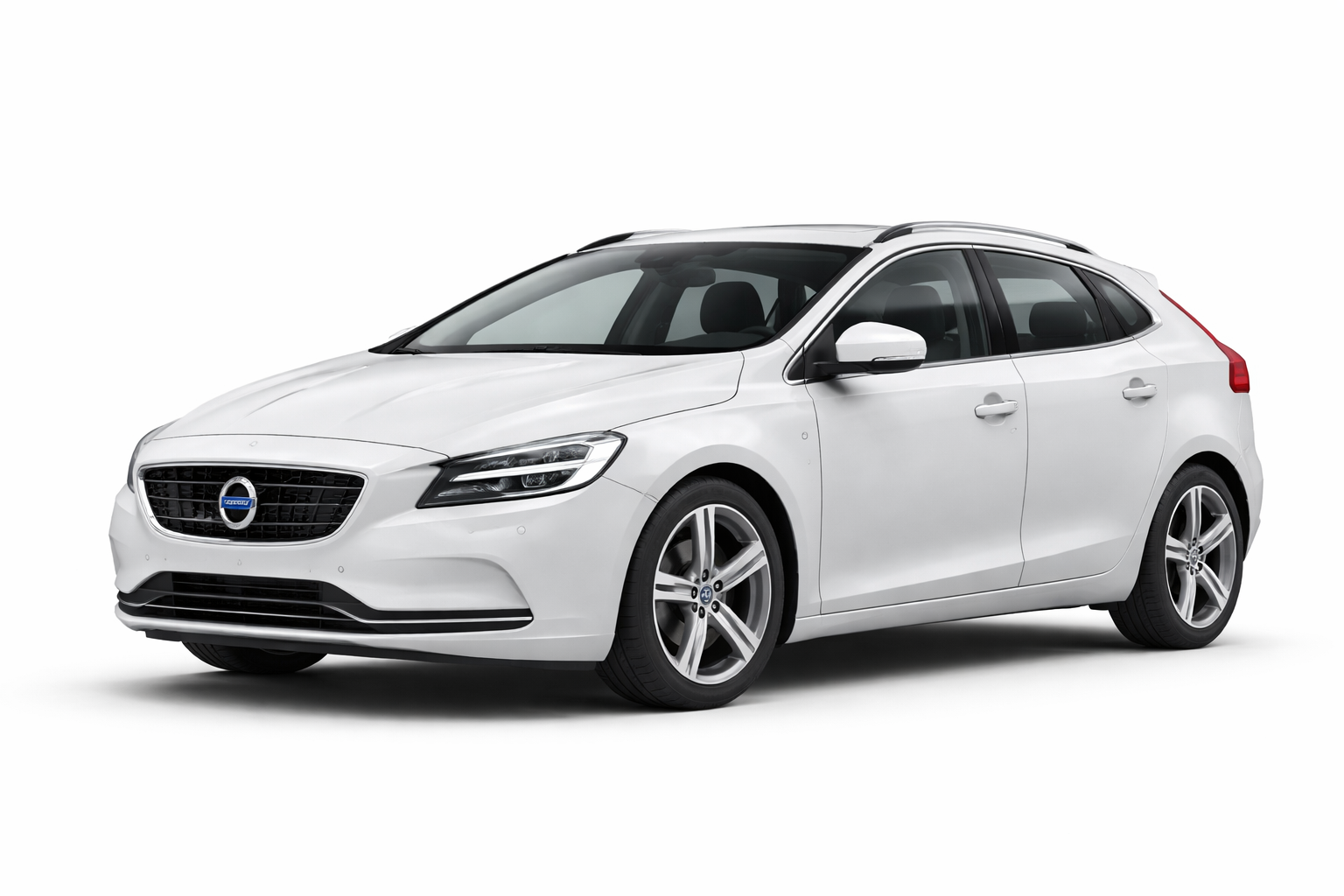
Volvo Engine Bearings Parts
Engine bearings are precision metal shells that sit between the crankshaft and engine block, providing a low-friction surface that allows the crankshaft to rotate smoothly while supporting enormous loads. In Volvo engines like the T5, D5, and T6 units found in XC90s, S60s, and V70s, these bearings handle extreme pressure and rely on a constant oil film for protection. South African driving conditions—particularly stop-start city traffic in Durban and Johannesburg, plus extended highway runs—place significant demands on bearing longevity, making regular oil changes with the correct specification absolutely critical.
Common Signs You Need New Engine Bearings Parts
- A distinct knocking or rumbling noise from deep in the engine that increases with RPM, particularly noticeable on cold starts in your XC60 or S60.
- Low oil pressure warning light illuminating on the dashboard, especially at idle or when the engine is hot after highway driving.
- Metallic rattling sound that worsens under acceleration or load, such as when climbing Durban's hills or overtaking on the N3.
- Engine running noticeably hotter than normal, with temperature gauge reading higher during typical driving conditions.
- Visible metal shavings or glitter in the engine oil when checking the dipstick or during an oil change.
- Sudden loss of power or rough running, accompanied by unusual vibrations through the engine bay that weren't present before.
Maintenance Tips
Regular maintenance helps extend the life of your Volvo engine bearings components.
Follow the manufacturer-recommended oil change intervals using the correct oil specification for your Volvo engine
Replace the timing belt or chain at the specified service interval to prevent catastrophic engine damage
Address any unusual engine noises or warning lights promptly to avoid further damage
About Volvo Engine Bearings Parts
About Volvo Engine Bearings Parts
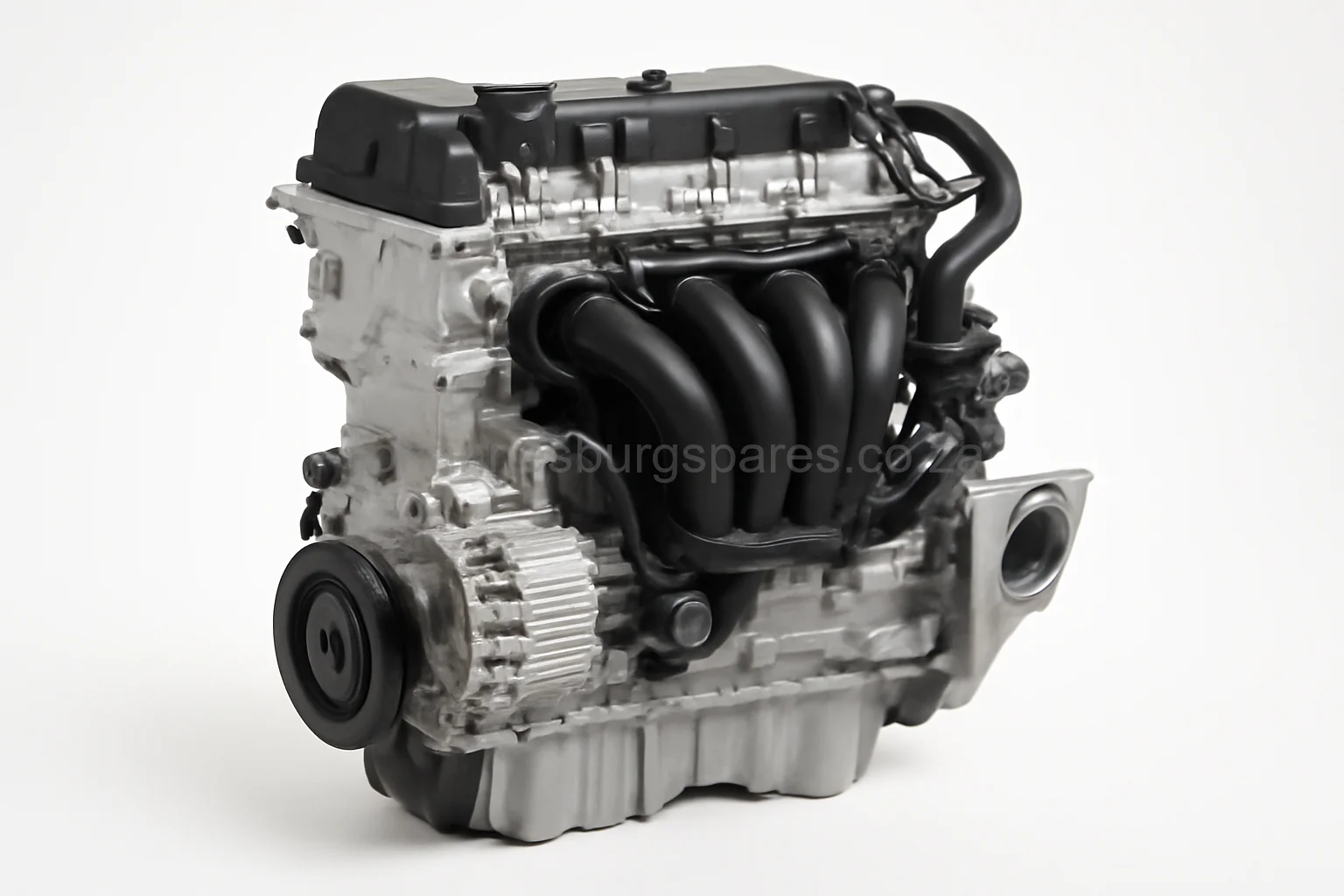
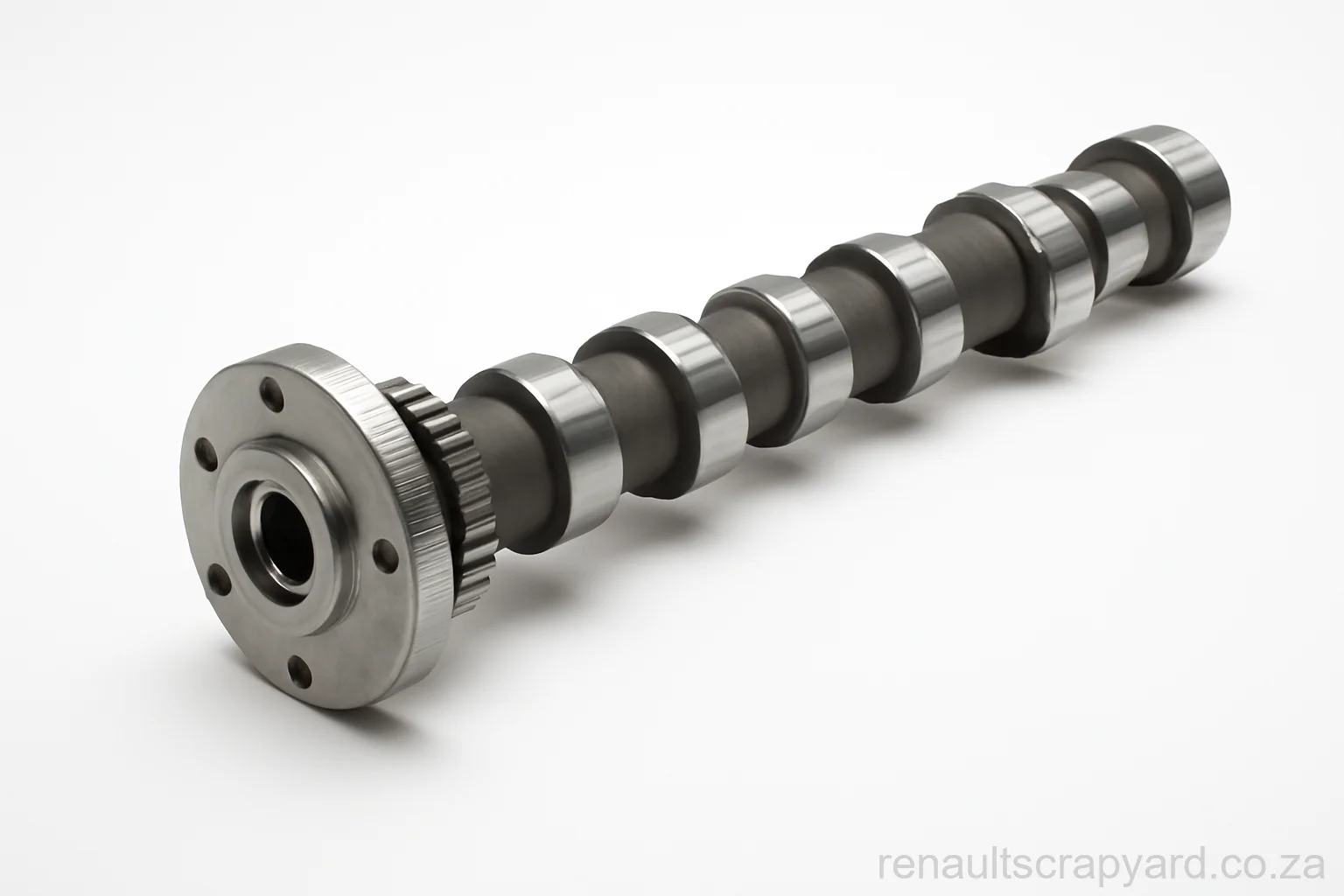
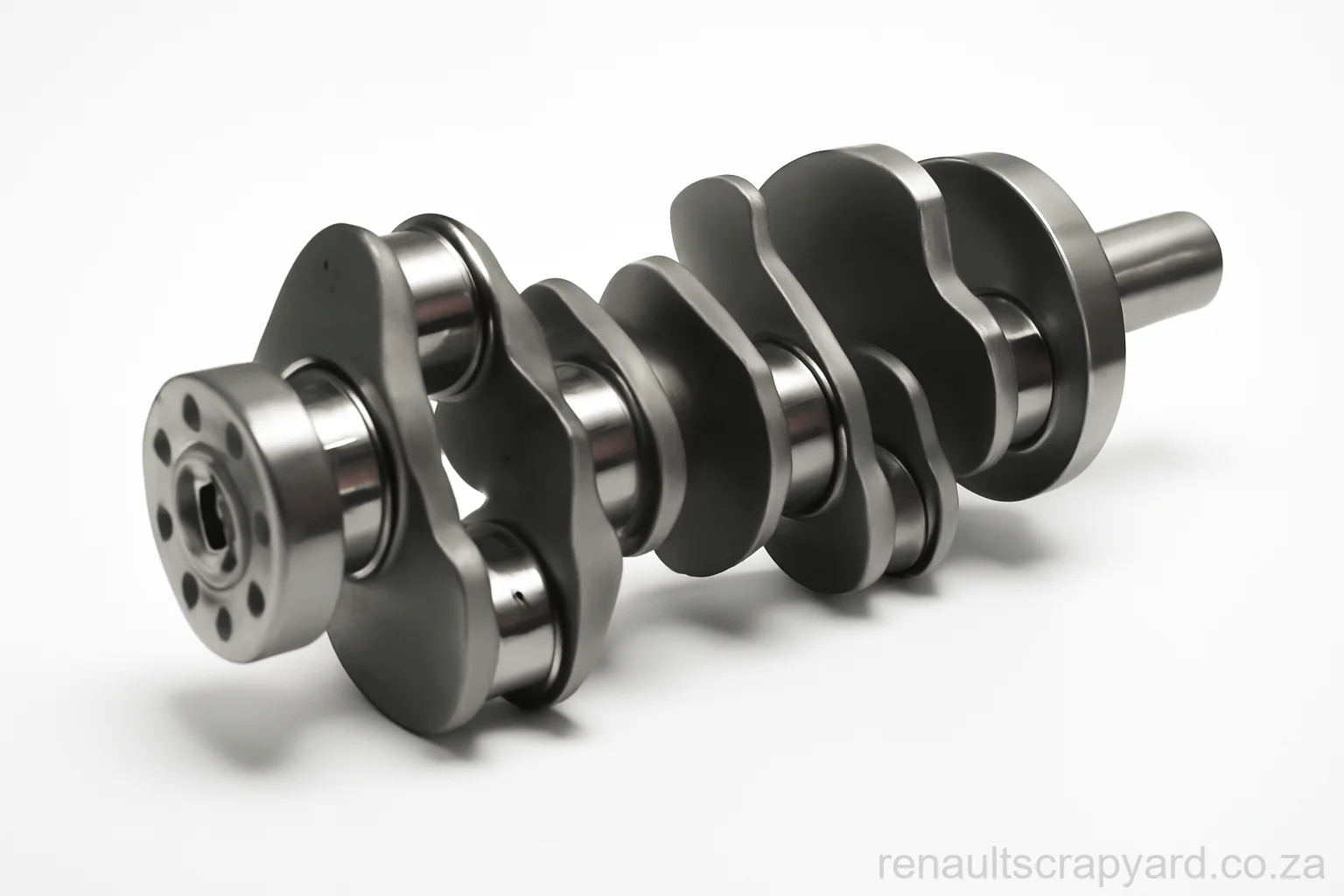
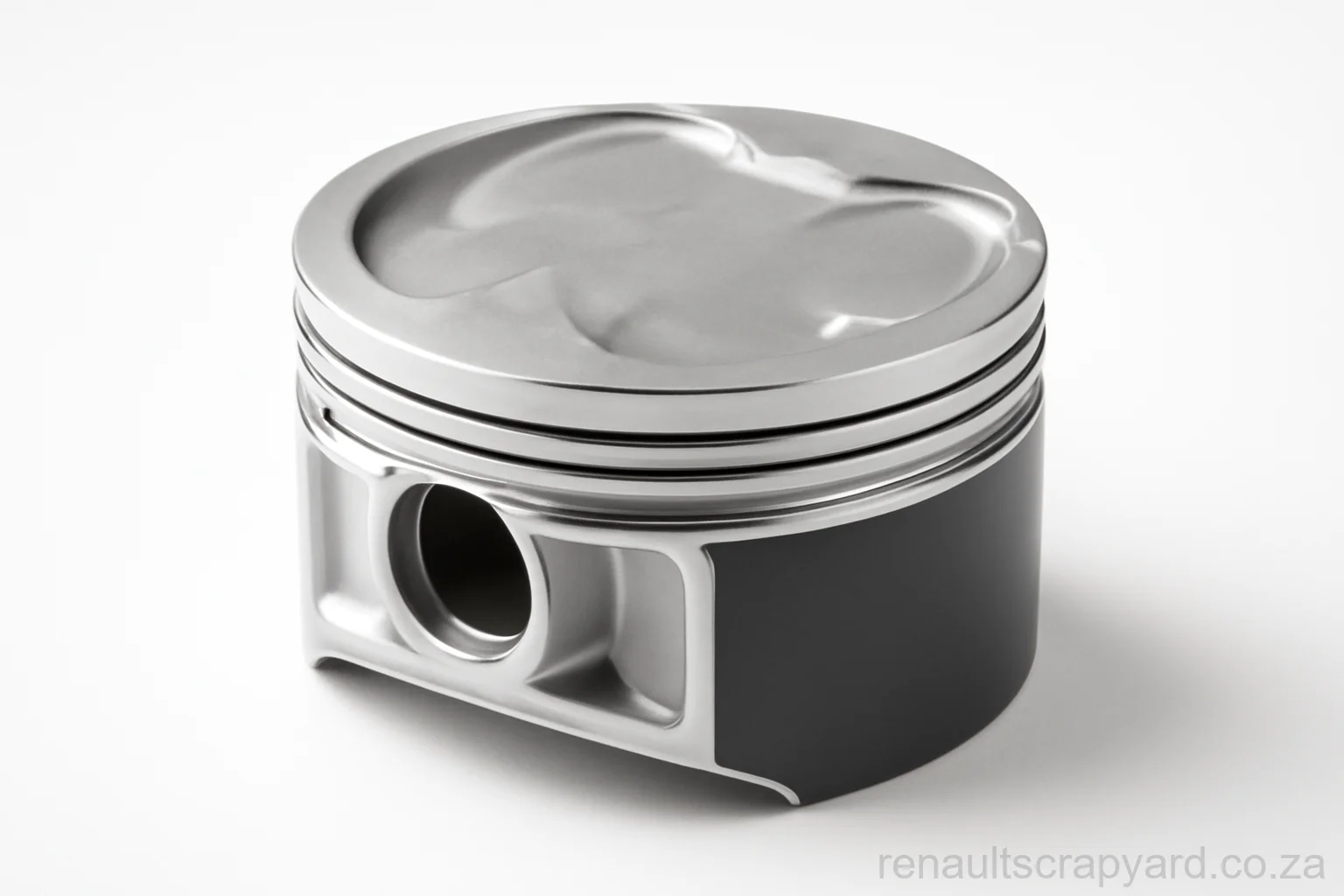
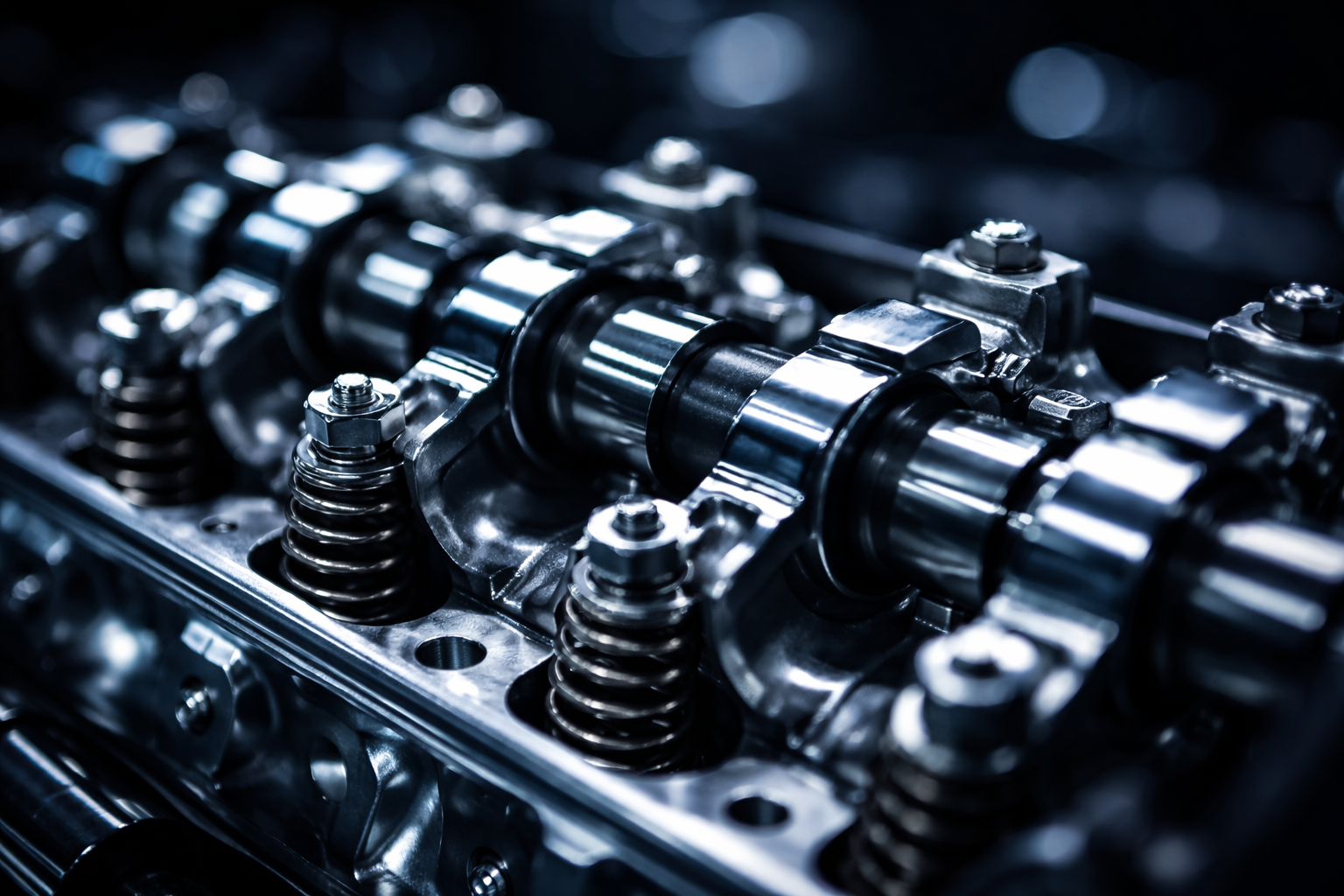
The internal combustion engine converts fuel into mechanical energy through controlled combustion within cylinders. Key reciprocating components include pistons, connecting rods, and the crankshaft, while the cylinder head houses valves controlled by one or more camshafts. The timing system synchronises valve operation with piston movement. Modern engines rely on precise tolerances and advanced materials to deliver power efficiently while meeting emission standards.
Volvo engines, including the modular T5, T6, and D5 families, are known for their durability when properly maintained. The newer Drive-E four-cylinder engines (T5/T6/T8) use both turbocharging and supercharging for optimal power delivery.
Key Components
- Pistons, piston rings, and connecting rods
- Crankshaft and main bearings
- Camshaft(s) and timing belt or chain assembly
- Cylinder head gasket and valve train
- Oil pump and lubrication system
How much does it cost to replace engine bearings on a Volvo in South Africa?
Engine bearing replacement is labour-intensive and typically costs R18,000–R35,000 including parts and machining for models like the XC90, S60, or V70, as it requires full engine disassembly. Main bearing sets for common T5 and D5 engines cost R3,500–R6,500, with big-end bearings around R2,800–R4,500, but labour accounts for most of the total bill. If crankshaft machining is needed due to scoring, add another R4,000–R8,000 to the total cost.
Is it worth replacing engine bearings or should I just get a replacement engine?
If caught early with minimal crankshaft damage, bearing replacement on engines like the T5 or D5 is worthwhile and can extend engine life by 150,000+ km. However, if the crankshaft journals are severely scored or the block is damaged, a good used engine (R25,000–R45,000 for XC90/S60 units) often makes more financial sense than a full rebuild. We can inspect your engine and advise on the most cost-effective solution based on the actual wear condition.
Can I still drive my Volvo XC60 with bad engine bearings?
No—driving with worn bearings will cause catastrophic engine failure, often within hours or even minutes of serious knocking starting. The increased friction generates metal debris that contaminates the entire oiling system, damaging camshafts, cylinder walls, and potentially destroying the engine beyond economical repair. If you hear knocking or see low oil pressure warnings, stop driving immediately and have the vehicle towed.
What causes engine bearings to fail in Volvo T5 and D5 engines?
The most common cause is inadequate lubrication from delayed oil changes, using incorrect oil specifications, or running low on oil between services. Volvo's turbocharged engines like the T5 and D5 are particularly sensitive to oil quality, and South African heat accelerates oil breakdown. Other causes include oil pump failure, blocked oil passages, coolant contamination from head gasket issues, or simply high mileage wear on engines exceeding 250,000 km.
How long do Volvo engine bearings typically last?
With proper maintenance and quality oil changes every 10,000–15,000 km, Volvo engine bearings in T5, T6, and D5 engines should last 300,000+ km under normal conditions. However, neglected oil changes, aggressive driving, or running the engine low on oil can reduce bearing life to under 150,000 km. Regular oil analysis and maintaining correct oil levels are the best ways to maximize bearing longevity in South African conditions.
You May Also Need

Helpful Resources
Official Volvo South Africa website with service information and specifications
Technical explanation of plain bearing design and operation principles
Vehicle maintenance advice and motoring resources for South African drivers

Need Volvo Engine Bearings Parts?
Quality-tested parts, warranty included, nationwide delivery.